




What Are AI Factories?
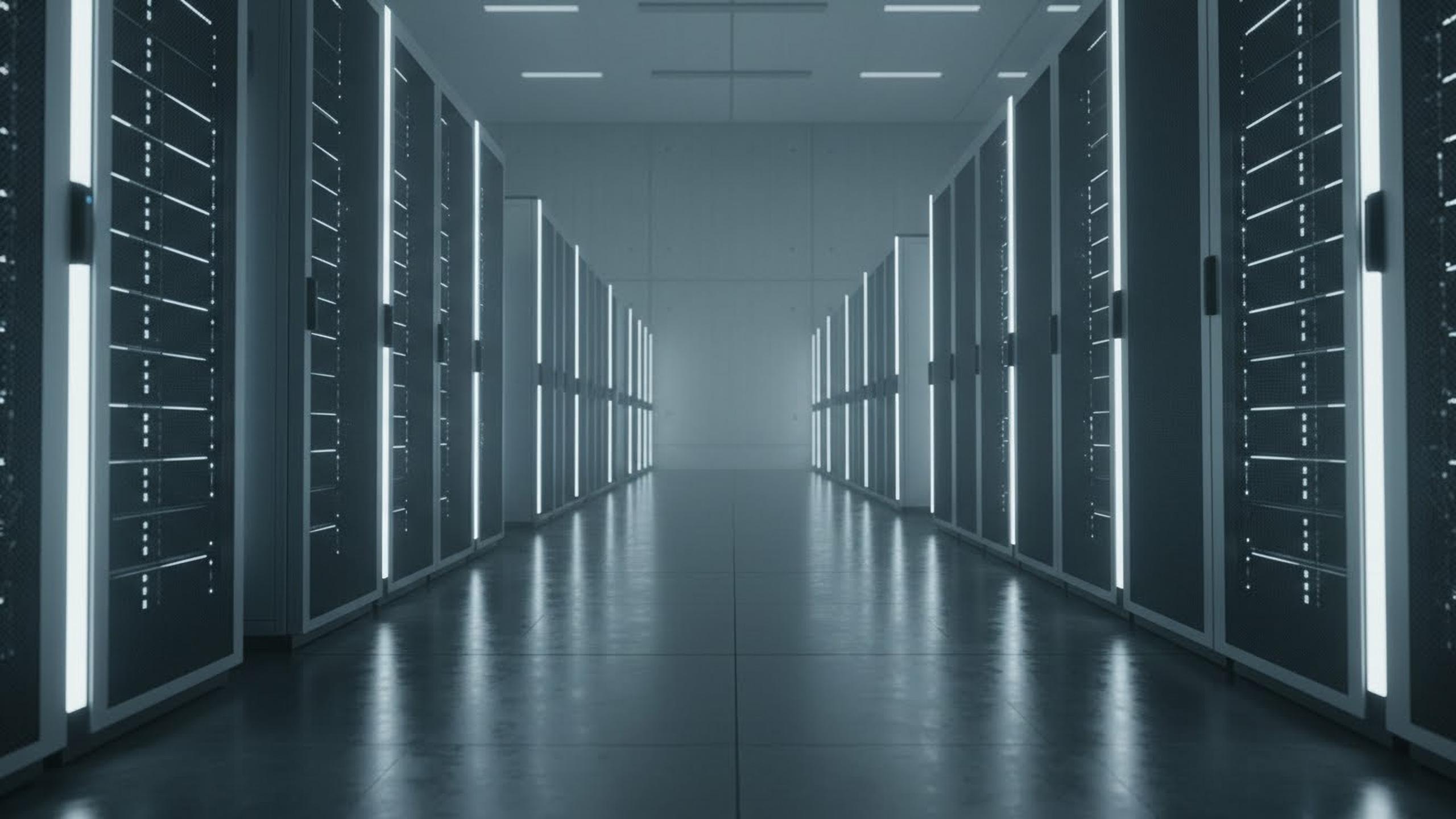
Think of an AI Factory not as a traditional manufacturing plant, but as a supercharged data centre optimised for artificial intelligence. These facilities are dynamic ecosystems that bring together immense computing power, vast datasets, and top-tier
talent. Run by the European High-Performance Computing Joint Undertaking (EuroHPC JU), their primary goal is to provide European startups, SMEs, researchers, and industries with the raw power needed to train and develop large-scale, trustworthy AI models. By offering access to these powerful resources, often free of charge for research and innovation, the EU aims to lower the barrier to entry and spur the creation of homegrown AI solutions in fields like health, manufacturing, and finance.
The Foundation: Today's Supercomputing Network
The journey to gigascale capacity starts with a solid foundation. The EuroHPC JU has already been deploying a network of world-class supercomputers across the continent. Systems like JUPITER in Germany, Europe's first exascale supercomputer, along with LUMI in Finland and LEONARDO in Italy, form the backbone of this initiative. These existing centres are being upgraded and designated as the first wave of AI Factories. As of mid-2026, 19 AI Factories and 13 smaller 'Antennas' are being set up across the EU, significantly boosting the continent's AI computing capacity and creating a collaborative network for innovation.
The Leap to 'Gigafactory' Scale
While AI Factories are powerful, the 'Gigafactory' represents the next quantum leap. The term, inspired by massive industrial plants, refers to a smaller number of exceptionally large-scale, industry-led facilities dedicated to training the next generation of AI models with trillions of parameters. The European Commission plans to build up to seven of these massive hubs, combining public and private investment. The goal is to mobilise a total of €30 billion, with €10 billion from public funds and €20 billion from private investors, to fund these centres. Each gigafactory will bring together over 100,000 advanced processors, an AI-driven automated software stack, and highly resilient infrastructure.
An Ambitious Timeline Unfolds
The EU is moving on an aggressive, if slightly delayed, timeline. After initial announcements and calls for interest in 2025, the formal call for tenders for the AI Gigafactories was set for summer 2026. Construction of the first gigafactory is slated to begin in 2027. The selection process for the initial, smaller-scale AI Factories began in late 2024, with multiple waves of selections and launches continuing through 2025 and 2026 across countries like Germany, France, Spain, and Poland. This phased approach, separating foundational AI Factories from the larger Gigafactories, allows the EU to build momentum while navigating complex funding cycles, with major disbursements expected in 2028 and 2030.
The Geopolitical Stakes
This massive investment is not happening in a vacuum. Europe has watched the US and China dominate the AI landscape, from private investment to the development of foundational models. The AI Factory and Gigafactory initiatives are a direct response, aimed at securing Europe's 'digital sovereignty' and reducing its reliance on American technology giants for critical infrastructure. This strategy is intertwined with the landmark EU AI Act, which began enforcement in August 2026 and sets global standards for safe and trustworthy AI. By building its own capacity, the EU hopes to ensure that the future of AI development aligns with its values while fostering a competitive domestic tech ecosystem with companies like Mistral AI and Aleph Alpha.