





The Metro Market Squeeze
For years, the specialty coffee story in India was written in its biggest cities: Mumbai, Delhi, and Bengaluru. These urban hubs were the natural entry points for brands introducing the 'third wave' of coffee—a movement focused on high-quality, traceable,
and expertly brewed beans. However, this success has led to intense competition and market saturation. Sky-high real estate costs, fierce rivalry for prime locations, and the constant battle for consumer attention have made it incredibly challenging for brands to grow profitably. As a result, cafe owners and chains are looking beyond the metros, where lower rents and less competition offer a more viable path to expansion. This strategic pivot is not just about escaping the pressure; it's about finding new, untapped markets hungry for quality.
The Rise of the Tier-2 Consumer
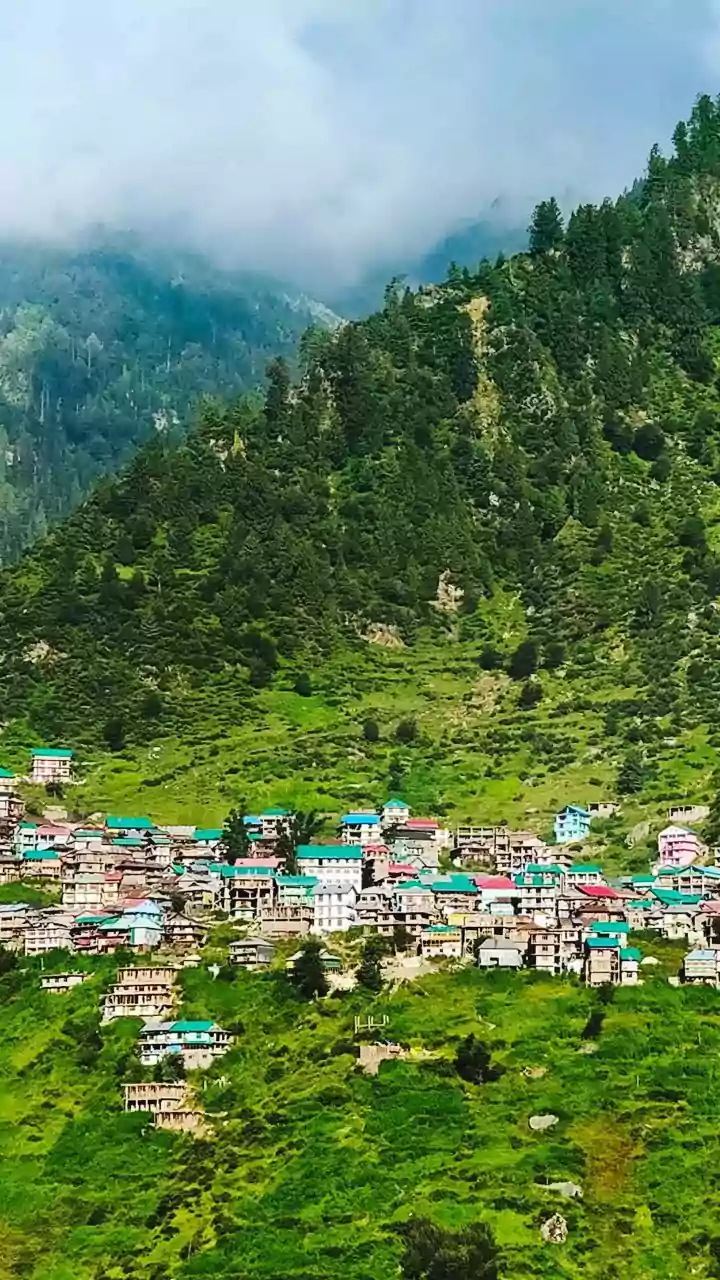
The most significant factor driving this expansion is the changing consumer landscape in non-metro cities. Once considered secondary markets, cities like Chandigarh, Ahmedabad, and Nagpur are now emerging as powerful consumption centres. This is fueled by rising disposable incomes, greater exposure to global trends through travel and the internet, and a growing aspirational middle class. Consumers in these cities are no longer just seeking products; they are seeking experiences. Cafes have become 'third places'—aspirational social hubs for work, leisure, and networking—transforming coffee from a simple beverage into a lifestyle statement. This demand for premium and experiential retail is creating a fertile ground for specialty coffee brands to thrive.
A Post-Pandemic Ripple Effect
The COVID-19 pandemic accelerated a trend of urban decentralisation that has had a lasting impact. The widespread adoption of remote and hybrid work models allowed many young professionals to move back to their hometowns from expensive metro cities. This 'reverse migration' brought with it a wave of consumers who had already developed a taste for specialty coffee and urban lifestyle experiences in the big cities. They returned with metro salaries and a desire for the same quality of life, creating a ready-made customer base for premium businesses in smaller towns. This demographic shift has provided a crucial boost, signaling to brands that a sophisticated and willing audience now exists far beyond the traditional urban centres.
Local Entrepreneurs and Accessible Models
The expansion isn't solely being driven by national chains like Blue Tokai or Third Wave Coffee, both of which have aggressive expansion plans that include non-metro cities. A significant part of the boom comes from homegrown entrepreneurs opening their own unique cafes. These local founders often have a deep understanding of their city's culture and are creating distinctive spaces that merge international coffee standards with regional aesthetics. Brands like Jaipur-based Nothing Before Coffee have demonstrated how to scale rapidly by focusing on Tier-2 and Tier-3 cities with a model built on accessibility and youth-centric branding. This combination of large chains identifying new growth markets and local players building community-focused cafes is creating a diverse and vibrant coffee ecosystem across the country.