




The El Niño Effect
You’ve likely heard the term El Niño, but what is it? Think of it as a temporary, natural warming of parts of the equatorial Pacific Ocean that occurs every two to seven years. This isn't just a patch of warm water; it's a powerful climate pattern that disrupts
weather worldwide. During an El Niño, heat stored in the ocean is released into the atmosphere, often leading to a spike in global average temperatures. The World Meteorological Organization reports that a strong El Niño is intensifying through August-October 2026 and is expected to dominate global climate patterns. This can shift rainfall, making some places wetter and others, like the Indian subcontinent, much drier. While El Niño itself is a natural cycle, it now occurs on top of a baseline that is already warmer due to climate change, amplifying its effects.
Our Overheating Oceans
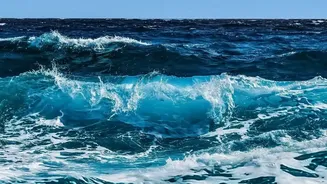
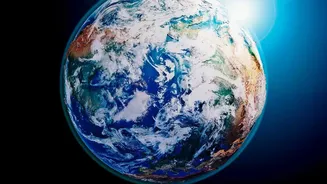
The world's oceans are our planet's largest heat reservoir. They have absorbed a staggering 91% of the excess heat trapped by greenhouse gas emissions over the last century. This has caused ocean temperatures to rise steadily, with 2025 marking the ninth consecutive year of record-breaking ocean heat storage. Record-high sea surface temperatures were recorded in June 2026. This immense stored energy doesn't stay put. It fuels more intense storms, disrupts marine ecosystems, and contributes to rising sea levels. In regions like India, a warmer Arabian Sea can lead to surges in moisture, contributing to extreme rainfall events. The consistent warming of our oceans is one of the clearest signs of long-term climate change, creating a hotter planet both at sea and on land.
Wobbly and Weakening Jet Streams
High up in the atmosphere are fast-flowing rivers of air called jet streams, which steer weather systems around the globe. They form at the boundary between cold polar air and warmer southern air. However, as the Arctic warms much faster than the rest of the planet, this temperature difference is shrinking. This causes the jet stream to slow down and become 'wavier'. Instead of flowing in a relatively straight path, it develops deep, meandering loops that can get stuck in place for long periods. These 'blocking patterns' are what lead to persistent and extreme weather, such as prolonged heatwaves, droughts, or relentless rainfall and flooding, depending on where you are under the wave.
The Climate Change Backdrop
El Niño, ocean cycles, and jet streams are all natural parts of Earth's climate system. So what has changed? The overarching factor is human-caused climate change. The steady increase in greenhouse gases has raised the planet's baseline temperature. India, for instance, has already seen temperatures rise by 0.7°C between 1901 and 2018. This means that natural variations are now happening in a much warmer world. Climate change is supercharging these natural phenomena. It makes El Niño events more extreme, loads the oceans with more heat energy, and destabilises the jet streams. In India, this translates to more frequent and intense heatwaves, a highly unpredictable monsoon with longer dry spells and more extreme rainfall events, and an increased risk of both droughts and floods.