






An Edible Work of Art
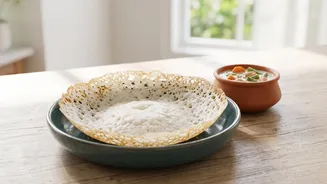
At first glance, an appam can be mistaken for a simple pancake, but it is a far more intricate creation. Originating from the southern states of Kerala and Tamil Nadu, as well as Sri Lanka where it's known as a hopper, the appam is defined by its unique
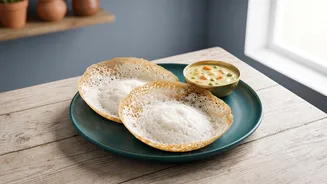
form. It’s not flat like a dosa or uniformly fluffy like an idli. Instead, it’s a bowl-shaped masterpiece with paper-thin, intricate edges that are wonderfully crisp and golden-brown. This delicate lattice work encircles a thick, spongy, and impossibly soft center. The visual appeal lies in this dramatic transition of textures, a feature that makes it a feast for the eyes before it even reaches the palate. This isn't just breakfast; it's a testament to the artistry that can be achieved with a simple batter and a specialized pan.
The Magic of Fermentation
The appam's signature texture and subtly tangy flavour are born from a process of fermentation. The batter is traditionally made from a blend of soaked raw rice and coconut, ground into a smooth liquid. While modern recipes sometimes use yeast or baking soda to speed things up, the classic method relies on natural, overnight fermentation. This slow process allows the batter to rise and develop air pockets, which translate into the appam’s light, porous structure. A touch of sugar is often added, not just for a hint of sweetness, but to aid in fermentation and help the edges caramelize to a perfect crispness during cooking. The inclusion of coconut, either as freshly grated pulp or rich coconut milk, lends a creamy richness and a distinctive, comforting aroma.
The Essential Appachatti
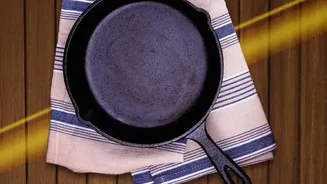
The secret to the appam's unique shape and dual texture lies in the cookware it's made in: a small, deep, wok-like pan called an 'appachatti'. This curved pan is the key to creating the dish's visual identity. When a ladle of batter is poured into the heated appachatti, the pan is immediately tilted and swirled by its handles. This action spreads a thin layer of batter up the curved sides, which cooks quickly into the iconic crispy lace. The remaining batter pools in the center, where it is covered and steamed, cooking more slowly to become the thick, soft heart of the appam. This technique, which requires both precision and practice, is what distinguishes the appam from any other pancake in the world.
The Perfect Culinary Canvas
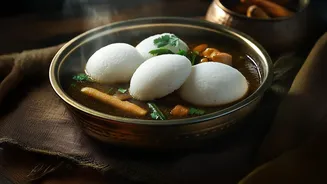
The appam's mild, slightly sweet taste and unique bowl shape make it an ideal partner for a variety of accompaniments. Its soft center is perfect for soaking up gravies and stews. In Kerala, a classic pairing is with a fragrant vegetable or meat 'ishtoo' (stew), a creamy, coconut milk-based curry seasoned with gentle spices. Other popular partners include spicy egg roast, kadala curry (a black chickpea gravy), or a simple but delicious bowl of sweetened coconut milk. The crispy edges can be broken off and used to scoop up the curry, offering a delightful textural contrast in every bite. This versatility allows the appam to be the star of a meal that can range from subtly sweet to richly spiced.