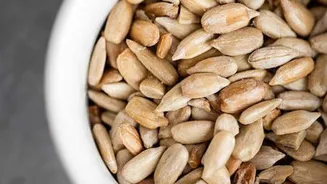




Hulled vs. Pearled: What's the Difference?
At first glance in the grocery aisle, hulled barley and pearled barley might seem interchangeable, but they are fundamentally different because of how they are processed. Hulled barley is the whole-grain form of barley. It has only had its tough, inedible
outer hull removed, leaving the nutrient-packed bran and germ layers intact. This minimal processing makes it the more nutritious option. Pearled barley, on the other hand, goes through an additional step. It is polished, or 'pearled', to remove that outer bran layer and sometimes part of the inner layer, known as the endosperm. This process gives it a paler, more uniform appearance and a softer texture, but it also means it is no longer considered a whole grain.
The Speed Advantage of Pearled Barley
The main reason pearled barley softens faster is simple: its protective outer layer is gone. The bran on hulled barley is tough and fibrous, designed to protect the grain. This layer makes it harder for water to penetrate during cooking. By removing the bran, the pearling process creates a grain that can absorb water much more easily. This directly translates to a significant difference in time spent over the stove. While hulled barley can take an hour or more to become tender, pearled barley is typically ready in about 30 to 45 minutes. For anyone trying to fit a nutritious breakfast into a busy morning, that time saved makes pearled barley the clear winner for convenience.
A Look at the Nutritional Trade-Off
While pearled barley wins on speed, hulled barley takes the crown for nutrition. Because hulled barley is a whole grain, it retains more of its natural nutrients. It is richer in dietary fiber, protein, vitamins, and minerals compared to its pearled counterpart. The fiber content, in particular, is a major benefit, aiding digestion and promoting a feeling of fullness. Pearled barley is by no means an unhealthy choice; it still offers significant amounts of fiber, vitamins, and minerals. Its fiber is found throughout the kernel, not just in the bran, so it remains a healthy option. However, the polishing process does result in a reduction of these valuable nutrients. Your choice depends on your priorities: maximum nutrition or maximum convenience.
How to Choose for Your Breakfast
So, which barley should you reach for when making breakfast? If your morning is relaxed and you're aiming for the most nutritional value and a distinctly chewy, hearty texture, hulled barley is an excellent choice. Soaking it overnight can help reduce its long cooking time. If you're short on time or prefer a softer, creamier texture for your breakfast porridge, pearled barley is the ideal pick. Its quicker cooking time makes it a much more practical option for weekday mornings. Pearled barley releases more starch as it cooks, resulting in a creamier consistency that's perfect for a warm bowl of breakfast porridge, similar to oatmeal but with a more satisfying bite.
Simple Breakfast Barley Ideas
Ready to get cooking? For a quick and creamy breakfast, simmer one part pearled barley with three parts liquid (like water, milk, or a plant-based alternative) for about 30-40 minutes until tender. Stir in cinnamon, a touch of maple syrup, and top with fresh fruit and nuts. You can even make a big batch of cooked barley at the start of the week. Reheat portions in the morning with a splash of milk for an instant breakfast. This works for both pearled and hulled barley. Cooked and cooled barley can also be added to yogurt parfaits or blended into smoothies for a fiber boost.