





The Alarming Rise of Travel Scams
Planning a trip in India or abroad is now easier than ever, thanks to countless online portals for flights, hotels, and tours. However, this convenience comes with a hidden risk. Sophisticated scams are on the rise, designed to trick eager travellers
into handing over their money and personal information. Recent studies show an alarming number of travellers fall victim to these schemes. According to a 2025 McAfee report, nearly half of Indian travellers (47%) have been ensnared by a travel scam, with many losing significant amounts of money. Scammers create highly convincing fake websites that look identical to legitimate travel agencies, airlines, and hotels, complete with stolen logos and professional designs. They prey on our desire for a good deal, using the excitement of travel planning to lower our guard.
Understanding the Lookalike Domain Trap
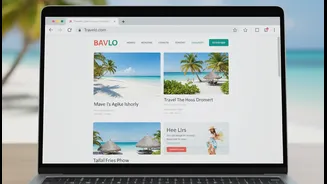
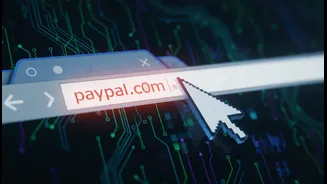
The most common and effective type of online travel fraud is the lookalike domain scam. Scammers register website addresses (domains) that are deceptively similar to the real ones. This could be a minor misspelling, a different extension (like '.co' or '-offers.com' instead of '.com'), or a slight reordering of words. For example, you might be on 'incredible-india-tours.co' instead of the official government-recognised site. These clone websites are designed to be pixel-perfect illusions. They copy everything from the branding to the booking interface, making it nearly impossible to spot the difference at a glance. Unsuspecting users find these sites through search engine ads, social media promotions, or phishing emails and proceed to book, feeding their credit card details directly to criminals.
The Power of the 'Second Check'
This is where the 'second domain check' becomes your most powerful tool. It’s a simple, deliberate pause you take right before the final step of any online transaction. Instead of rushing to click “Pay Now,” you stop and scrutinize the web address in your browser's URL bar. Does it match the official company's domain exactly? This single habit is crucial because scammers rely on your haste. They create a sense of urgency with messages like “Only 2 rooms left!” or “Deal ends in 5 minutes!” to prevent you from looking too closely. By consciously deciding to perform this second check, you break the spell and give yourself a chance to spot the fraud before it’s too late. It is a moment of caution that can prevent weeks of financial and emotional distress.
How to Perform a Thorough Domain Check
Performing a domain check is quick and easy. First, read the URL letter by letter. Scammers often use subtle tricks that are easy to miss. Second, ensure the website uses HTTPS, indicated by a padlock symbol in the address bar. While not a guarantee of legitimacy, a lack of HTTPS is a major red flag. Third, if you have any doubts, use a new browser tab to search for the company's official website and compare the URLs. You can also search for the company name with terms like "scam" or "review" to see if others have reported issues. For visa applications, always start from the official government website of the country you plan to visit, as fraudulent visa service sites are extremely common. Never trust links sent in unsolicited emails or texts promising unbelievable deals.
Other Red Flags to Watch For
Beyond the domain name, be alert for other signs of a scam. Be wary of deals that seem too good to be true, as they often are. Scammers frequently demand payment through non-traceable methods like direct bank transfers, UPI, gift cards, or cryptocurrency, which legitimate companies rarely do. Another warning sign is poor grammar or spelling on the website, or a customer service team that only communicates through WhatsApp. Pressure tactics are a classic scammer tool; a reputable business will give you time to make a decision. Finally, if you make a payment and do not receive an immediate confirmation email with a verifiable PNR or booking reference, contact your bank and the legitimate company right away.