




The Pinnacle of Design Recognition
The Prix Versailles is far more than just a beauty contest for buildings. Announced annually at UNESCO headquarters, it is a global benchmark for architecture and design. The award recognizes structures that excel not only in aesthetic appeal but also
in their intelligent integration of culture, local heritage, and ecological efficiency. Nominees are judged on their ability to serve a practical purpose while uplifting the human spirit and transforming their environment. Being selected for a World Title signifies that a project has achieved a rare harmony between the commercial, the cultural, and the natural—a principle the committee calls 'intelligent sustainability'. For a passenger station to win is a particularly notable achievement, as it honours infrastructure that millions of people interact with daily.
India's Diamond: Surat Diamond Bourse Metro Station
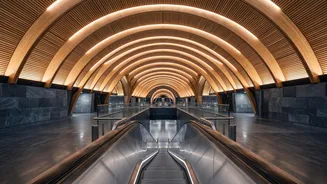
Among the trio of winners is India's own Surat Diamond Bourse Metro Station. A stunning example of design meeting function, the station serves the world's largest diamond trading hub. Its architecture is deeply symbolic, with a crystalline, multifaceted facade that echoes the city's primary industry. The design allows natural light to flood the interiors, reducing energy consumption while creating a welcoming and airy environment for the thousands of daily commuters. Jurors were reportedly impressed by its seamless integration with the sprawling bourse complex, creating a fluid connection between transport and commerce. The station is more than just a transit point; it is a gateway to the economic heart of Surat and a proud reflection of local identity and ingenuity.
Riyadh's Vision: The 'Crystal' Central Station
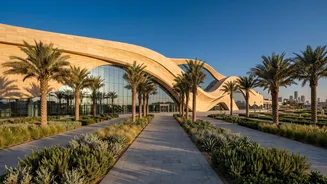
The second station to be honoured is the breathtaking 'Crystal' Central Station in Riyadh, Saudi Arabia. As a cornerstone of the city's ambitious metro project, this station is a statement of intent, embodying the futuristic vision of the kingdom. Designed by a world-renowned architectural firm, its sweeping, organic curves and parametric design create a structure that appears to have emerged from the desert landscape. Inside, passengers are treated to a premium experience with vast, column-free halls, integrated digital art installations, and climate-controlled environments that offer a respite from the city's heat. The 'Crystal' is a marvel of engineering and a symbol of a new era for Saudi Arabia, showcasing how public infrastructure can become a landmark of national pride and forward-thinking design.
Bogotá's Green Heart: Estación del Bosque
Rounding out the winners is the Estación del Bosque ('Forest Station') in Bogotá, Colombia. This project has been lauded for its radical approach to biophilic design, which seeks to connect architecture with the natural world. The station is built around a preserved grove of native trees, with open-air walkways and platforms that weave through the foliage. Its roof is a living canopy of local plants, which helps manage rainwater and naturally cool the station. By prioritising green space and sustainable materials, Estación del Bosque transforms the daily commute into a serene, calming experience. It serves as a powerful model for how cities can combat pollution and improve citizen well-being by placing nature at the very heart of their urban development projects.
Redefining the Future of Transit
Together, these three stations tell a compelling story about the evolution of public transport. They demonstrate a global shift away from purely functional, concrete-heavy designs toward spaces that are beautiful, sustainable, and deeply connected to their local culture. These are not just places to pass through; they are destinations in their own right. They prove that investing in high-quality design for public infrastructure is not a luxury but a vital component of building better, more liveable cities for the future. By celebrating projects like these, the Prix Versailles encourages governments and planners worldwide to think bigger and build smarter.