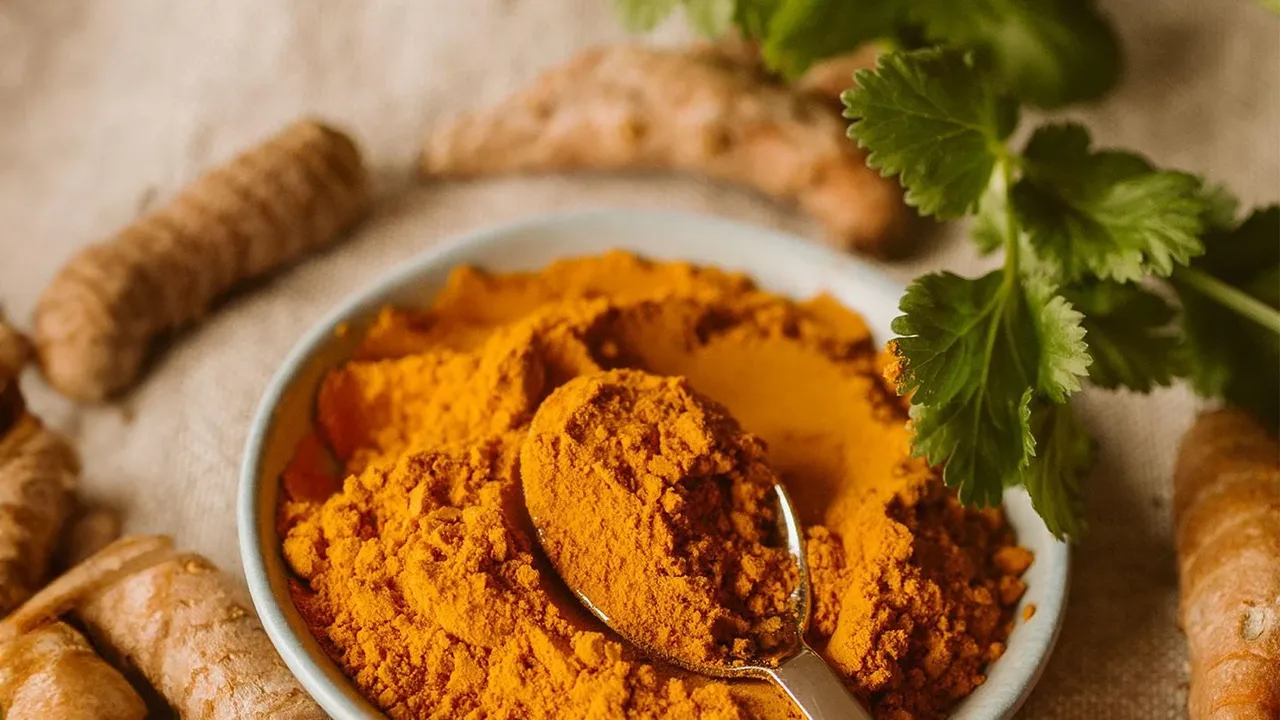






The Golden Spice: Turmeric (Haldi)
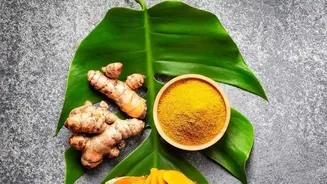
A staple in Indian kitchens, turmeric contains a powerful compound called curcumin, which is celebrated for its potent anti-inflammatory properties. Research shows that curcumin can help block inflammatory signals in the body, potentially reducing the joint
pain and stiffness associated with conditions like osteoarthritis. Some studies have even found it to be as effective as over-the-counter pain relievers for some individuals. To boost its benefits, pair turmeric with a pinch of black pepper. The piperine in pepper significantly enhances your body's ability to absorb curcumin.
Power-Packed Fats: Omega-3 Fatty Acids
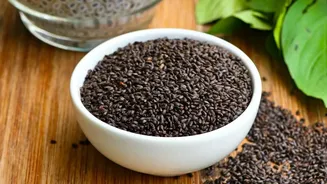
Omega-3 fatty acids are essential fats that play a crucial role in reducing inflammation throughout the body. Found abundantly in fatty fish like salmon and mackerel, as well as in vegetarian sources like walnuts, flaxseeds (alsi), and chia seeds, these fats can help ease joint pain and morning stiffness. They work by curbing the production of inflammatory molecules and may even help protect cartilage from breaking down over time. Including these foods in your diet provides the building blocks for your body to fight inflammation naturally.
Green Goodness: Leafy Vegetables
Don't underestimate the power of greens like spinach (palak), fenugreek (methi), and kale. These vegetables are packed with antioxidants and vitamins that combat cellular damage and inflammation. They are rich in nutrients like vitamin K, which has been linked to better joint health. Furthermore, leafy greens are a key component of a plant-rich diet, which is widely associated with lower levels of systemic inflammation and a reduced risk of chronic diseases. Adding a generous portion to your daily meals is a simple way to fortify your body's defences.
Nature's Candy: Berries
Strawberries, blueberries, and raspberries are more than just a sweet treat; they are loaded with antioxidants called anthocyanins. These are the compounds that give berries their vibrant red and blue colours, and they have powerful anti-inflammatory effects. By helping to neutralize free radicals, which are unstable molecules that can cause cellular damage and trigger inflammation, berries can support your joint health. They are a delicious addition to yoghurt, oatmeal, or smoothies.
The Fiery Root: Ginger (Adrak)
Closely related to turmeric, ginger is another root famed for its medicinal properties. It contains compounds called gingerols, which have been shown to have anti-inflammatory and antioxidant effects. For centuries, ginger has been used in traditional medicine to soothe various ailments, including pain. Modern studies suggest it can help reduce pain and stiffness in people with joint conditions. Enjoy it freshly grated in teas, curries, and stir-fries to harness its potent benefits.
Whole Grains and Legumes
Swapping refined carbohydrates like white bread and pastries for whole grains such as oats, brown rice, and quinoa can make a significant difference. Whole grains are high in fibre, which can help lower levels of C-reactive protein, an inflammatory marker in the blood. Similarly, legumes like lentils, chickpeas, and beans are excellent sources of fibre and antioxidant compounds that help manage the body's inflammatory response, all while providing lean, plant-based protein.