






Shinjuku Gyoen, Tokyo
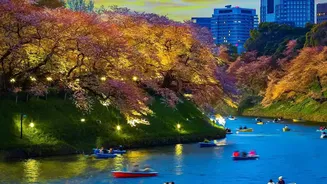
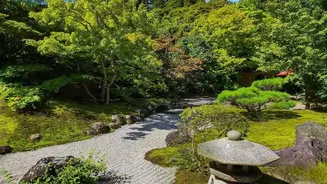
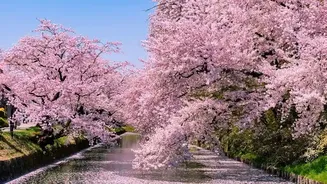
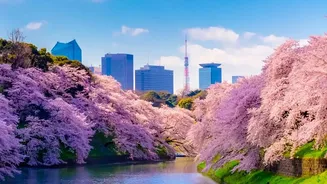
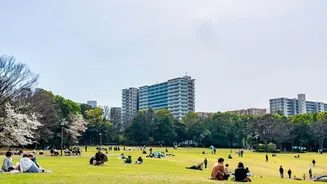
In the heart of Tokyo's most energetic district lies an oasis of calm. Shinjuku Gyoen National Garden is a sprawling 144-acre park that masterfully blends three distinct styles: a traditional Japanese garden with tranquil ponds, a formal French garden,
and a classic English landscape garden. Once an imperial estate, it was opened to the public after World War II and has since become a beloved retreat for both locals and tourists. Stroll across manicured lawns, admire the reflections in the ponds, or find a quiet bench beneath the shade of a cherry tree. The park's vastness ensures you can always find a secluded spot to unwind. Its greenhouse is also a highlight, housing a rich collection of tropical and subtropical plants. For a small entrance fee, you gain access to a meticulously maintained world that feels miles away from the city's neon glow.
Arashiyama Bamboo Grove, Kyoto
Walking through the Arashiyama Bamboo Grove is a truly otherworldly experience. Located on the western outskirts of Kyoto, this famous path takes you through a dense forest of towering bamboo stalks. As the wind rustles through the leaves, it creates a unique, calming sound that adds to the serene atmosphere. The way the light filters through the canopy creates a magical, dappled effect on the trail below. To best experience its tranquility, aim to visit early in the morning before the crowds arrive. This allows you to have the path almost to yourself, making for a peaceful and meditative walk. The grove is part of a larger district filled with temples and scenic spots, making it a perfect anchor for a day of relaxed exploration in one of Japan's most beautiful cities.
Kenrokuen Garden, Kanazawa
Often cited as one of Japan's three most beautiful landscape gardens, Kenrokuen in Kanazawa is a masterpiece of horticultural art. The name means "Garden of the Six Sublimities," referring to the six essential attributes of a perfect garden: spaciousness, seclusion, artifice, antiquity, abundant water, and broad views. Developed over centuries by the powerful Maeda clan, this strolling garden was designed for contemplation. It features a large pond, charming teahouses, stone lanterns, and Japan's oldest fountain, which operates using natural water pressure. Every season brings a new look, from cherry blossoms in spring and lush greenery in summer to vibrant autumn colours and the iconic snow-hung pine trees (yukitsuri) in winter.
Ritsurin Garden, Takamatsu
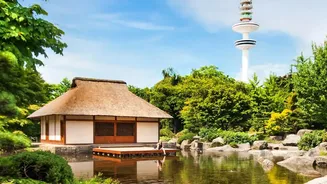
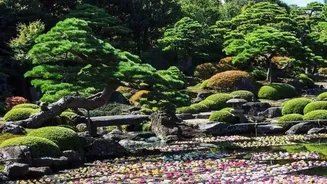
While Kenrokuen is famous, many argue that Ritsurin Garden in Takamatsu deserves equal praise. This magnificent strolling garden, set against the backdrop of Mount Shiun, is the largest of its kind designated as a Special Place of Scenic Beauty in Japan. Completed over 100 years by the region's feudal lords, the garden features six ponds and thirteen landscaped hills, designed to offer a new vista with every step. Visitors can sip matcha at the Kikugetsu-tei teahouse, which offers stunning views over a pond, or take a traditional boat ride to see the landscape from the water. The garden's meticulously pruned pine trees and seasonal blooms make it a breathtaking stop on the island of Shikoku.
Nara Park, Nara
For a different kind of park experience, Nara Park offers a unique blend of nature, history, and wildlife. Established in 1880, this vast public space is home to over a thousand free-roaming deer, which are considered sacred messengers of the gods in Shinto tradition. Feeding the remarkably polite deer is a major attraction, but the park's true charm lies in its serene atmosphere and historical significance. It serves as the grounds for several of Nara's most important temples and shrines, including Todai-ji and Kasuga Taisha. You can spend hours wandering through ancient forests, past tranquil ponds, and among centuries-old structures, all while accompanied by the gentle presence of the resident deer. It's a peaceful and unforgettable connection to Japan's cultural and natural heritage.