




Why Texture Is Your Secret Weapon
We often talk about the flavour transformation of roasted garlic—how its sharp, pungent bite mellows into a sweet, nutty, and complex taste. This happens as the high heat tames the harsh sulfur compounds. But the unsung hero of this process is the change
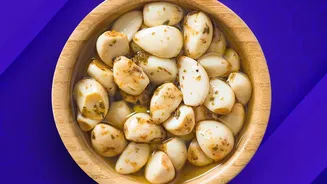
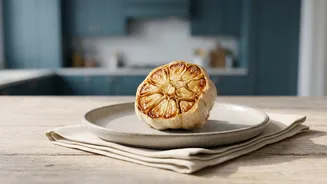
in texture. When properly roasted, garlic cloves transform from firm and crisp to something entirely different: a soft, creamy, and spreadable paste that is almost like butter. This jammy consistency is not just a pleasant mouthfeel; it allows the garlic to be incorporated seamlessly into other dishes. Undercooked garlic remains firm and pungent, while overcooked garlic can become dry and hard. The goal is that perfect in-between state where the cloves are so soft they can be easily squeezed from their papery skins, ready to melt into any dish you desire.
The Gentle Science of Caramelisation
The magic of roasted garlic lies in chemistry. Roasting triggers the Maillard reaction, a process where natural sugars and amino acids react under heat to create a wealth of new flavour and aroma compounds. This is what gives roasted garlic its characteristic brown colour and deep, savoury notes. Furthermore, the heat breaks down the garlic's cell walls. Wrapping the garlic head in foil traps steam, which gently softens the cloves from the inside out, preventing them from drying out. The olive oil plays a crucial role, too; it helps conduct heat evenly, prevents burning, and facilitates the caramelisation that leads to that sought-after creamy texture. This slow-and-low transformation is what turns a simple allium into a culinary superstar, making it milder and easier to digest than its raw counterpart.
A Step-by-Step Guide to Perfection
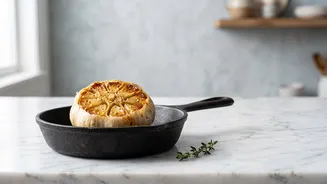
Achieving this sublime texture is straightforward if you follow a few key steps. First, preheat your oven to around 200°C (400°F). While you can roast garlic at various temperatures, this is a reliable sweet spot that avoids burning while ensuring a good roast. Take a whole head of garlic and peel off the loose, papery outer layers, but leave the head intact. With a sharp knife, slice about a quarter-inch off the top, just enough to expose the individual cloves. Place the trimmed head on a piece of aluminium foil. Drizzle the exposed cloves generously with olive oil, letting it seep down into the crevices. A sprinkle of salt can also help draw out moisture and enhance the flavour. Wrap the foil loosely around the garlic to create a sealed packet. Roast for 40 to 60 minutes. The exact time will depend on the size of your bulb. You'll know it's ready when the cloves are deeply golden, fragrant, and exquisitely soft to the touch.
Common Mistakes and How to Avoid Them
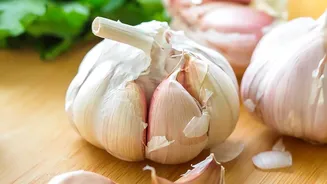
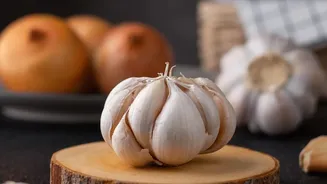
Even a simple process has its pitfalls. The most common mistake is using old garlic. If the bulb feels soft or has started sprouting, it will likely taste bitter and won't soften properly. Always start with firm, fresh garlic. Another frequent error is not using enough olive oil. The oil is essential for moisture and even cooking; skimping on it can result in dry, hard cloves. Finally, be mindful of cooking time and temperature. Too high a heat can burn the outside before the inside has a chance to soften. Start checking your garlic around the 35-minute mark. If you want a deeper caramelisation, you can open the foil for the last 5-10 minutes of cooking to let the tops brown further.
Putting Your Perfect Garlic to Work
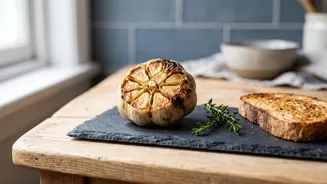
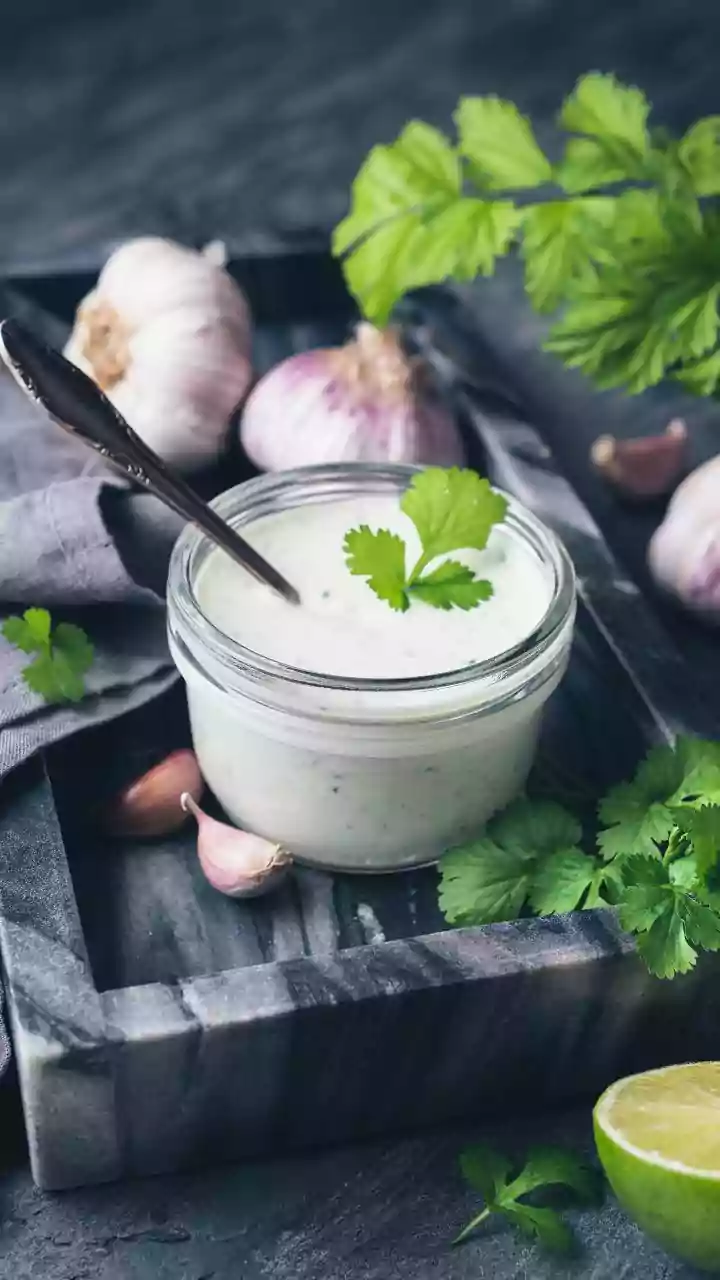
Once you have a bulb of perfectly soft, caramelised garlic, the possibilities are endless. The easiest way to enjoy it is to squeeze the cloves out and spread them on warm, crusty bread. For an instant flavour upgrade, mash the cloves and stir them into mashed potatoes, soups, or stews. The creamy texture blends seamlessly into sauces and dressings, like a homemade Caesar or a rich tomato sauce. You can also mix the roasted garlic paste into softened butter to create a flavourful compound butter, perfect for melting over steak or vegetables. From pasta dishes to pizza toppings, this versatile ingredient adds a layer of sweet, savoury depth that elevates any meal it touches.