



What Is the Skyfall Concept?
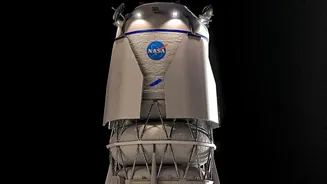
Skyfall is a proposed NASA mission that builds on the incredible success of the Ingenuity helicopter, which proved powered flight was possible in Mars's thin atmosphere. But where Ingenuity was a small, solo technology demonstration, Skyfall is envisioned
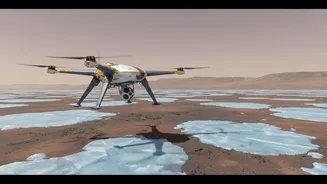
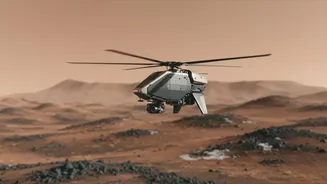
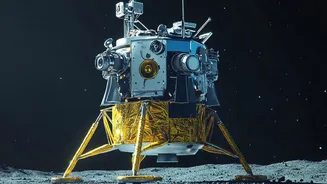
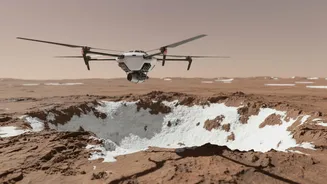
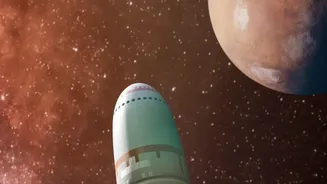
as a full-fledged scientific mission. The concept involves sending a small fleet of autonomous helicopters—current plans mention a trio of them—to the Red Planet. Developed in partnership with AeroVironment, the company that helped build Ingenuity, these next-generation rotorcraft won't need a rover to deploy them. Instead, in a daring manoeuvre befitting their name, they would be released mid-air during atmospheric entry, flying themselves down to the Martian surface. Their primary job: to become aerial prospectors, scouting for resources critical for future human explorers.
From Tech Demo to Science Workhorse
The original Ingenuity helicopter was a trailblazer, completing 72 flights and acting as an aerial scout for the Perseverance rover. It was a 1.8 kg marvel whose main goal was simply to prove flight could be achieved. The Skyfall helicopters, by contrast, are being designed from the ground up as dedicated science platforms. They are an evolution of the Mars Science Helicopter concept, designed to be larger and more capable, with the ability to carry a suite of instruments weighing several kilograms. This payload capacity is the key difference, transforming the helicopter from a simple scout into a sophisticated flying geologist, capable of conducting complex science far from a ground-based rover.
The High-Tech Hunt for Hidden Ice
The most crucial resource for future Martian astronauts is water ice, which can provide drinking water, breathable air (oxygen), and even rocket fuel. While orbiters have found evidence of deep subsurface ice, they can't effectively scan the top few metres of Martian soil, which is where astronauts could most easily access it. This is Skyfall's specialty. Each helicopter will be equipped with a lightweight ground-penetrating radar (GPR) system. Recent tests have focused on a unique, flexible antenna that looks like a small cape trailing below the craft. As the helicopter flies low and slow, this 'cape' will send radar waves into the ground, capable of distinguishing between dry soil and buried layers of ice up to 16 feet (about 5 meters) deep. It’s essentially an aerial survey for the most valuable treasure on Mars.
Why Flying Is the Future of Mars Exploration
Rovers like Perseverance and Curiosity have been invaluable, but they are limited by terrain. They move slowly and can't access steep crater walls or rocky regions where interesting geology—and potentially exposed ice—might be found. Helicopters overcome these limitations. The Skyfall fleet could operate independently, fanning out to survey vast areas in a fraction of the time a rover would take. They can create detailed 3D maps, analyze surface composition with near-infrared imagers, and measure atmospheric conditions at different altitudes. This ability to quickly and safely scout large candidate landing sites for humans is a game-changer, ensuring that the first Martian outposts are built in the safest and most resource-rich locations.
Paving the Way for Human Footprints
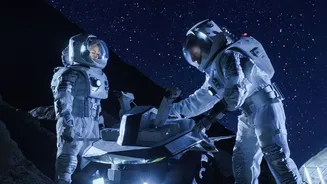
The Skyfall mission, currently proposed for a launch in the late 2020s, represents a critical shift in our approach to Mars. It moves beyond pure exploration and begins the practical work of resource mapping needed for in-situ resource utilization—the idea of living off the land. Finding accessible ice deposits means future astronauts won't have to haul massive quantities of water from Earth, dramatically reducing the cost and complexity of a human mission. By creating detailed maps of this crucial resource, the Skyfall helicopters would be doing more than just conducting science; they would be laying the groundwork for the first human colony on another world, making the dream of becoming a multi-planetary species feel more tangible than ever.