







The Current Situation
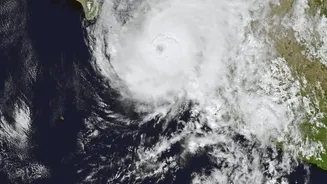
The India Meteorological Department (IMD) has confirmed that the system has strengthened into a 'Severe Cyclonic Storm'. As of the latest updates on November 18 and 19, Cyclone Akvan was located over the west-central Bay of Bengal, several hundred kilometres
off the coast of Andhra Pradesh and Odisha. The storm has been moving north-northwestwards and is gathering strength over the sea. The IMD has issued a 'Red Message' cyclone warning for the coasts of North Andhra Pradesh, Yanam, and South Odisha, signalling a high level of alert.
Projected Path and Landfall
Forecasts indicate that Cyclone Akvan is likely to cross the coast between Narsapur in Andhra Pradesh and Puri in Odisha. The expected landfall is predicted to occur around noon on Friday, November 20. At the time of landfall, it is expected to be a 'Severe Cyclonic Storm' with maximum sustained wind speeds of 90-100 kmph, gusting up to 110 kmph. Earlier predictions suggested it might become a 'Very Severe Cyclonic Storm', but the forecast has since been slightly downgraded. However, authorities warn that the situation remains serious, with some coastal warnings indicating gusts could still reach up to 145 kmph.
What 'Akvan' Means
The name 'Akvan' was proposed by Iran, one of the 13 member countries of the panel that names tropical cyclones in the North Indian Ocean. The name has roots in Persian mythology, specifically from the epic poem 'Shahnameh'. It refers to Akvan-e Div, a powerful and cunning demon-like character. The naming of cyclones helps in the clear and quick dissemination of warnings to the public and disaster management authorities, especially when multiple weather systems are active.
States on High Alert
Both Andhra Pradesh and Odisha are bracing for the storm's impact. The Odisha government has placed eight districts on high alert and has begun evacuating people from vulnerable low-lying and landslide-prone areas. Schools have been closed in several districts as a precautionary measure. In Andhra Pradesh, coastal districts are on high alert, with disaster management authorities preparing for strong winds and heavy rainfall. The IMD has issued warnings for heavy to extremely heavy rainfall in parts of Coastal Andhra Pradesh, Yanam, and Odisha on November 19 and 20. The impact may also extend to Gangetic West Bengal and Telangana.
How to Stay Safe
Authorities have urged residents in the affected coastal regions to take immediate precautions. Fishermen have been strongly advised not to venture into the Bay of Bengal until the storm passes. Officials are preparing cyclone shelters and stocking up on essential supplies like food, water, and fuel. Residents are advised to stay indoors, secure their homes, and follow all official advisories from the IMD and local disaster management agencies. Keeping an emergency kit with essentials is also recommended. A storm surge of 1-2 metres above the normal tide is also possible, which could inundate low-lying coastal areas in several districts of Andhra Pradesh.