


Meet the Newest Member of the Household
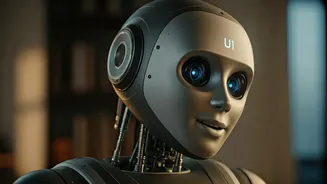
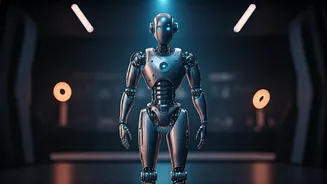
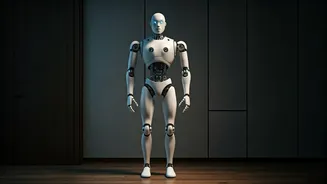
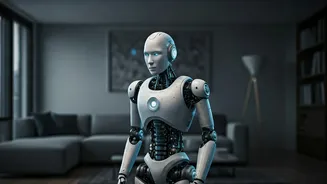
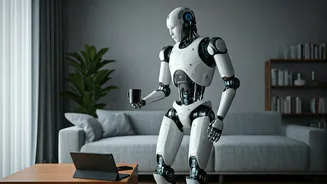
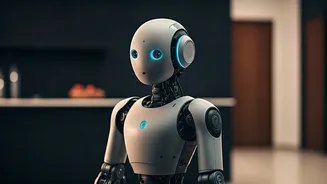
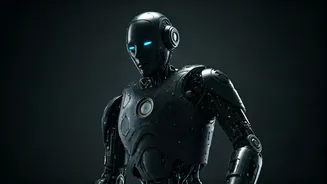
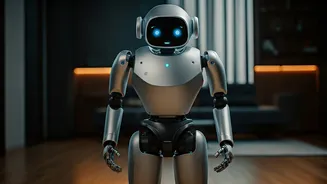
The robot in question is the U1, developed by the pioneering robotics firm UBTECH. Launched under a new consumer brand, the U1 is not a factory worker or a research project; it's designed specifically for households as a companion. It comes in two models,
a male and female version, standing at 183cm and 168cm respectively, with lifelike silicone skin and 88 joints for movement. After opening for pre-orders in China in early June, the company reported receiving over 11,000 orders by its official launch event on July 1, 2026, with the first units scheduled to ship in September.
More Than Just a Walking Smart Speaker
While many of us have become accustomed to asking voice assistants for the weather, the U1 aims for a much deeper level of interaction. Its primary function is emotional companionship. UBTECH claims the robot is equipped with a sophisticated AI model that analyzes your tone of voice, speaking patterns, and facial expressions to gauge your emotional state and tailor its conversation accordingly. Crucially, the company asserts that this emotional AI runs locally on the robot itself, not on a cloud server. This is a major bet on privacy, suggesting your interactions remain within your home, a key differentiator from most data-hungry smart devices.
The Price of a Robotic Friend
Bringing home a piece of the future doesn't come cheap, but it might be more accessible than you think. The entry-level U1 'Lite' model is priced at approximately $17,650, about the cost of a new car. While that's a significant investment for most households, it's a far cry from the six-figure price tags often associated with advanced humanoids. The existence of a tiered pricing structure, with premium models running much higher, suggests a strategy to capture both early adopters and a more affluent market. The strong initial pre-order numbers in China indicate a clear appetite for such devices, even at this price point.
A Different Path in the Robot Race
The U1's focus on companionship sets it apart from other high-profile humanoid projects. Companies like Tesla with its Optimus robot and Figure with its Figure 01 are heavily focused on industrial and logistical applications first. Their goal is to create a robotic workforce that can seamlessly integrate into factories and warehouses, with consumer applications being a more distant, future goal. UBTECH, by contrast, is making a bold and immediate push into the consumer social space. It's a gamble on whether people are ready not just for a robot that does tasks, but for one that provides company.
Reality Check: Promises vs. Performance
While the launch is a milestone, it is important to maintain a healthy dose of realism. All the impressive details about the U1's capabilities come from the company's own launch event and marketing. There have been no independent, third-party reviews to verify the performance of its local AI, the subtlety of its emotional detection, or the fluidity of its movements. Furthermore, manufacturing and delivering over 11,000 complex machines on a tight deadline is a monumental industrial challenge that has tested even the most established technology companies. The true test for the U1 will begin when it steps out of the lab and into the messy, unpredictable environment of a real human home.