




The Modern Appliance Meets Ancient Tradition
The air fryer has rapidly moved from a niche gadget to a mainstream appliance in many Indian kitchens. This surge in popularity is driven by a collective shift towards healthier eating habits and a demand for convenience in our fast-paced urban lives.
The Indian air fryer market, valued at nearly USD 49 million in 2025, is projected to grow steadily, reflecting this trend. This appliance, which promises the crunch of deep-frying with a fraction of the oil, has found a unique and compelling use case during traditional Hindu fasting periods, or 'vrat'. As people observe fasts for festivals like Navratri and Shravan, they are increasingly turning to the air fryer to prepare 'falahari' foods that are both compliant with religious norms and aligned with modern health goals.
Why Air-Fry Your Fasting Favourites?
Traditionally, many beloved vrat snacks—from sabudana vada to kuttu ke pakode—are deep-fried. While delicious, the high oil content can feel heavy and counterintuitive to the detoxifying spirit of a fast. Air frying offers a practical solution, using significantly less oil to achieve a comparable crispy texture. This not only reduces the calorie and fat content but also simplifies the cooking process. There's less mess, and cooking is often faster, a significant advantage during busy festival days. This makes it easier for individuals and families to uphold traditions without compromising on their health or spending hours in the kitchen, making the practice of fasting more sustainable in contemporary life.
Classic Vrat Snacks, Reimagined
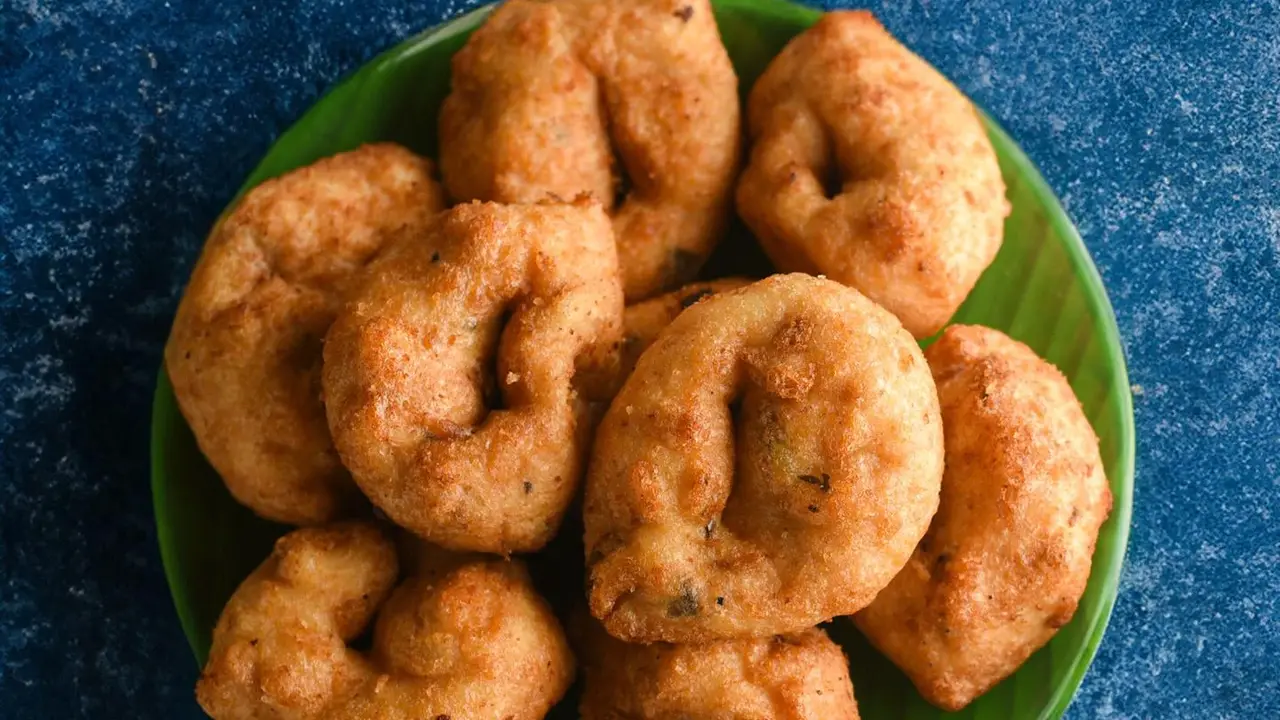
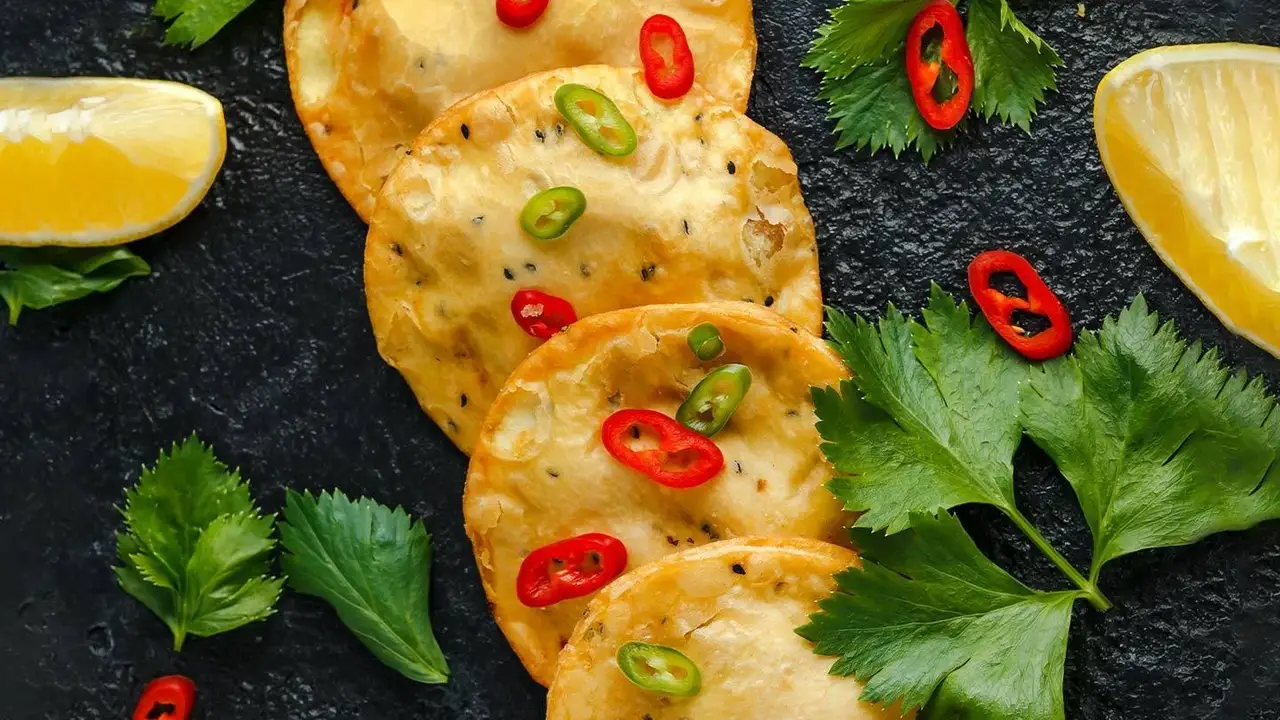
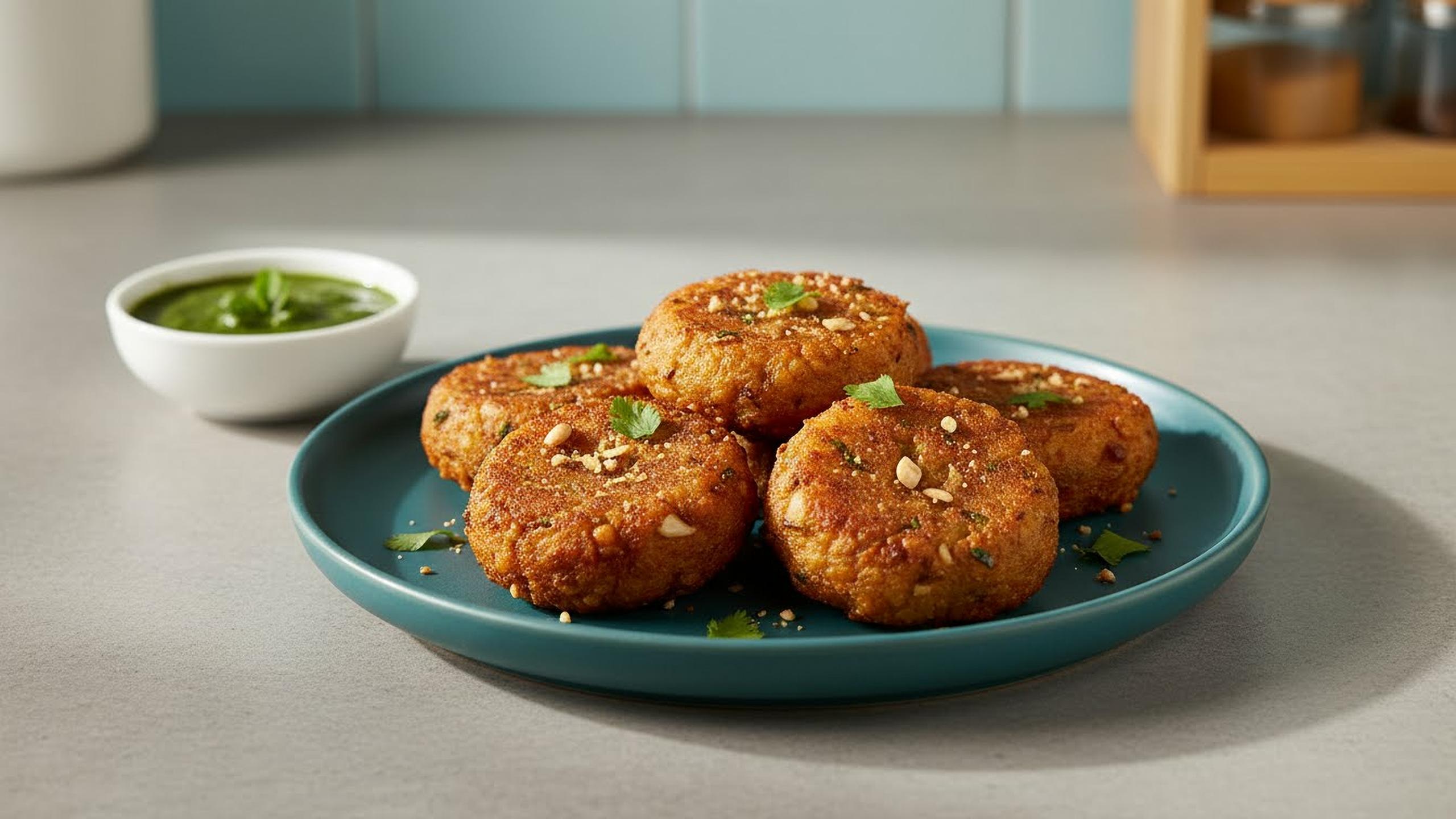
The versatility of the air fryer means that a wide array of vrat-approved ingredients can be transformed into delightful snacks. Sabudana vada, a fasting classic, crisps up beautifully in an air fryer with just a brush of ghee, retaining its soft interior without becoming oily. Similarly, pakoras made from kuttu (buckwheat) or singhara (water chestnut) flour can be cooked to a satisfying crunch. Beyond fried snacks, the appliance is perfect for making sweet potato fries, roasting makhana (fox nuts), and even creating crispy banana chips from raw bananas—all using permissible ingredients like sendha namak (rock salt). Even vegetables like arbi (taro root) and pumpkin can be turned into delicious cutlets or wedges.
The Wider Context: An Evolution of Ritual
The adoption of air fryers for vrat cooking is more than just a kitchen hack; it signifies a broader cultural evolution. In India, food is central to festivals, serving as a connection to heritage and community. However, traditions are not static; they adapt to survive and remain relevant. The use of a modern appliance to prepare age-old recipes is a perfect example of this. It's not about abandoning tradition but about adapting it to fit contemporary values, where health, wellness, and efficiency are priorities. By making festive food lighter and more convenient, the air fryer helps ensure that these cherished culinary rituals can be passed down and enjoyed by future generations, blending the sacred with the sensible.