


The Potent Charm of Clove
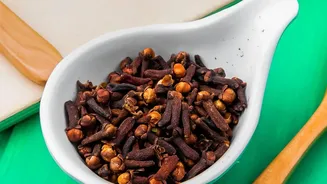
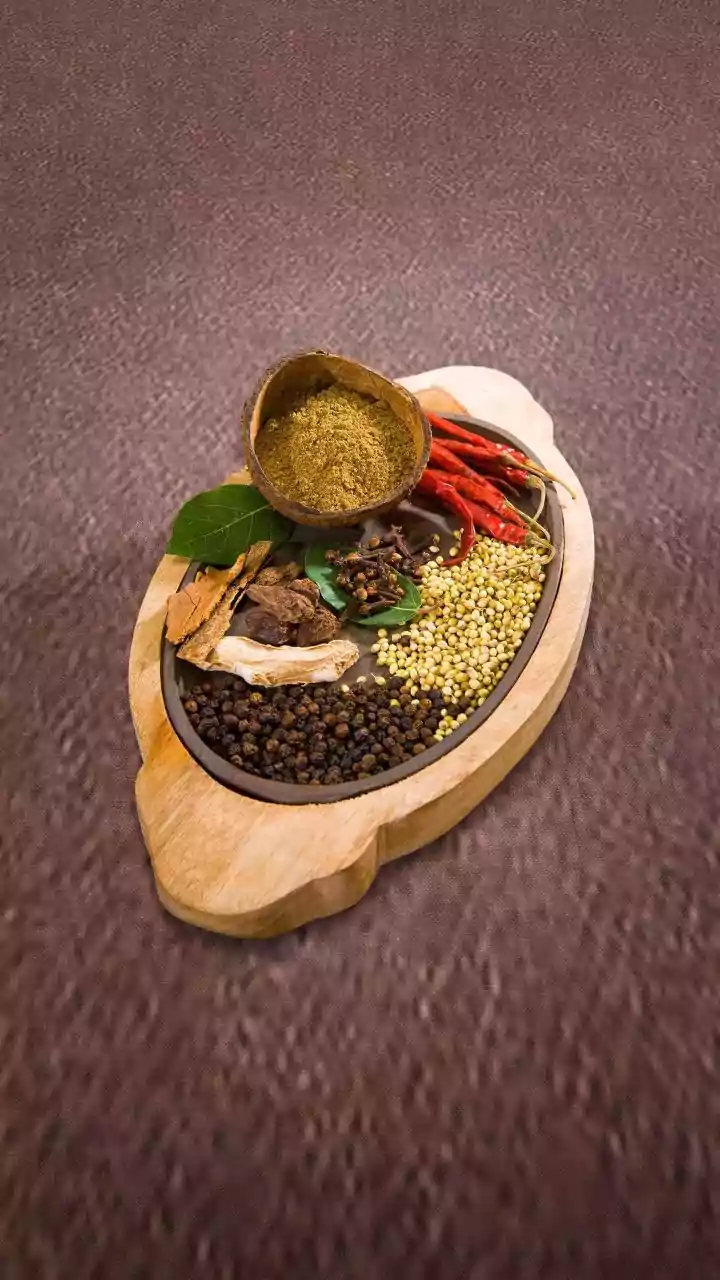
Known as 'laung' in Hindi, cloves are the dried flower buds of an evergreen tree, and a staple in Indian kitchens for millennia. Their flavour profile is intense—warm, sweet, and distinctly pungent. While a key component of foundational spice blends like
garam masala, where it provides aromatic depth, the clove also shines on its own. A single bud has enough potency to perfume an entire pot of rice, which is why it's a cherished ingredient for savoury dishes rather than sweets in most Indian cooking. Its magic lies in its versatility, offering a deep, woody fragrance when bloomed in hot ghee and a slow-releasing warmth when simmered in a rich gravy.
Crafting the Perfect Clove Pilaf
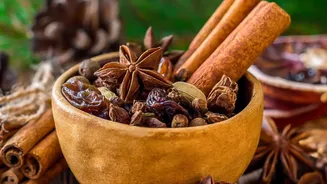
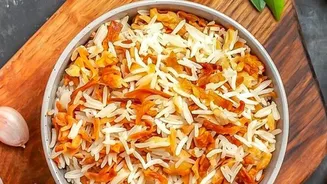
A fragrant pilaf, or pulao, is one of the simplest ways to appreciate the character of clove. The goal is to create fluffy, separate grains of basmati rice, each infused with a subtle, spicy aroma. Start by rinsing your rice until the water runs clear. In a pot, heat ghee or oil and add whole spices. Along with a few cloves (typically 4-5 for a serving of four), consider adding complementary spices like a stick of cinnamon, a few green cardamom pods, and a bay leaf. Allowing these to sizzle for about 30 seconds—a technique known as blooming—releases their essential oils and builds a flavour base. Next, you can sauté thinly sliced onions until they become translucent before adding the soaked rice and water. The key is not to overpower the dish; the cloves should provide a warm background note, not dominate the palate. Once cooked, let the rice stand for a few minutes before fluffing with a fork.
Building a Rich and Hearty Stew
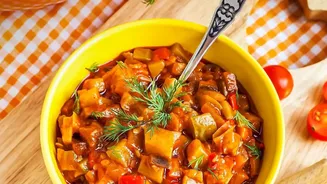
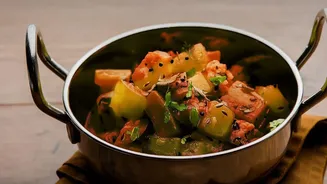
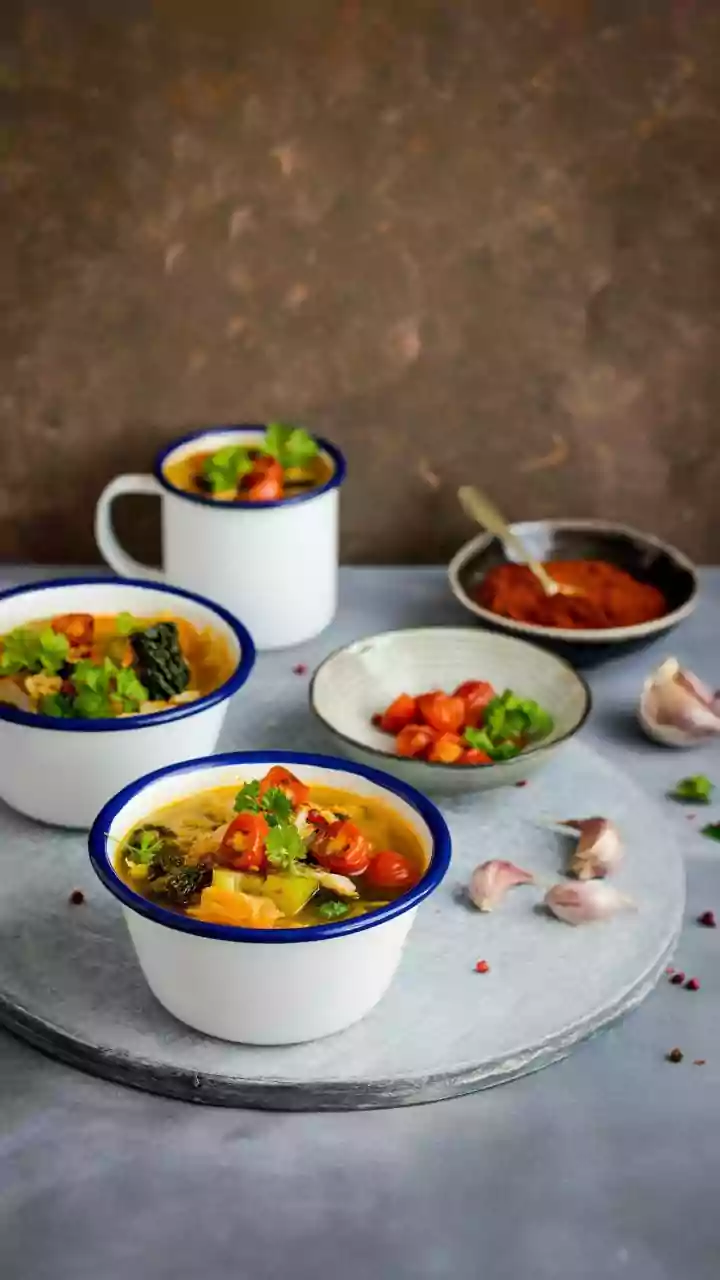
Cloves bring a wonderful depth to slow-cooked stews, pairing exceptionally well with both meats like lamb and mutton, and hearty vegetables. In an Anglo-Indian style stew, for instance, whole cloves are often sautéed in oil at the beginning, along with cinnamon, cardamom, and peppercorns, to create an aromatic foundation. After browning onions, ginger, and garlic, meat or vegetables like potatoes, carrots, and beans are added. The cloves release their flavour slowly as the stew simmers, melding with the other ingredients. In many South Indian preparations, such as the Keralan 'ishtu', a creamy texture is achieved by finishing the dish with coconut milk, which beautifully balances the warm spice of the cloves. The slow cooking process allows the cloves' pungent edges to mellow, resulting in a rich, comforting gravy that is deeply flavourful.
A Few Tips for Success
Cooking with cloves requires a gentle hand, as their flavour can be assertive. A little truly goes a long way. When making rice or pilaf for a family, 4 to 6 whole cloves are usually sufficient. If you bite into a whole clove, the taste can be intense, so some cooks prefer to tie their whole spices in a small muslin cloth (a bouquet garni) for easy removal before serving. For a more intense flavour, you can use ground cloves, but do so sparingly—a general rule is to use about a quarter teaspoon of ground cloves for every three or four whole ones. Remember to store your whole cloves in an airtight container away from direct sunlight; they will retain their potent aroma and flavour for about a year, far longer than their pre-ground counterparts.