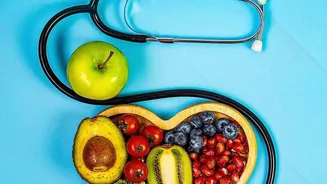





The festive lights have dimmed, but the feeling of indulgence lingers. After days of sweets and savouries, the temptation is to skip meals to 'detox'. But cardiologists advise against this, recommending a kinder, more sustainable approach.
Why Skipping Meals Backfires
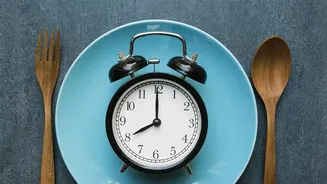
The common strategy
of starving all day to compensate for a festive dinner often does more harm than good. When you skip meals, your blood sugar levels drop, which can lead to irritability, fatigue, and intense hunger. This state of being 'hangry' makes you more likely to overeat later and crave unhealthy, high-calorie foods. Experts note that your body, in 'survival mode', may slow down its metabolism, which can contribute to weight gain over time. Cardiologists and nutritionists agree that the goal should be balance and mindful eating, not deprivation.
Hydrate, Then Hydrate Some More
One of the simplest and most effective ways to help your body recover is to drink plenty of water. Dehydration can thicken the blood and increase heart rate. Staying hydrated helps flush out toxins and aids your digestive system in getting back on track after processing rich, festive foods. Start your day with a glass of warm water, perhaps with a squeeze of lemon, and continue sipping throughout the day. However, it's important to limit sugary drinks and packaged juices, which add to the sugar load you're trying to reduce. Patients with specific conditions like heart failure should stick to the fluid limits advised by their doctor.
Eat Lighter, Not Less
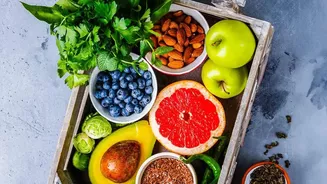
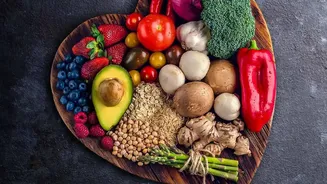
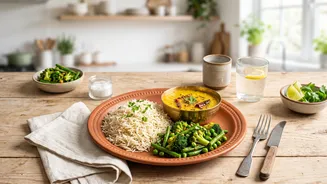
Instead of avoiding food, focus on eating lighter, more nourishing meals. This gives your digestive system a much-needed rest without depriving your body of essential nutrients. Simple, home-cooked meals are ideal. Think of dishes like khichdi, dal, vegetable soups, and porridge, which are easy to digest. Health experts suggest incorporating plenty of fresh fruits and vegetables, which are packed with fibre, vitamins, and minerals. These foods help restore your gut health and keep you feeling full, reducing the urge to snack on leftover festive treats.
Incorporate Gentle Movement
You don't need to jump into strenuous workouts to compensate for festive eating; in fact, experts advise against it immediately after heavy meals. Instead, gentle movement is highly beneficial. A simple 15–20 minute walk after meals can aid digestion, help manage blood sugar levels, and prevent the sluggish feeling that often follows a rich meal. Activities like walking, yoga, or stretching re–energise the body and boost circulation. The key is consistency. Aim for about 30 minutes of moderate activity daily to support your heart and overall well–being.
Prioritise Protein and Fibre
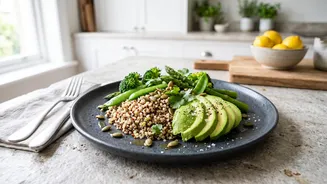
To curb cravings and keep your energy levels stable, make protein and fibre your friends. Starting your day with a protein–rich meal helps you feel full longer and reduces the likelihood of bingeing on unhealthy snacks. Options like yoghurt, nuts, or sprouts are great choices. Fibre, found in whole grains, fruits, and vegetables, is crucial for bringing your digestive system back on track. Cardiologists suggest adding a salad to every plate and choosing roasted snacks like makhana or chana over fried ones.
Get Adequate Sleep
Late–night celebrations during festivals can disrupt your sleep cycle, which has a direct impact on your health. Poor sleep affects hormones that regulate appetite, often making you crave more calorie–dense foods the next day. It can also affect blood pressure and overall cardiovascular health. Aim for 7–8 hours of quality sleep per night to allow your body to rest, repair, and regulate itself. Establishing a consistent sleep routine is a crucial step in your post–festive reset.