




The MAX 7 Crosses the Finish Line
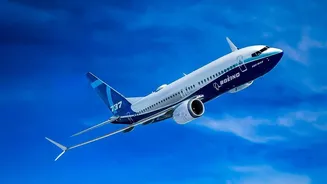
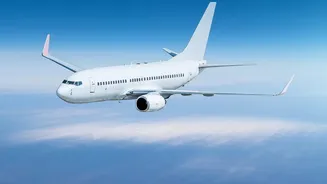
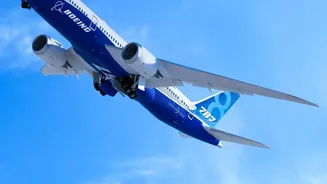
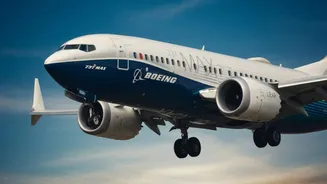
The U.S. Federal Aviation Administration (FAA) has officially granted an amended type certificate for the Boeing 737 MAX 7. This certification is the formal declaration that the aircraft's design complies with all safety and airworthiness standards, clearing
the way for production and eventual deliveries to airlines. The approval marks a significant milestone for Boeing, which has been working for years to get the final two members of its MAX family certified. The journey has been arduous, involving extensive reviews and design changes mandated in the wake of the two tragic MAX 8 crashes in 2018 and 2019. The certification program for the MAX 7 involved nearly 700 flight-test hours and over 300 ground-test hours to validate its safety and performance. Southwest Airlines, the launch customer for the MAX 7, has hundreds of the jets on order to modernize its fleet and now anticipates the plane entering service in the coming months.
A Common Hurdle: The Anti-Ice System
A key issue delaying both the MAX 7 and MAX 10 was a problem with the engine anti-ice system. During testing, it was discovered that running the system for an extended period in dry conditions could cause the engine inlet to overheat, potentially damaging the structure. This required a significant redesign. Before granting approval for the MAX 7, the FAA mandated that the aircraft incorporate key improvements, including a redesigned engine anti-ice system, updated flight-control software, and a new flight crew alerting system. These changes are designed to provide pilots with clearer warnings and prevent the overheating issue. While Boeing had initially sought a temporary exemption for the issue, the company later withdrew the request and committed to a full design solution, which has now been approved for the MAX 7.
Why the MAX 10 Still Waits
While the MAX 7 is cleared, the larger MAX 10 remains in the final stages of its own certification process. Though it shares the same engine anti-ice system issue, its certification is more complex. As the largest variant of the 737 family, the stretched MAX 10 requires its own extensive flight testing to validate its unique aerodynamic and handling characteristics. Boeing recently announced the completion of the MAX 10's flight test campaign, which involved over 2,000 flight hours. However, the company must still complete crucial paperwork, including development assurance reviews and system safety assessments, before submitting the final package to the FAA for review. Industry expectations point toward certification for the MAX 10 occurring in late 2026, with deliveries to major customers like United Airlines, Delta Air Lines, and WestJet likely beginning in late 2026 or early 2027.
The Long Shadow of Increased Scrutiny
The divergent timelines for the MAX 7 and MAX 10 underscore the new reality for Boeing: a far more rigorous and painstaking regulatory environment. The FAA's heightened oversight is a direct result of the Aircraft Certification, Safety, and Accountability Act, a law passed by the U.S. Congress to reform aircraft certification following the original MAX crisis. The agency has repeatedly stated it is taking a more hands-on approach, directly reviewing safety assessments and requiring design changes where needed. FAA safety inspectors will also remain on-site at Boeing's production facilities to monitor manufacturing and safety culture. This intense scrutiny, while necessary for restoring public trust, has extended development timelines and added a layer of uncertainty for Boeing and its airline customers, who are eager to receive new, more fuel-efficient aircraft.