



From Fringe to Federal Focus
For decades, talk of UFOs was relegated to the fringes of popular culture and scientific inquiry. Now, the topic has firmly entered the mainstream of US national security. This shift has been years in the making, moving from quiet Pentagon programs to public
congressional hearings. The establishment of the Pentagon's All-domain Anomaly Resolution Office (AARO) in 2022 was a major step. AARO was tasked with standardizing the collection of reports about Unidentified Anomalous Phenomena (UAP), the official government term that has replaced UFO. This newer term acknowledges that the phenomena are not just objects and are not just flying. This evolution has been driven by credible reports from military pilots and perplexing data from advanced sensors, prompting lawmakers to demand more transparency and a structured approach to a potential national security threat.
A New Council for a New Era
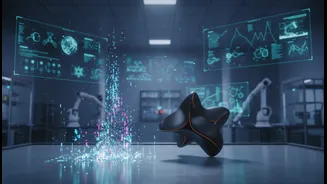
The latest development is the formation of the UAP Science Advisory Council, a panel of experts created to provide scientific guidance to the US government. Announced in mid-2026, the council will be led by Harvard astrophysicist Avi Loeb, a prominent and sometimes controversial voice in the search for extraterrestrial intelligence. This new body is not designed to replace the Pentagon's AARO, but to support it. Its mission is to advise AARO, the White House, the FBI, and the intelligence community on how to apply rigorous scientific methods to the UAP mystery. The focus will be on improving data collection and analysis, moving beyond anecdotal accounts to verifiable, high-quality evidence. The council brings together scientists from diverse fields, including astrophysics and oceanography, to lend their expertise to the problem.
Beyond the Skies: Sea and Space
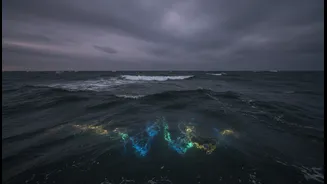
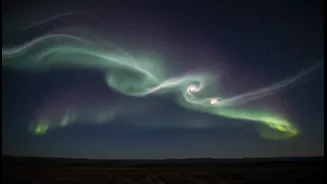
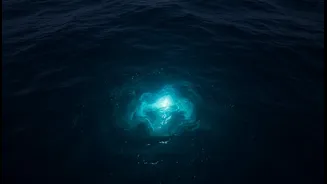
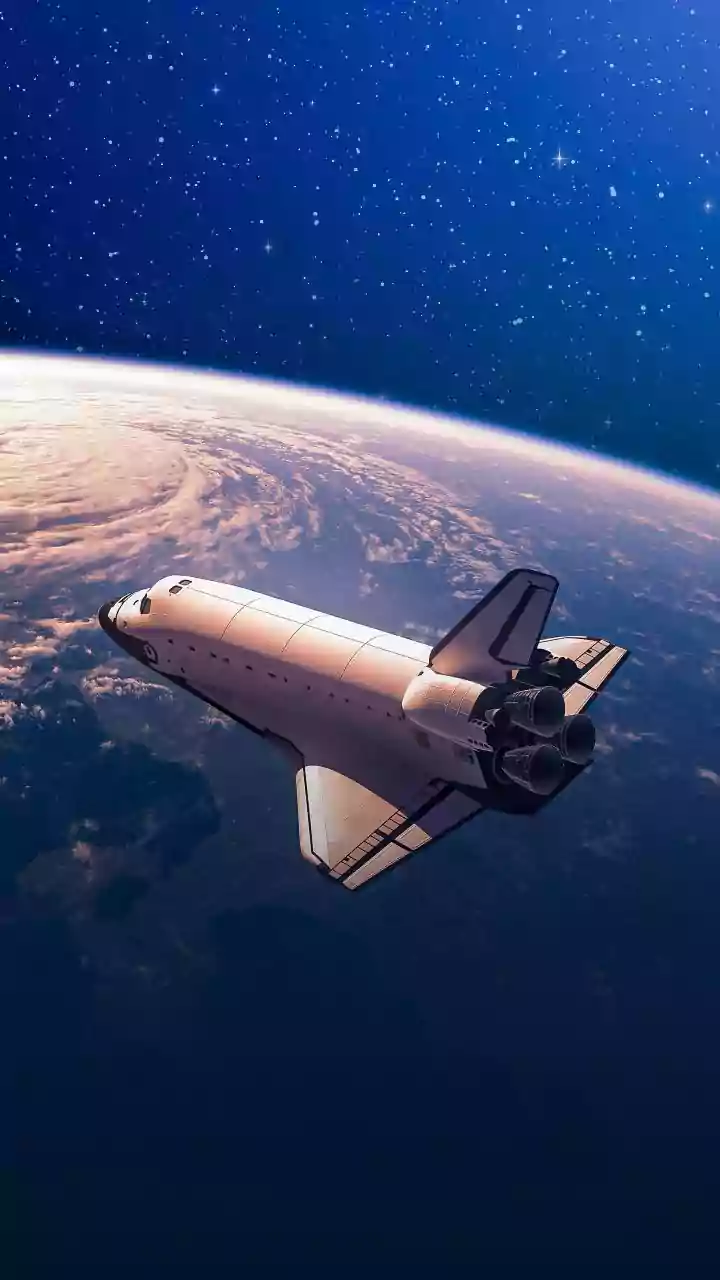
A critical part of this new chapter is the expanded scope of the investigation. The term "All-domain" in AARO's name and the broader definition of UAP explicitly include phenomena that are airborne, in space, underwater, or that can transition between these environments—so-called "transmedium objects". The headline's mention of sky, sea, and space is therefore deliberate and significant. Investigators are not only concerned with objects that outpace fighter jets but also with what have been colloquially termed Unidentified Submerged Objects, or USOs. Reports from naval personnel and data from sonar systems have hinted at underwater craft moving at speeds and in ways that are not easily explained by current technology. The new council's mandate covers all these domains, signaling that the government is treating this as a comprehensive environmental challenge, not just an aerial one.
The Push for Openness
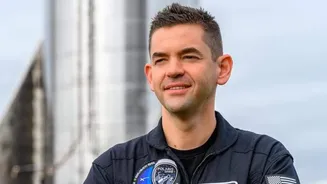
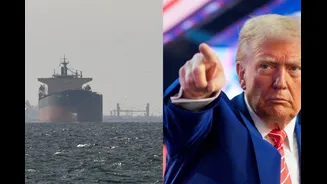
This new scientific panel is part of a broader push for transparency from the US government. Under an initiative known as the Presidential Unsealing and Reporting System for UAP Encounters (PURSUE), the Trump administration has directed agencies to declassify and release relevant files. This has resulted in several batches of documents, videos, and images being made public throughout May, June, and July of 2026. Adding to the momentum, NASA Administrator Jared Isaacman recently confirmed that the space agency possesses images of phenomena that it cannot currently explain. While officials maintain that they have found no definitive evidence of extraterrestrial technology, they also admit a portion of sightings remain unresolved. The creation of an independent science council is a clear signal that the government is inviting outside expertise to help solve its most perplexing mysteries.