



Don't Peel Away the Nutrients
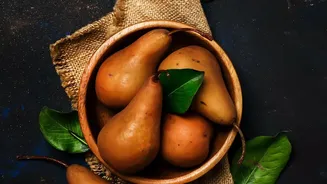
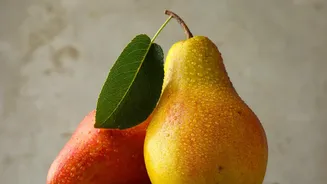
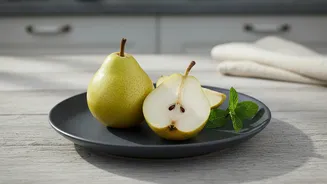
It’s tempting to peel a pear, but the skin is a nutritional powerhouse you don’t want to miss. A significant portion of a nashpati's dietary fibre is concentrated in its peel. This fibre, particularly a type called pectin, is crucial for good digestion,
helping to maintain regularity and feed the healthy bacteria in your gut. Beyond fibre, the skin is packed with antioxidants and important phytonutrients. It contains up to six times more polyphenols than the flesh, including quercetin, a flavonoid known for its anti-inflammatory properties and benefits for heart health. By eating the whole pear, you ensure you're getting the complete package of vitamins and disease-fighting compounds the fruit has to offer.
The Whole Fruit Fibre Factor
Choosing a whole nashpati over its juiced counterpart makes a world of difference for your body. When a fruit is juiced, most of its beneficial fibre is removed during processing. This fibre is essential because it slows down the digestion and absorption of the fruit's natural sugars. Eating a whole pear allows the fibre to create a gel-like substance in your digestive tract, which promotes a feeling of fullness and leads to a more gradual rise in blood sugar levels. This is why whole fruits have a lower glycemic index (GI) compared to their juices. A pear's GI is considered low, ranging from about 30 to 42, making it a great choice for sustained energy without the sharp spikes and crashes associated with high-sugar foods.
Nature’s Sweetness Is Enough
A perfectly ripe pear is wonderfully sweet on its own, with a delicate flavour that needs no enhancement. Adding sugar in the form of syrup, honey, or even just a sprinkle of table sugar introduces empty calories without any nutritional benefit. This practice can overwhelm the fruit’s natural taste and contribute to an increased preference for overly sweet foods. Furthermore, the natural sugar in fruit, called fructose, is processed differently by the body when consumed as part of a whole food. The presence of fibre, water, and micronutrients in the whole nashpati means the sugar is released slowly into the bloodstream. Processed and added sugars, however, cause a rapid increase in blood glucose, which can contribute to health issues over time.
A Full Sensory Experience
Eating a whole nashpati is not just healthier; it’s also a more satisfying experience. The crispness of the skin provides a delightful textural contrast to the soft, juicy flesh inside. This combination engages your senses in a way that processed versions of the fruit, like juices or purees, simply cannot replicate. The act of chewing a whole fruit also contributes to satiety, signaling to your brain that you are full more effectively than drinking a liquid. By taking the time to enjoy the pear in its natural state, you appreciate its complex flavours and textures, turning a simple snack into a mindful moment of enjoyment.
How to Pick the Perfect Pear
To get the most out of your nashpati experience, it helps to know how to choose a good one. Unlike many fruits, pears ripen from the inside out. The best way to check for ripeness is to apply gentle pressure to the neck of the pear, near the stem. If it yields slightly, it’s ready to eat. The body of the pear should still be firm. If you buy pears that are still hard, you can leave them at room temperature to ripen. To speed up the process, place them in a fruit bowl next to bananas. Once they are ripe, you can store them in the refrigerator to prolong their freshness. Always wash your pears thoroughly under running water before eating to remove any dirt or residue.