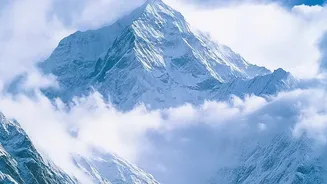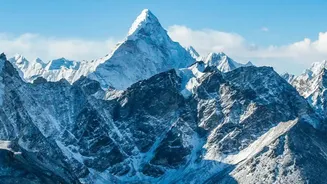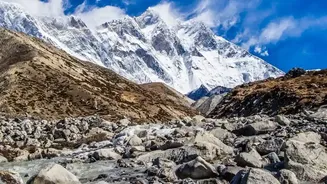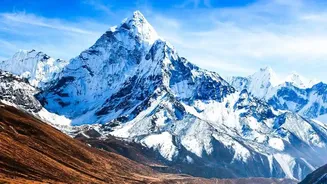





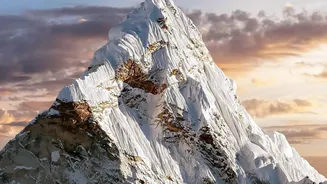
The Threat from Melting Ice
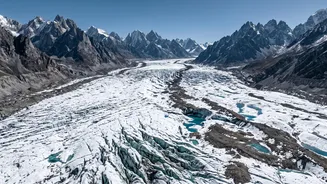
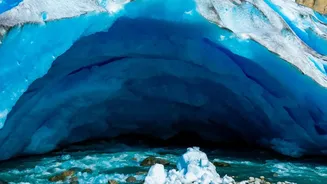
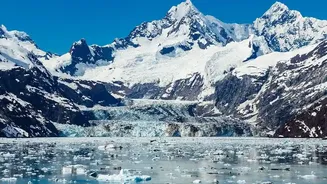
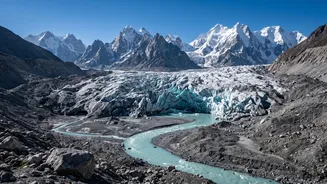
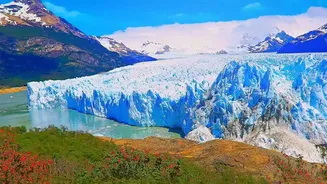
The primary danger comes from something called Glacial Lake Outburst Floods, or GLOFs. As glaciers melt, they create vast lakes, often dammed only by loose rock and debris left by the retreating ice. These natural dams are inherently unstable. An avalanche,
an earthquake, or even just the mounting pressure of the water itself can cause them to burst. When they do, they release an enormous wall of water, mud, and boulders that can travel dozens of kilometres downstream, destroying everything in its path. The Hindu Kush Himalaya region has experienced numerous such events, and with thousands of glacial lakes across the mountains, the potential for future disasters is immense.
What the Latest Science Shows
Recent scientific assessments paint a concerning picture. According to the International Centre for Integrated Mountain Development (ICIMOD), glacier melt in the Himalayas has accelerated sharply since the year 2000. A 2023 report noted that the region’s glaciers, snow, and permafrost are undergoing unprecedented changes. Studies have identified dozens of potentially dangerous glacial lakes across Nepal, India, and China that require close monitoring. In Nepal alone, reports have flagged over 20 lakes as being at high risk of a GLOF event. This rapid melting not only expands existing lakes but can also create new, unmonitored ones, adding a layer of unpredictability to the risk.
More Than Just Floods
While GLOFs are a major hazard, the instability extends beyond the lakes themselves. The warming climate is also thawing permafrost—ground that has been frozen for centuries. This frozen soil acts like a glue, holding mountain slopes together. As it thaws, entire rock faces can become weak and unstable, dramatically increasing the risk of rockfalls and landslides. A recent catastrophic event in August 2026, which started with a massive ice-rock avalanche near the Nepal-China border, demonstrated this danger. That event was not a typical GLOF but a cascading disaster, where a slope failure triggered a temporary river blockage and a subsequent devastating flood, highlighting the complex and interconnected nature of these mountain hazards.
The Human Cost and Response
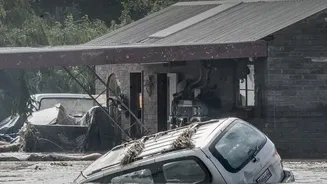
For the millions of people living in the river valleys downstream, these geological shifts pose an existential threat. The August 2026 floods claimed over a thousand lives in Nepal and left thousands more missing, wiping out homes, bridges, and critical infrastructure like hydropower plants. The disaster has exposed weaknesses in early warning systems, which are often optimised for monsoon floods rather than sudden, complex events originating high in the mountains. While authorities and organisations are working to install monitoring equipment and develop community preparedness plans, the sheer scale of the Himalayas makes this a monumental challenge. The risk is often transboundary, with a hazard originating in one country causing devastation in another, underscoring the urgent need for regional data sharing and cooperation.