







Why Food Safety on Trains Is a Unique Challenge
A train journey isn't like being at home. You lack refrigeration, a clean kitchen, and control over your environment. Food that is perfectly safe on your dining table can become a health risk after just a few hours in a warm train compartment. Bacteria
multiply rapidly in what food safety experts call the 'danger zone' — temperatures between 5°C and 60°C. A long train ride, especially in India’s climate, is a perfect incubator for foodborne illnesses if you are not careful. This is why a simple checklist isn't just helpful; it's essential for a safe and pleasant journey.
Checklist Part 1: Choose Travel-Friendly Foods
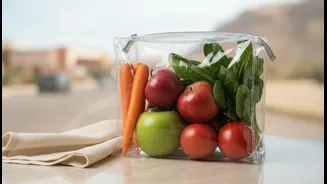
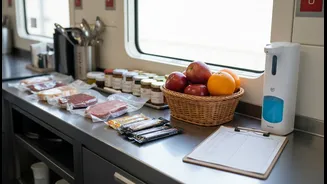
The first step to safe eating starts before you even pack. Opt for foods that are naturally resilient and have low moisture content, as they are less prone to spoilage. Good choices include dry and semi-dry items like theplas, puris, stuffed parathas, and dry sabzis. Items with less water content are less likely to grow bacteria. Consider packing roasted snacks like makhana (fox nuts), chivda, nuts, and seeds. Fruits with thick peels that you can wash and peel yourself, such as bananas and oranges, are also excellent, safe options. Avoid packing high-moisture foods like gravies, leafy salads, or dishes heavy on dairy, as they spoil quickly without refrigeration.
Checklist Part 2: Pack for Preservation
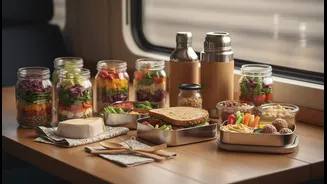
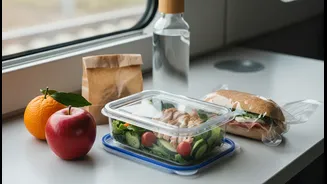
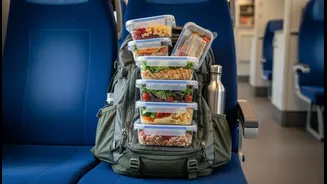
How you pack is as important as what you pack. Use airtight and leak-proof containers to prevent contamination and spills. This keeps your food protected from air and moisture. For anything that needs to be kept cool, even for a few hours, insulated bags or small coolers with ice packs are a great investment. It's also wise to pack your food in structured layers: heavier items at the bottom and lighter, ready-to-eat foods on top. Always keep cooked and raw foods separate to avoid cross-contamination. Don't forget to pack clean utensils, napkins, and wet wipes.
Checklist Part 3: Maintain Hygiene on the Go
Your hands are the primary vehicle for transferring germs. Always wash your hands thoroughly with soap and water before eating. If that’s not possible, a hand sanitizer with at least 60% alcohol is the next best thing. Try to use clean spoons or forks instead of eating with your hands directly, if possible, to further reduce risk. Hydration is key, but only with safe water. Stick to sealed, branded bottled water, like Rail Neer provided by IRCTC, or carry your own from home. Avoid ice in drinks unless you are certain it was made with purified water.
Checklist Part 4: Be Smart About Station and Pantry Food
While home-packed food is safest for the first leg of your journey, on longer trips you may need to buy food. If you purchase from station vendors, choose stalls that are busy and appear clean. High turnover often means fresher food. Opt for meals that are prepared hot and fresh in front of you. Heat is a powerful tool against bacteria. Be wary of items that have been sitting out at room temperature. For pantry car meals or e-catering, many services are now required to have an FSSAI license. Some stations are even certified as 'Eat Right Stations' by the FSSAI, indicating higher hygiene standards. Ordering from reputable e-catering partners can also be a more reliable option than unknown vendors.