



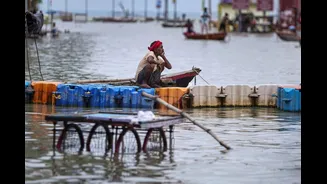
A River of Numbers
The situation in Varanasi is a matter of meters and centimeters. According to the Central Water Commission, the Ganga river, known locally as the Ganges, has surpassed its official warning level of 70.26 meters. As of Thursday morning, the water had reached
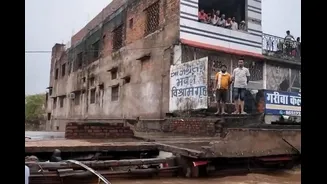
70.54 meters and was continuing to rise at a rate of about two centimeters per hour. While this is still below the designated “danger level” of 71.26 meters, the steady increase has put the city on a razor's edge. This isn't just a distant threat; for the thousands living in low-lying areas along the Ganga and its tributary, the Varuna, the water is already at their doorsteps. Low-lying agricultural lands and several residential areas have been submerged, forcing hundreds of families to flee their homes.
Where Life and Faith Meet the Water
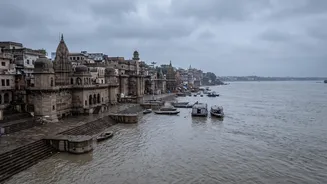
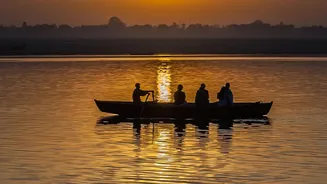
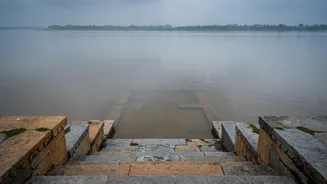
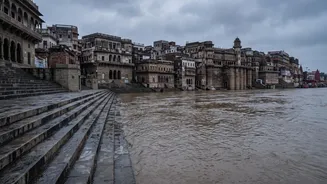
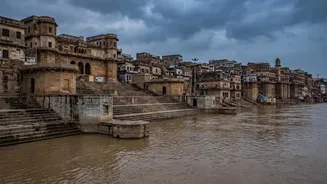
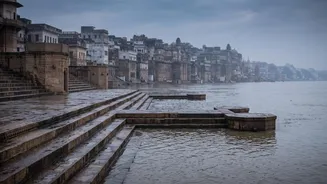
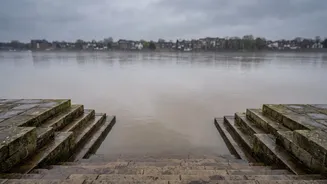
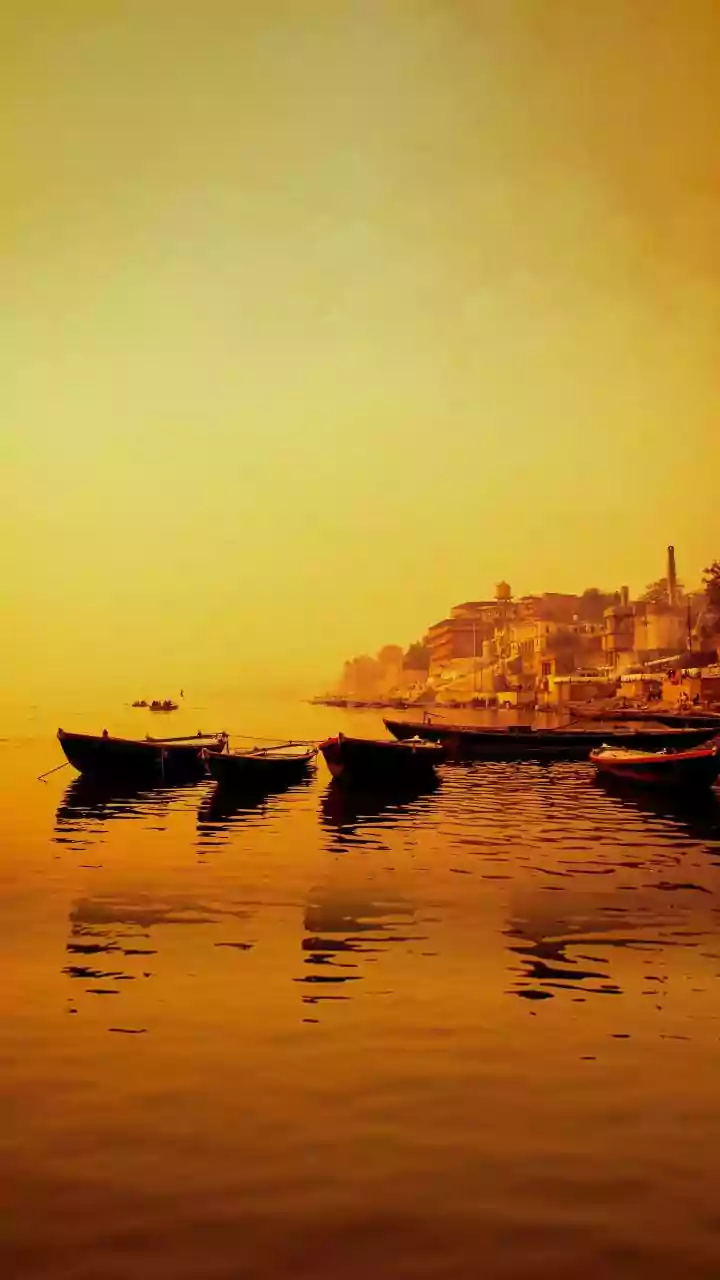
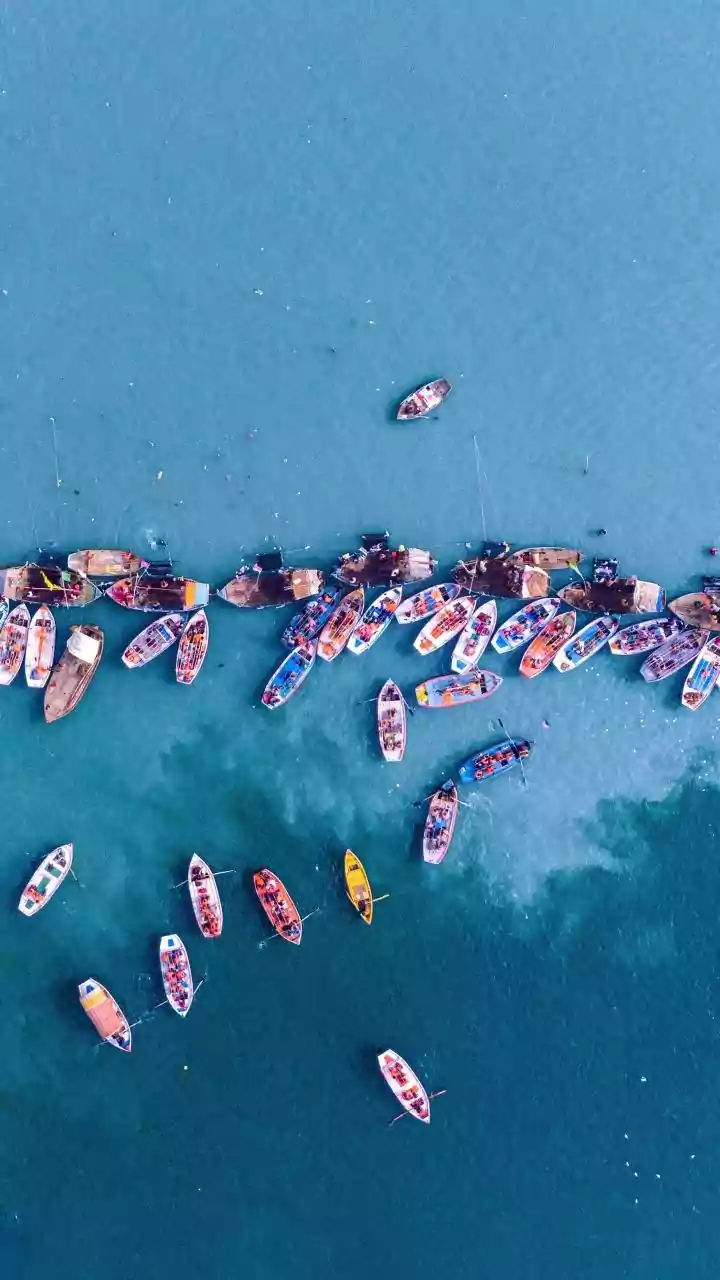
To understand the gravity of the situation, you have to understand Varanasi. The city's entire identity is built upon its 84 ghats—the long stretches of steps leading down to the river. These are not simply riverbanks; they are the heart of the city's public, economic, and spiritual life. On a normal day, they are a vibrant collage of activity: priests performing rituals, families bathing, vendors selling flowers, and boats ferrying pilgrims. Now, those steps are disappearing under murky, brown water. All boat operations have been suspended, paralyzing a key part of the local economy and cutting off a vital mode of transport. The famous evening prayer ceremony, the Ganga Aarti, has been forced to move to higher ground, a symbol of how the flood is pushing the city’s most sacred traditions from their rightful place.
The Disruption of Final Rites
Perhaps the most profound impact is on the rituals of death. Varanasi is a holy site where many Hindus believe that being cremated guarantees liberation of the soul. The main cremation grounds, Manikarnika and Harishchandra ghats, operate 24/7 on the river's edge. But with the floodwaters inundating these sacred spaces, these ancient rites have been severely disrupted. Mourners are forced to navigate knee-deep water and debris to reach the sites. In some cases, cremations are being performed on the rooftops of nearby buildings or on makeshift elevated platforms, a stark and difficult adjustment to a deeply held tradition. For families in mourning, the logistical nightmare adds another layer of grief as they struggle to perform last rites for their loved ones.
An All-Hands-On-Deck Response
Authorities are not standing by idly. The administration, including the National Disaster Response Force (NDRF), is on high alert. Relief camps have been established across the district, providing shelter, food, and medical care for hundreds of displaced families. Prime Minister Narendra Modi, who represents Varanasi in parliament, has been in contact with local officials, urging them to conduct relief operations on a “war footing” and ensure all necessary aid reaches those affected. Police are patrolling the submerged ghats, urging residents and pilgrims to stay away from the dangerous currents. With the meteorological department forecasting more heavy rain in the coming days, the city is bracing for the possibility that the situation could worsen before it gets better.