


A 'Rocket Revolution' Across the Nation
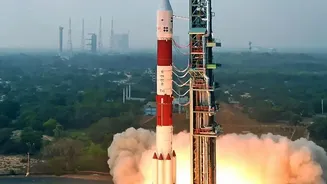
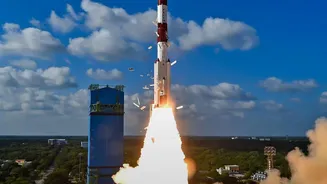
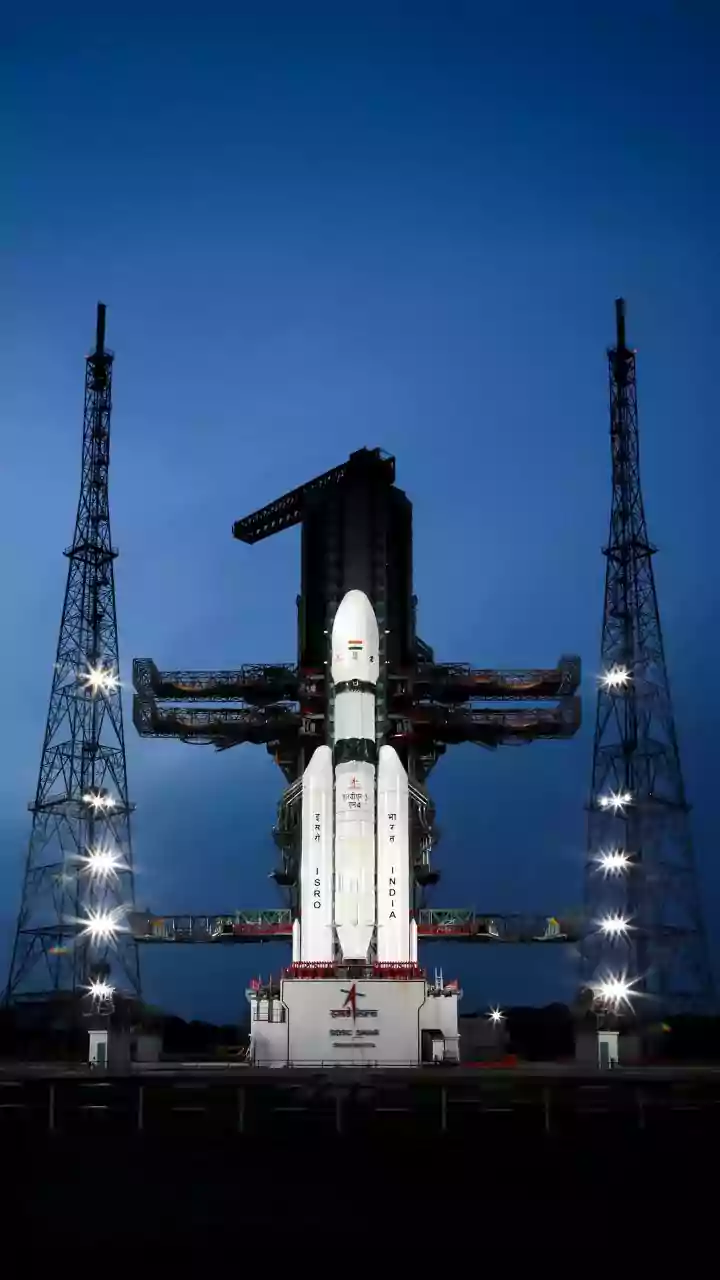
From October 4th to 10th, India is joining the global celebration of World Space Week, and the scale of public events is unprecedented. This year's theme, 'Rocket Revolution', focuses on how launch technology is transforming access to space, making it
cheaper and more frequent. Across the country, the Indian Space Research Organisation (ISRO) is leading the charge. Its major centres in Thiruvananthapuram, Bengaluru, and Sriharikota are hosting open houses, exhibitions, interactive lectures by scientists, and model rocketry competitions for students. In Kerala, for instance, ISRO centres are collaborating on a week-long series of events, including a public outreach program at the Kerala State Science and Technology Museum. These events are more than just displays; they are a concerted effort to demystify space exploration and make it a tangible part of the national conversation.
Inspiring the Next Generation of Stargazers
The core objective of this massive public outreach is to ignite curiosity and inspire the next generation. With a booming space economy projected to grow significantly in the coming years, India needs a robust pipeline of scientists, engineers, and innovators. By organising events like quizzes, poster competitions, and workshops in schools and universities, ISRO and other organisations are planting the seeds for future careers in STEM (Science, Technology, Engineering, and Mathematics). The activities are designed to show students that space is not a distant, abstract concept but a field ripe with opportunity. The 'Rocket Revolution' theme is particularly relevant, as it showcases the shift from purely government-led missions to a dynamic ecosystem where anyone with a great idea can potentially contribute.
The Rise of Private Players
This year's World Space Week is not just about ISRO. It's also a coming-out party for India's burgeoning private space sector. Since the government opened the sector to private participation in 2020, over 400 startups have emerged, working on everything from launch vehicles to satellite applications. The Indian National Space Promotion and Authorisation Centre (IN-SPACe) was established to nurture this ecosystem, and its efforts are on full display this week. Private companies like Skyroot Aerospace and Agnikul Cosmos, which are developing their own rockets, are actively participating in university outreach and public forums. These events provide a platform for startups to showcase their innovations, attract talent, and demonstrate to the public and investors that the future of Indian space exploration is a collaborative, public-private endeavour.
From a Closed Door to an Open Invitation
For decades, India's space program was perceived as a highly secure, government-only domain. While it produced incredible achievements, its inner workings remained largely opaque to the average citizen. This World Space Week signifies a profound cultural shift. The increased transparency and public engagement are direct results of a strategic policy to liberalise the space sector. The goal is to build a vibrant space economy, and that requires more than just government investment; it requires public enthusiasm, a skilled workforce, and a culture of innovation. By opening its doors and inviting the public in, the Indian space sector is transitioning from a state-run program into a national mission. This wider spotlight helps build crucial public support and ensures that as India reaches for the stars, the entire nation feels like a part of the journey.