


Beyond the Basics: Redefining 'Facility'
When we think of visitor facilities, basic amenities like clean toilets and comfortable lodging often come to mind. While essential, the modern tourism landscape demands a broader definition. Today, 'facilities' encompass everything from high-speed internet
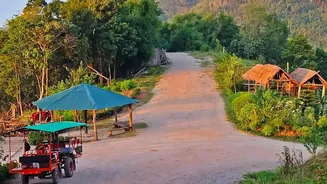
access and reliable mobile connectivity to well-maintained roads, clear signage, and safe recreational trails. For a rural tourism business, these elements are not just conveniences; they are the foundational infrastructure upon which a successful enterprise is built. Improved accessibility, for instance, doesn't just mean a tourist can reach a destination; it means they arrive less stressed and more willing to extend their stay and explore. This shift from basic comfort to a holistic, high-quality experience is what separates a fleeting visit from a memorable, five-star review that attracts future customers.
The Direct Economic Multiplier Effect
Investing in better facilities has a direct and measurable impact on revenue. Tourism is a powerful catalyst for job creation and can stimulate broad economic development. When visitors stay longer, feel more comfortable, and have more to do, they spend more. This spending creates a ripple effect, or a 'multiplier', across the local economy. A homestay that offers reliable Wi-Fi, for example, can attract digital nomads and remote workers who might book for weeks instead of days. This extended stay translates to more meals purchased at local eateries, more souvenirs bought from local artisans, and more fees paid for local tours and activities. Government data and tourism studies consistently show that improved infrastructure is a key driver of tourist footfall and spending in rural and remote regions. Essentially, every rupee invested in upgrading a facility can return multiples of that amount to the business and the surrounding community.
Digital Connectivity as the New Frontier
In today's hyper-connected world, digital infrastructure is as critical as physical infrastructure. For rural tourism businesses, robust internet access is a game-changer. It enables online booking systems, digital payment gateways, and targeted social media marketing, allowing small, remote operators to reach a global audience. Tourists now expect to share their experiences in real-time, and a lack of connectivity can be a major deterrent. Research highlights that while the digital divide remains a challenge, overcoming it with 5G and fibre connectivity allows for innovations like smart tourism apps, virtual previews of destinations, and AI-powered chatbots for instant guest support. These technologies not only enhance the visitor experience but also provide valuable data for businesses to understand tourist behaviour and preferences, leading to better service and more effective marketing.
Building a Sustainable and Reputable Brand
High-quality facilities are intrinsically linked to sustainable tourism. Well-planned infrastructure helps manage tourist flows, reducing environmental strain and preventing the negative impacts of over-tourism. For example, designated trails protect delicate ecosystems, while proper waste management systems ensure the natural beauty that attracts tourists in the first place is preserved. This commitment to sustainability is not just an ethical choice; it's a powerful marketing tool. Modern travellers are increasingly conscious of their environmental impact and actively seek out businesses and destinations that practice responsible tourism. By investing in eco-friendly facilities like solar-powered amenities or water conservation systems, a rural business can build a strong, positive brand reputation that attracts a discerning and often higher-spending clientele, ensuring the long-term viability of both the business and the environment it depends on.