






The Stark Numbers
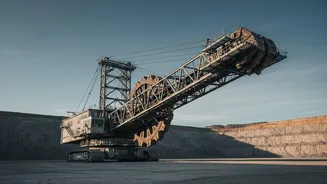
According to the Global Energy Monitor's 2026 'Global Coal Mine Tracker', proposed new coal mining capacity rose globally by 11% in the last year, and India is almost entirely responsible for this surge. The country nearly doubled its pipeline of proposed mines,
with the states of Jharkhand and Odisha leading the charge. This planned expansion aims to help meet an ambitious domestic production target of 1.15 billion tonnes of coal in the 2025-26 fiscal year. This contrasts sharply with other major players like China and Australia, where newly commissioned capacity has fallen dramatically. While the world saw new mine openings slow to a decade low, India's plans signal a starkly different path.
Energy Security Trumps All
The primary driver behind this coal push is a relentless focus on energy security. India's government is determined to fuel its rapid economic growth, reduce reliance on expensive imports, and provide stable, uninterrupted power to its industries and population. Coal currently generates over 70% of the nation's electricity, making it the bedrock of the power system. Surging electricity demand, intensified by more frequent and severe heatwaves, has put immense pressure on the grid. Officials see expanding domestic coal production as the most reliable way to ensure a stable baseload power supply, preventing energy shocks and supporting the country's ambition to become a global manufacturing hub.
A Tale of Two Energy Policies
The decision to expand coal capacity creates a fascinating paradox within India's energy policy. While digging deeper into coal, the country is also in the midst of a record-breaking expansion of renewable energy. India has been adding solar capacity at an unprecedented rate, with non-fossil fuel sources now accounting for over half of the total installed power capacity, a target met years ahead of schedule. Between early 2025 and mid-2026, India added nearly 80 GW of clean energy capacity, compared to just over 5 GW of fossil fuel capacity. This dual-track approach—walking the path of both coal and renewables simultaneously—reflects the immense challenge of powering a developing nation of 1.4 billion people. Renewables are meeting a growing share of new demand, but coal is seen as the essential stabilizer that renewables cannot yet replace.
Global Promises vs. Domestic Realities
This expansion of planned coal mining puts India in a difficult position on the world stage. It runs counter to the global trend and the scientific consensus that new coal projects must be halted to meet Paris Agreement climate goals. The new mines, if developed, could lock in decades of carbon emissions and significant methane release, a potent greenhouse gas. However, from a domestic standpoint, the government argues that energy security and economic development are non-negotiable. Furthermore, there is a push to use this domestic coal for processes like gasification to produce chemicals and reduce the country's massive import bill for LNG, ammonia, and methanol. This strategy highlights the fundamental tension between immediate national priorities and long-term global climate commitments, a dilemma India must navigate in the years ahead.