




The Simple Science of a Snip
When you take a cutting, you're tapping into a plant's incredible ability to regenerate. It all comes down to special cells and hormones. Plants contain undifferentiated cells, particularly at the nodes (the joints where leaves emerge), which can transform
into whatever the plant needs—in this case, roots. Severing a stem triggers a hormonal response. Root-inhibiting hormones, which are normally sent up from the existing root system, are cut off. At the same time, growth hormones called auxins concentrate at the cut, signaling the plant to start producing new roots, called adventitious roots. This process is why a simple piece of stem can sprout a whole new root system and become a self-sufficient plant.
Choosing the Right Plant and Cutting
While many plants can be propagated, some are famously easy for beginners. Vining plants like Pothos, Philodendron, and Monstera are fantastic candidates. Others like Snake Plants and succulents also root with little fuss. The key is to take a healthy cutting from a thriving parent plant. For most vining houseplants, you'll want a stem cutting that is 3-5 inches long and includes at least one or two nodes. Using sharp, sterilized scissors or pruners is crucial to make a clean cut and prevent introducing bacteria or disease. Be sure to remove the lower leaves from the cutting, as any leaves submerged in water or soil will rot and can ruin your propagation attempt.
Water vs. Soil Propagation
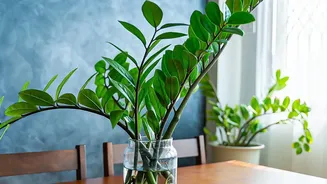
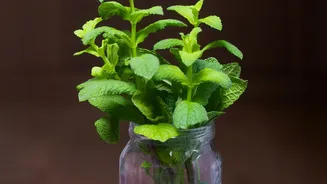
There are two popular methods for rooting cuttings: in water or directly in soil. Water propagation is often preferred by beginners because it's exciting to watch the roots grow day by day. Simply place your cutting in a jar of clean water, ensuring the node is submerged but the leaves are not. Change the water every few days to keep it fresh and prevent bacterial growth. Soil propagation involves planting the cutting directly into a rooting medium. While this avoids the shock of transferring from water to soil later, it requires maintaining consistent moisture without causing rot. For many common houseplants, a mix of peat moss and perlite is an excellent rooting medium because it holds moisture while allowing for good aeration. Many gardeners find soil propagation ultimately produces stronger, more adapted roots.
To Hormone or Not to Hormone?
Walk down any garden centre aisle and you'll find rooting hormone, a powder or liquid that contains synthetic auxins like IBA or NAA. This product gives your cuttings a concentrated hormonal boost to encourage faster and more robust root development. While it's not strictly necessary for easy-to-root plants like Pothos, it can significantly increase your success rate, especially with woodier or more difficult-to-propagate species. To use it, simply dip the cut end of your stem into the powder, tap off any excess, and plant it. Too much hormone can actually hinder root growth, so a light coating is all you need.
Patience and Next Steps
Propagation is not an instant process. Some plants, like Pothos, might show roots in a week or two, while others can take a month or more. During this time, place your cutting in a spot with bright, indirect light; direct sun can scorch a fragile cutting. If you've rooted your cutting in water, the time to transplant is when the new roots are about one to two inches long. Waiting too long can make the transition to soil more difficult, as water-grown roots are different and more fragile than soil-grown roots. When you move it to a pot, use a well-draining potting mix and keep the soil consistently moist (but not waterlogged) for the first few weeks to help the new plant establish itself.