






The Science of Spoilage: The 'Danger Zone'
The core issue lies in what food safety experts call the 'Temperature Danger Zone'. This is the temperature range between 40°F (5°C) and 140°F (60°C), where bacteria multiply at an alarming rate. In fact, populations of harmful bacteria like Salmonella
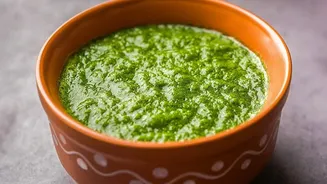
and E. coli can double in as little as 20 minutes within this zone. Every time you take your jar of chutney out of the refrigerator and leave it on the dining table or kitchen counter, you are inviting it into this danger zone. A fresh, water-rich condiment like green chutney, often made with raw ingredients like coriander, mint, and sometimes onions or garlic, is an ideal environment for this bacterial growth.
Why Temperature Cycles Damage Your Chutney
The real problem isn't just one instance of warming; it's the repeated cycle of warming up and cooling down. Each time the chutney cools, it passes slowly through the danger zone again, giving any surviving bacteria another opportunity to multiply. While reheating food to a high temperature of 165°F (74°C) can kill most active bacteria, it does not eliminate the heat-stable toxins that some bacteria, like Staphylococcus aureus, produce while they are growing. These toxins can cause food poisoning, leading to vomiting and diarrhoea, and they remain in the food even after it has been thoroughly reheated. Food safety authorities like the FDA and NHS generally recommend reheating leftovers only once to minimise this risk.
Beyond Safety: The Loss of Flavour and Nutrients
Beyond the significant safety risks, these temperature fluctuations also ruin the very qualities that make homemade chutney so special. Heat degrades delicate, water-soluble vitamins like Vitamin C and some B vitamins, which are abundant in fresh herbs. With each cycle, the vibrant green colour can fade to a dull, unappetizing shade, and the fresh, punchy flavours become muted. The texture can also suffer, potentially becoming watery or separated as cell structures in the ingredients break down. Exposure to air and fluctuating temperatures also leads to oxidation, which can cause undesirable changes in both taste and aroma.
The Smart Way: Proper Chutney Storage
The best way to keep your green chutney fresh, delicious, and safe is to avoid the warming-and-cooling cycle altogether. Instead of storing it in one large jar, portion it out immediately after making it. One of the most effective methods is to freeze the chutney in an ice cube tray. Once frozen, transfer the chutney cubes to a freezer-safe zip-lock bag. This allows you to take out only what you need for a single meal, whether it's one cube or several. You can thaw them in the fridge or on the counter just before serving. For short-term storage (a few days to a week), keep a small amount in an airtight glass jar in the coldest part of your refrigerator. This 'portion control' approach ensures the main batch remains safely frozen, away from the temperature danger zone.
When in Doubt, Throw It Out: Signs of Spoilage
Always trust your senses. If your chutney has been stored improperly or for too long, there will be tell-tale signs of spoilage. Be on the lookout for any fuzzy mould growth on the surface, which is a definitive sign to discard it immediately. Other indicators include an 'off' or fermented smell, a significant change in colour to dark brown or black, or any bubbling and fizzing, which suggests fermentation. If the taste is sour or simply not right, do not risk eating it. When it comes to food safety, the guiding principle should always be: when in doubt, throw it out.