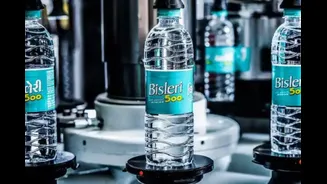








Recent news about a food safety action against a trusted brand like Bisleri created understandable concern. Now, the FSSAI has stepped in to clarify the situation, drawing a clear line between a localised issue and a nationwide scare.
The Spark: An Investigation in Goa
The issue began with
a food safety investigation focused on a single Bisleri manufacturing facility in Goa. The matter dates back to September 2025, when officials from the Food Safety and Standards Authority of India (FSSAI) collected samples from the plant. In the initial lab tests, one sample from a specific batch—identified as Batch GO 270—was found to contain bromate at a level of 12 micrograms per litre, slightly above the prescribed limit of 10 micrograms per litre. Following this finding, the FSSAI sanctioned prosecution against the company over what it termed 'unsafe' packaged drinking water, triggering the initial reports.
The Plot Twist: Conflicting Test Results
Bisleri appealed the initial findings, which is a standard part of the regulatory process. The sample was then sent to a referral laboratory for re-testing. This is where the details get more complex. The referral lab found that the bromate level was actually within the permissible limit. However, it separately detected the presence of another group of chemicals called polycyclic aromatic hydrocarbons (PAHs), and upheld the 'unsafe' classification based on this new finding. Bisleri has stated that it questioned these discrepancies, especially since another sample from the same batch reportedly cleared all parameters in re-testing. The company also arranged for an independent test at an FSSAI-approved lab, which found the bromate levels to be within limits.
FSSAI's Crucial Clarification
Amid growing confusion, the FSSAI issued an official clarification on November 23, 2026. The regulator confirmed that its action was limited only to Batch GO 270, manufactured at the Goa plant on September 27, 2025. This was a critical distinction. The regulator issued a prohibition of sale for that specific batch only and instructed the company to conduct a root cause analysis. Both Bisleri and the FSSAI have confirmed that the action was not a nationwide ban, nor was there any order to suspend operations at the Goa plant or any of Bisleri's other 142 facilities. The company produces over 50,000 batches annually, putting the scope of the issue into perspective.
Why This Clarification Matters
For a brand with the household recognition of Bisleri, any hint of a safety issue can cause widespread alarm. The FSSAI's clarification was essential to prevent a localised, batch-specific problem from being misinterpreted as a systemic failure of the entire brand. It highlights the checks and balances within India's food safety system, where findings are questioned, re-tested, and clarified. Both the regulator and the company have emphasised that the batch in question, manufactured over a year ago, is no longer in circulation in the market. The incident underscores the importance of precise communication in public health matters to maintain consumer trust without causing undue panic.
What Happens Next for Consumers?
The FSSAI has sanctioned prosecution, which allows legal proceedings to begin but is not a conviction. Bisleri has stated it will cooperate with the regulator and defend its position. In response to the incident, Goa's local Food and Drugs Administration (FDA) has intensified its surveillance and is collecting samples of various packaged drinking water brands sold in the state as a precautionary measure. For consumers, the key takeaway is that the regulatory system identified and isolated a potential issue to a single batch that is no longer being sold. This case serves as a reminder of the ongoing vigilance by food safety authorities to monitor products on the market.