


The Rise of a Viral Goo
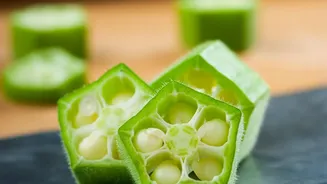
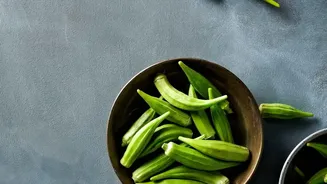
If you've scrolled through wellness-focused social media lately, you may have seen videos of people soaking chopped okra, also known as bhindi or lady's finger, in water overnight. The next day, the water transforms into a gel-like, viscous liquid. This
substance, dubbed "okra water," is being promoted as a natural, topical solution for everything from dryness and dullness to more significant skin irritation. The logic seems plausible at first glance. The gel, known as mucilage, is hydrating by nature and gives the impression of a soothing, natural serum. Fans of the trend claim it leaves their skin glowing, hydrated, and calm, but the real story is more complex than a simple DIY recipe can capture.
Okra: A Powerhouse on Your Plate, Not Your Face
There's no debate that okra is a nutritional powerhouse when you eat it. The vegetable is packed with vitamins A, C, and K, along with antioxidants, folate, and fibre. These components are fantastic for your overall health. Vitamin C, for instance, is crucial for collagen production, which helps maintain skin elasticity from the inside out. The antioxidants fight off free radicals that can lead to premature aging. However, benefits gained from digestion are very different from those of topical application. Nutrients that work wonders when processed by your gut don't necessarily have the same effect when slathered on your skin, which acts as a barrier.
What Science Says About Topical Use
Here's where the claims begin to fall apart. While okra mucilage is indeed hydrating and has shown some anti-inflammatory and antioxidant properties in lab studies, there is very limited research on its direct effects on human skin, especially for treating irritation or conditions like eczema. Some very early-stage research has explored using okra extracts in formulated cosmetic creams, but these are purified and stabilised in a lab—a world away from raw, homemade okra water. Directly applying raw plant extracts can be unpredictable. Without proper formulation, the beneficial molecules may not even penetrate the skin effectively enough to make a difference.
The Dermatologist's View: A Recipe for Risk?
Most dermatologists advise caution when it comes to DIY kitchen skincare. Dr. Ayesha Akinkugbe, a consultant dermatologist, has stated there is no evidence-based literature to support using okra for skin conditions like sunburn or wrinkles. One of the primary concerns is the risk of bacterial contamination. A homemade, water-based concoction without preservatives is a perfect breeding ground for microbes, which you would then be applying to already compromised, irritated skin. Another risk is allergic reaction. Just because an ingredient is "natural" doesn't mean it's universally safe for skin. Many people have sensitivities to plants that can cause contact dermatitis, making the initial irritation even worse. As one skincare expert advises, it's always best to consult a doctor before trying new wellness trends, especially if you have an existing medical condition.
Smarter Solutions for Irritated Skin
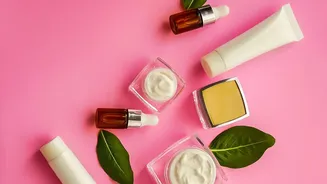
Instead of reaching for the okra, experts recommend turning to proven, gentle solutions for irritated skin. A simple cold compress can provide immediate relief from itching and reduce inflammation by constricting blood vessels. Over-the-counter products containing ingredients like colloidal oatmeal, aloe vera, zinc oxide, or calamine lotion are known for their soothing properties. For more persistent issues, a 1% hydrocortisone cream can be effective for short-term use. Look for moisturisers with ingredients like ceramides and hyaluronic acid to help repair the skin's natural barrier. Heavy creams, rather than thin lotions, are generally better at sealing in moisture. These options are formulated for stability, safety, and effectiveness—qualities that a homemade vegetable water simply can't guarantee.