


A New Blueprint for Travel
For decades, the great Indian holiday often involved long, arduous journeys that tested one's patience as much as they offered adventure. But a strategic push to build world-class infrastructure is changing that narrative. Ambitious programmes like the Bharatmala
Pariyojana for roads and the modernization of Indian Railways are not just about moving goods and people faster; they are about fundamentally redrawing the tourism map of the country. The core idea is simple yet powerful: by creating high-speed, reliable connections between major urban centres and tourist hotspots, the government is unlocking the immense potential of both popular and lesser-known destinations. This integrated approach aims to make travel more efficient, comfortable, and accessible for everyone.
The Expressway Effect
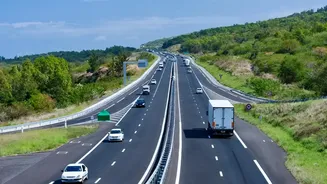
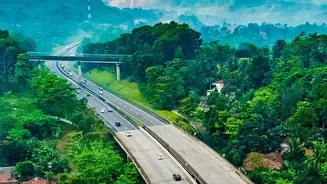
Nothing signifies this change more than the gleaming new expressways crisscrossing the nation. Projects like the Delhi-Mumbai Expressway, the Samruddhi Mahamarg, and the Bundelkhand Expressway are acting as powerful tourism corridors. For instance, a drive that once took the better part of a day can now be completed in a few hours, making weekend road trips a viable option for millions. The Bengaluru-Mysuru Expressway has slashed travel time to around 75 minutes, down from nearly three hours. These expressways are not just connecting cities; they are linking entire travel circuits. The Delhi-Mumbai Expressway, for example, brings destinations like Jaipur, Ranthambore, and Sariska into a single, drivable heritage and wildlife corridor. Similarly, the Samruddhi Mahamarg in Maharashtra connects pilgrimage centres like Shirdi and Nashik with the world-renowned Ajanta and Ellora caves, making multi-destination trips far more practical for travellers.
Riding the Rails to New Destinations
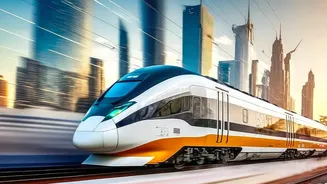
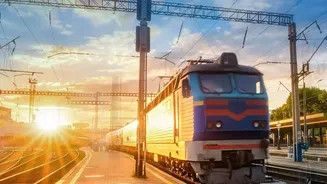
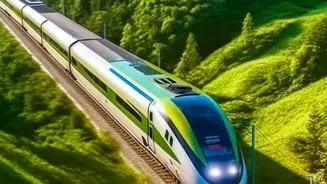
The transformation is equally dramatic on the railway network. The Vande Bharat Express, India's indigenous semi-high-speed train, has become a game-changer for tourism. With its network rapidly expanding to over 82 routes by August 2026, these trains are offering faster, more comfortable connections to key tourist hubs. The impact is particularly noticeable in pilgrimage tourism, with Vande Bharat services now providing enhanced access to sacred sites like Varanasi, Ayodhya, Tirupati, and Shirdi. Beyond speed, Indian Railways is also focusing on curated travel experiences. The Bharat Gaurav series of tourist trains operates on theme-based circuits, offering all-inclusive packages to explore India's rich cultural and religious heritage. These trains, some featuring luxury amenities, cover circuits like the 'Divine East Temple Tour' or connect multiple UNESCO World Heritage Sites, making complex itineraries simple and enjoyable for tourists.
Spreading the Benefits Beyond Tourist Hubs
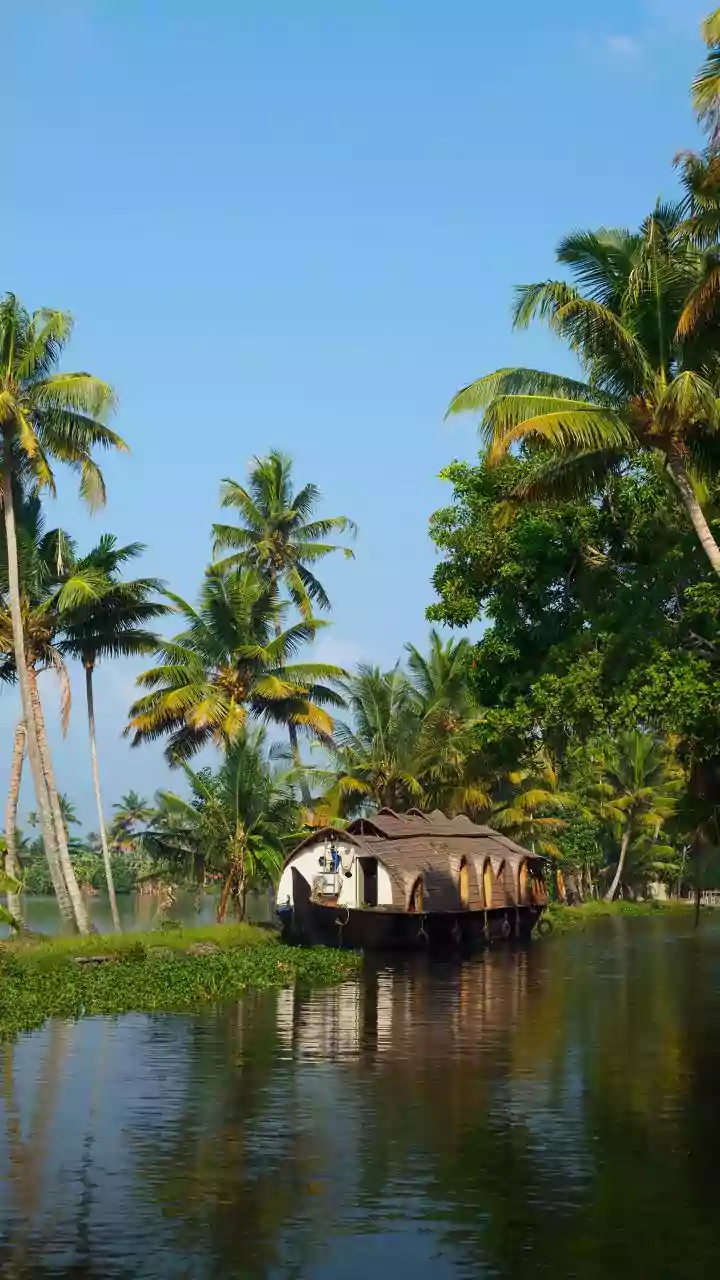
One of the most significant outcomes of this infrastructure boom is the decentralisation of tourism. For a long time, tourism in India was heavily concentrated in a few popular circuits like the Golden Triangle. Now, improved connectivity is encouraging travellers to venture further afield. Regions like Kashmir and the Northeast, previously constrained by long travel times, are seeing a surge in visitors. The new Vande Bharat service to Kashmir, for example, has been credited with a significant rise in tourist arrivals, benefiting local businesses from hotels to houseboat owners. This dispersal of tourists helps distribute economic benefits more evenly, creating jobs and supporting local economies in areas that were previously off the beaten path. By making it easier to explore the length and breadth of the country, this infrastructure drive is not just fueling tourism growth; it is helping more communities share in its prosperity.