

A Glimpse of a Fiery Visitor
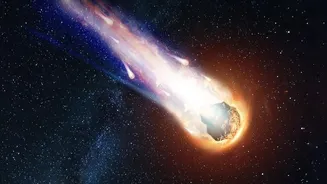
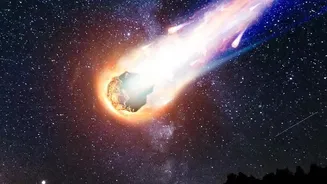
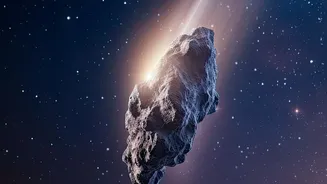
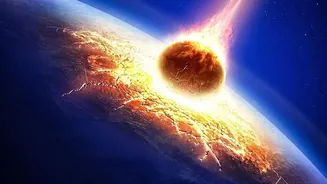
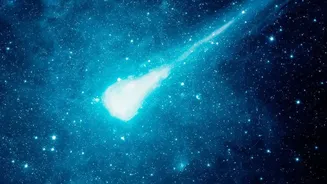
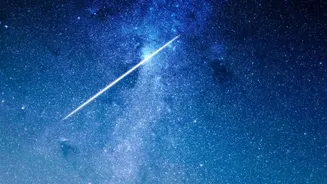
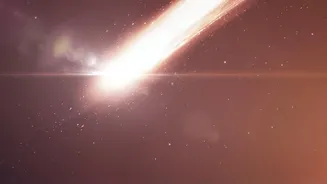
NASA has released a spectacular new photograph of a meteor, a fleeting visitor from space burning up in Earth's atmosphere. Captured by advanced observational equipment, the image provides an unusually clear view of the meteor's entry. While the public
marvels at the brilliant streak of light, often called a shooting star, the scientific community is buzzing for a different reason. For them, this picture is not just a pretty sight; it is a data-rich event that offers a rare chance to study an object from the depths of our solar system up close.
The Science of the Glow
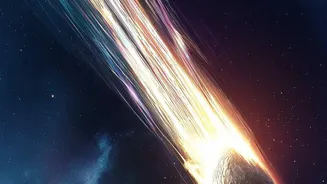
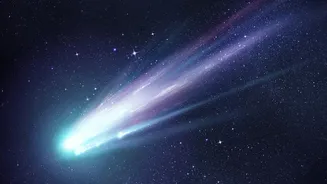
That brilliant glow is the key to everything. As a meteoroid, a small rock from space, hurtles through our atmosphere at incredible speeds, the friction with air molecules heats it to thousands of degrees. This intense heat doesn't just make the rock glow; it causes the minerals on its surface to vaporise, turning solid rock into a superheated gas. This gas, along with the ionised air around it, forms the bright trail we see. And locked within the light of that trail is a chemical fingerprint of the meteor itself.
Decoding the Cosmic Fingerprint
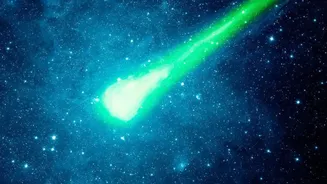
This is where the real detective work begins, a process known as spectroscopy. Scientists use instruments to split the light from the meteor's trail into its constituent colours, much like a prism creates a rainbow. Each chemical element, when vaporised and heated, emits light at very specific, unique wavelengths or colours. Iron glows with a certain set of colours, magnesium with another, and sodium with yet another. By analysing this spectrum of light, scientists can identify exactly which minerals were present in the rock as it burned up. This is what the headline means by “checking vaporising minerals” — it is a remote chemical analysis performed using light.
What Are They Looking For?
Scientists are hunting for clues about the meteoroid's origin and history. The relative amounts of elements like iron, magnesium, sodium, and silicates can help classify the meteor. For example, a high concentration of iron and nickel suggests it might be from the core of a larger, shattered asteroid. Other minerals can reveal if the parent body was a primitive, undifferentiated rock that has remained largely unchanged since the solar system's birth. These are the most prized finds, as they are effectively time capsules from over 4.5 billion years ago.
Why This Meteor Matters
Every meteor analysis adds a piece to the grand puzzle of our solar system's formation. These space rocks are leftover building materials from the creation of planets. Their composition tells us about the conditions in the early solar nebula, the giant cloud of gas and dust from which the Sun and planets were born. Some meteors, known as carbonaceous chondrites, even carry organic compounds and water-altered minerals, providing crucial evidence for how the essential ingredients for life might have been delivered to a young Earth. By studying the vaporised remains of this latest visitor, scientists continue to refine the story of our own origins, one fiery streak at a time.