






The 2013 Kedarnath Floods
A combination of a glacial lake outburst and a cloudburst created unprecedented flash floods in Uttarakhand, killing over 5,700 people and stranding more than 100,000 pilgrims and residents. The sheer scale overwhelmed the state. Warning systems were
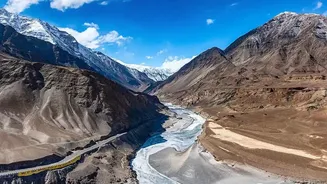
virtually non-existent for such a cascade of events. The response, led by the Indian Army and Air Force in 'Operation Surya Hope', became one of the largest helicopter-based rescues in history, but it was reactive. The disaster exposed a complete failure in proactive governance and led to a nationwide push for better forecasting, pre-positioning of response teams, and stricter regulation of construction in eco-sensitive zones.
The 2015 Nepal Earthquake
The magnitude 7.8 earthquake killed nearly 9,000 people and flattened entire villages. While no early warning for the quake itself was possible, the event tested international rescue coordination on a massive scale. India was the first responder, launching 'Operation Maitri' within hours. Indian Air Force and Army teams, along with the National Disaster Response Force (NDRF), evacuated thousands of Indian citizens and foreign nationals. The operation demonstrated India's growing capability as a regional disaster-relief provider but also highlighted challenges in reaching remote mountain communities where infrastructure had completely collapsed.
The 2021 Chamoli Glacier Burst
A massive rock and ice avalanche triggered a flash flood in Uttarakhand’s Rishiganga and Dhauliganga valleys, killing over 200 people and destroying two hydropower projects. Unlike the slow build-up in 2013, this was a sudden, high-velocity event. It tested the rapid deployment capabilities of agencies like the ITBP and NDRF. Rescue efforts were a race against time, focusing on workers trapped in tunnels filled with slush. The disaster underscored warnings scientists had made for years about the risks of building large infrastructure in fragile periglacial zones and the urgent need for real-time monitoring of Himalayan glaciers.
The 2023 Joshimath Land Subsidence
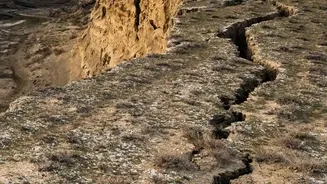
This was a slow-burn disaster. The gradual sinking of land in the pilgrimage town of Joshimath saw hundreds of homes develop major cracks, forcing mass evacuations. It wasn't a test of emergency rescue but of preventative governance and rehabilitation. Investigations pointed to decades of unplanned construction on unstable ancient landslide debris, compounded by infrastructure projects like tunnelling. The crisis exposed the failure to enforce building codes and respect geological warnings, forcing a painful conversation about the carrying capacity of Himalayan towns and the need for risk-based urban planning.
The 2011 Sikkim Earthquake
This 6.9 magnitude earthquake caused immense damage, with widespread landslides cutting off North Sikkim entirely. The primary test here was not just rescue, but access. Roads, the lifelines of the mountains, were completely blocked, hampering ground relief efforts. The Indian Army and Air Force helicopters became the only means of reaching stranded tourists and villagers. The NDRF was also airlifted in. The event revealed deep vulnerabilities in communication and transport infrastructure, prompting a long-term strategy in the state to build more resilient roads and strengthen community-level preparedness.
The 1991 Uttarkashi Earthquake
Striking in the early morning hours, this 6.8 magnitude quake killed at least 768 people and destroyed thousands of traditional stone houses. In 1991, India's disaster management apparatus was still nascent. Rescue and relief were severely hampered by landslides that blocked roads, making access to remote villages incredibly difficult. The army and paramilitary forces were deployed, but coordination was a major challenge. The response was criticised for being slow and disorganised in the initial days. This event, along with others in the 1990s, served as a crucial, if tragic, impetus for creating a more formalised and professional national disaster response system.
The 1998 Malpa Landslide
In the middle of the night, an entire mountainside collapsed onto the village of Malpa, wiping it off the map and killing over 200 people, including Kailash Mansarovar pilgrims. Rescue was nearly impossible. The area was accessible only by air and on foot, and relentless monsoon rains grounded helicopters for days. When teams from the ITBP and Army finally reached the site, they worked with bare hands and minimal equipment in treacherous conditions. Malpa became a symbol of the helplessness of rescue systems when faced with the raw power of nature in an inaccessible location, highlighting the absolute necessity of identifying and avoiding such high-risk zones altogether.