



The Solo Cooking Dilemma
If you're cooking for one, you already know the struggle. Most recipes are designed to serve four or more people, and grocery stores often sell produce in family-sized packaging. This mismatch frequently leads to a fridge full of wilting vegetables and a sense
of guilt over wasted food and money. Halving a standard recipe seems like the obvious solution, but it isn't always straightforward. The cooking time, seasoning, and even the pan size might need adjustments you don't have the time to figure out. This can result in meals that are not quite right, and the monotony of eating leftovers for several days can take the joy out of a home-cooked meal.
Embrace the Half-Batch Strategy
Enter the concept of 'half-batch' cooking. This isn't about making a huge pot of food to last the week, but rather intentionally preparing smaller portions. Think of it as cooking just enough for one or two servings. The real magic happens when you pair this approach with shared ingredients. Instead of planning one meal at a time, you plan two or three different meals around a few core components. For example, a whole cauliflower can feel daunting for one person. But if you plan to use half for a roasted cauliflower sabzi and the other half for gobi parathas, suddenly the purchase makes perfect sense. This method ensures variety in your diet while making your grocery shopping incredibly efficient.
The Power of Ingredient Pairing
The core of this strategy is to pick a 'hero' ingredient for a few days and build different meals around it. Let's say you buy a block of paneer. On Monday, you could make a simple paneer bhurji for a quick dinner. On Wednesday, you can use the remaining paneer to create a flavourful paneer tikka wrap. The same logic applies to vegetables and dals. A bunch of spinach can be used in a palak dal one night and then blended into a green chutney or added to a morning omelette the next. This mix-and-match system keeps your meals interesting. You get the cost-saving benefit of buying a full-sized item without the boredom of eating the exact same dish repeatedly.
A Sample Paired-Ingredient Plan
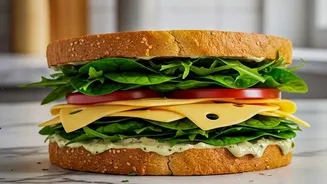
Here’s how a simple plan could look. Start with two versatile vegetables, like tomatoes and onions, and a protein, like chickpeas. Your first half-batch meal could be a classic chana masala, using half of your ingredients. This gives you a satisfying, home-cooked dinner. For your second meal a day or two later, you can use the remaining tomatoes, onions, and chickpeas to create a completely different dish. Sauté the onions and tomatoes to make a base, then toss in the chickpeas with some different spices and fresh coriander for a warm chickpea salad. Or, mash the chickpeas with the sauteed base to make a filling for a delicious sandwich. By changing the spices and preparation method, the same core ingredients yield two unique experiences.
Smart Shopping and Storage
This cooking style naturally leads to smarter shopping. Before you head to the store, take a quick inventory of your kitchen to see what needs to be used up. Plan your paired meals for the week, then create a shopping list and stick to it. Whenever possible, buy loose fruits and vegetables so you can purchase the exact quantity you need. Your freezer is also an essential tool. You can cook a full batch of dal or rice, then freeze single-serving portions. This saves you time on busy nights. For fresh herbs like coriander, which often wilt quickly, you can chop them up and freeze them in an ice cube tray with a little water to preserve them for future use.