







The Tyranny of the Overstuffed Itinerary
Many of us travel with a sense of frantic urgency. We build packed itineraries designed to extract maximum value, moving from one landmark to the next, phone in hand, documenting everything but experiencing very little. This approach transforms a journey
into a checklist, where the goal becomes coverage rather than connection. You see the sights, but you don't truly feel the place. Safaris feel rushed when they are designed this way, with too many destinations packed into too few days. The result is often exhaustion, a feeling of being constantly in transit, and memories that blur together. But a South African safari offers a powerful antidote, not by adding more, but by demanding less.
Surrendering to the Rhythm of the Bush
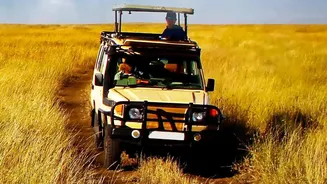
On safari, your schedule is no longer your own; it belongs to the wilderness. The day typically begins before dawn, with a wake-up call around 5 a.m. This early start isn’t for efficiency, but because the animals are most active in the cool hours of the morning. You embark on a game drive, not with a destination, but with a purpose: to observe. The hours are spent tracking footprints, listening for alarm calls, and waiting patiently. The afternoon brings a mandated period of rest during the midday heat, a siesta for animals and humans alike. The day’s second adventure begins in the late afternoon as the air cools, culminating in the cherished tradition of a “sundowner”—drinks and snacks enjoyed at a scenic spot as the sun sets. This simple, twice-daily rhythm forces you to slow down and sync with the natural world.
Learning to See, Not Just Look
A rushed travel style encourages superficial looking. You snap a photo of a landmark and move on. A safari, however, teaches you to see. The art of spotting a leopard draped over a branch or hearing the rustle that signifies a nearby elephant requires deep, focused attention. You're not just a passenger; you become an active participant in a search. Your guide doesn’t just point out animals; they interpret their behavior, explain their role in the ecosystem, and tell the stories written in the tracks on the ground. This immersive process is a form of mindfulness. It pulls you firmly into the present moment, making it impossible to worry about emails or deadlines. You learn that the most rewarding moments often come from patient waiting, not constant action.
The Luxury of Unplugging
Safari lodges are often located in remote areas where Wi-Fi is either limited or intentionally absent. While initially jarring for some, this forced disconnection becomes a core part of the experience. Without the constant buzz of notifications, you’re free to connect with your surroundings and the people you’re with. The downtime between game drives is not for catching up on work, but for reading a book, taking a nap, or simply sitting and listening to the sounds of the bush. Conversations around the dinner table or campfire feel more engaging. This digital detox allows your mind to reset, replacing the clutter of modern life with the profound tranquility of the wild.
An Experience You Carry With You
A safari is more than a vacation; for many, it's a perspective-shifting experience. It teaches you that the most memorable moments in travel—and in life—are often the unscripted ones. It’s the unexpected sight of a lioness leading her cubs, the sound of hippos grunting in a nearby river at night, or the sheer brilliance of a star-filled sky far from city lights. This slower, more deliberate way of experiencing the world doesn't always stay in Africa. It can follow you home, changing not only how you plan future trips but also how you appreciate the quiet moments in your everyday life. You learn to value depth over breadth, presence over productivity.