




A Glimpse into the Dawn of Trade
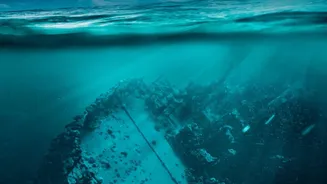
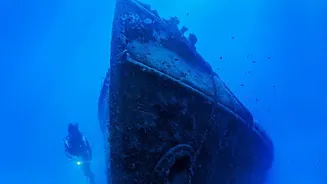
Archaeologists have unearthed the cargo of a merchant ship that sank nearly five millennia ago, around the same time the Great Pyramids of Giza were being built in Egypt. While the ship's wooden hull has long since disintegrated, its contents remain remarkably
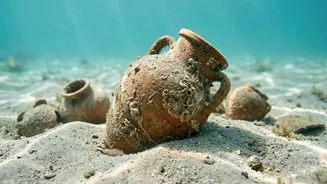
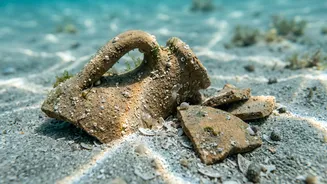
preserved. More than 30 large ceramic jars, known as amphorae, and three stone anchors were found scattered across the rocky seabed off the coast of Antalya. This find, announced in October 2026 by Turkey's Ministry of Culture and Tourism, pushes back our understanding of complex, long-distance trade in the Mediterranean. It predates the previously oldest known wreck, found off the Greek island of Dokos, by several hundred years.
The Cargo Tells a Story
So, what was this ancient vessel carrying? The distinctive shape of the amphorae—with two handles and a flat base—is the key clue. This style is characteristic of pottery from the Early Bronze Age. Analysis of the clay suggests the jars were likely made in workshops in the Jordan Valley, a region known today as part of Jordan and Israel. Researchers believe they were filled with valuable commodities like olive oil or wine. Astonishingly, some of the jars still contain a viscous residue of their original contents, which scientists are now analysing. The discovery of similar pottery at sites in Egypt, Troy, and Minoan Crete indicates that this small ship was part of a vast and sophisticated trade network connecting the far corners of the ancient world.
Reconstructing an Ancient Voyage
Based on the cargo's origin and the wreck's location, archaeologists have pieced together a likely scenario. The ship, estimated to have been about 10 metres long, probably began its journey from a port in the Levant. It was likely sailing west along the treacherous southern coast of Anatolia, perhaps with a final destination of Troy or Crete, when it met its end near Kekova. The presence of three stone anchors also tells a story of preparation for long voyages. One particularly intriguing find is a ceramic vessel with nine symbols and two holes, which may have served as a churn. This has led to the fascinating hypothesis that sailors may have kept live goats on board to make fresh butter or cheese during their long journeys.
Rewriting Maritime History
For years, our most detailed picture of Bronze Age maritime trade came from famous Late Bronze Age wrecks like Uluburun and Cape Gelidonya, which sank more than a thousand years after the Kekova ship. Those ships carried immense wealth in raw materials like copper and tin. This new discovery provides a crucial 'missing piece' of the story, showing that extensive international trade was already happening much earlier. It demonstrates that sailors in the Early Bronze Age were not just hugging the coastlines but were undertaking ambitious open-sea voyages, connecting diverse cultures and economies. This single shipwreck is a powerful testament to the deep-rooted history of globalised trade, driven by human ingenuity and the timeless demand for goods from faraway lands.