


A Familiar Form, A World Away
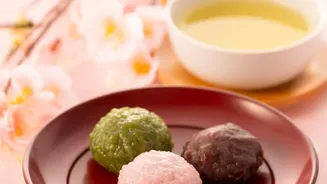
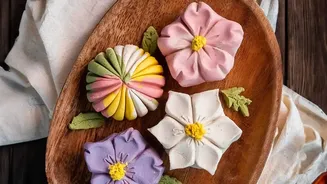
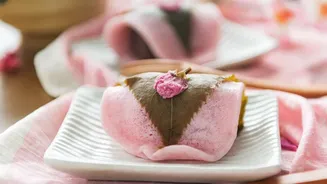
The sweet in question is not one single entity but a category of traditional Japanese confections known as wagashi. Specifically, certain hand-sculpted wagashi, such as 'Nerikiri' or 'Kiku' (chrysanthemum-shaped) sweets, share a striking visual resemblance
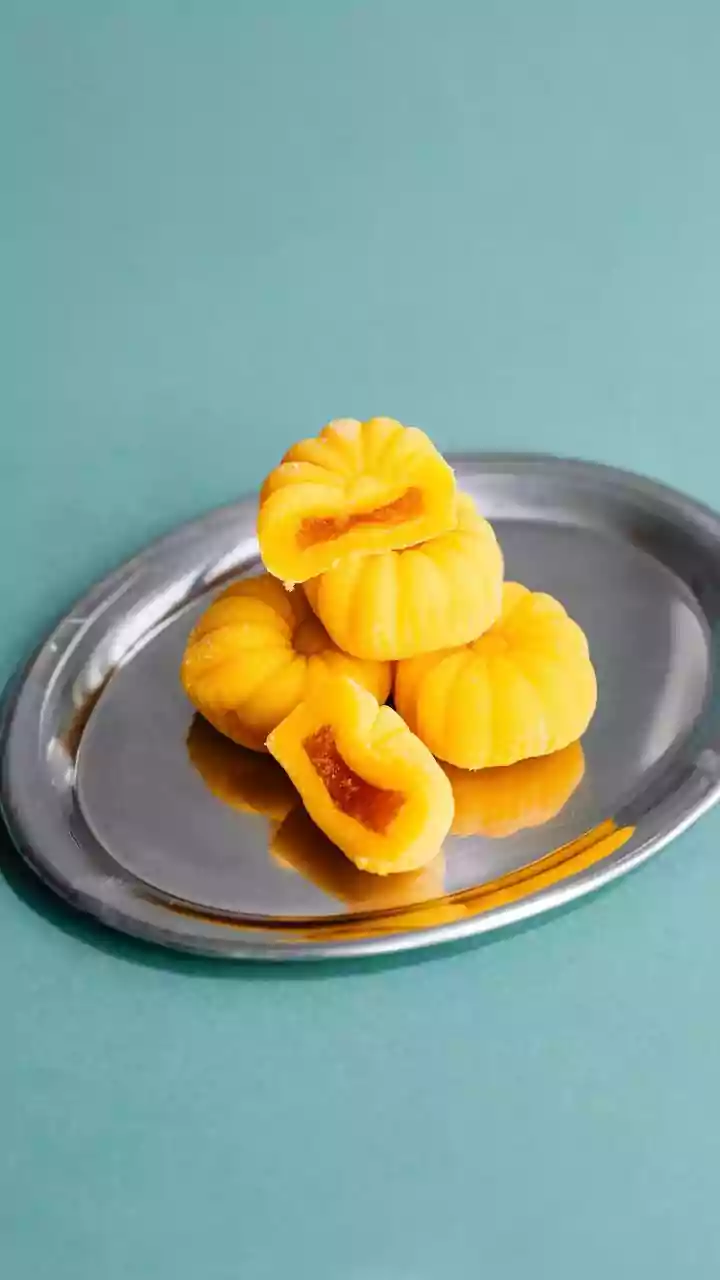
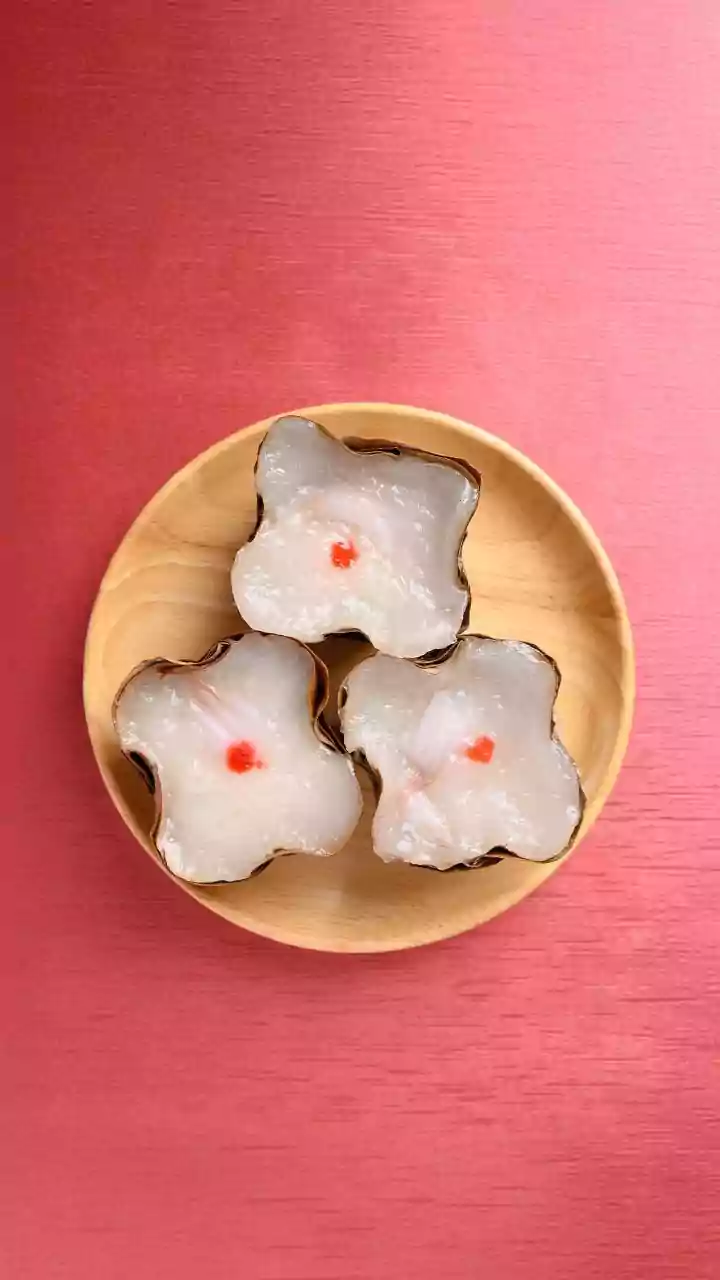
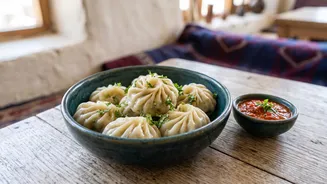
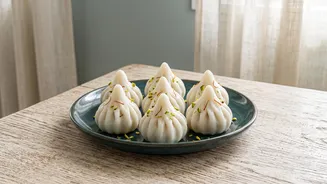
to the Indian modak. Both are small, intricately shaped dumplings designed to be held in the palm. The delicate folds that crown a steamed modak find an aesthetic echo in the meticulously crafted petals of a Kiku wagashi, which is made to symbolise autumn. This visual parallel is a fascinating case of culinary convergence, where two distinct cultures arrived at a similar design language for their most cherished sweets. However, this is where the most obvious similarity ends.
The Heart of the Modak
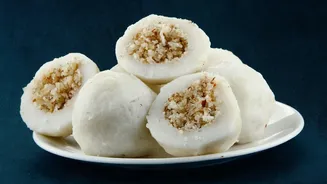
To understand the difference, we must first look inside. The quintessential Indian modak, particularly the steamed variety known as 'Ukadiche Modak', has a very specific and beloved filling. It consists of freshly grated coconut cooked down with jaggery, creating a moist, aromatic, and distinctly sweet mixture. This filling is often spiced with hints of cardamom or nutmeg, lending it a warm, festive flavour. The outer shell is a soft, pliable dough made from rice flour and water, which is steamed to a delicate finish. This combination is central to its identity as a 'prasad' or offering to Lord Ganesha, for whom it is considered a favourite.
Inside its Japanese Counterpart
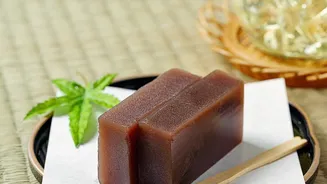
Wagashi, on the other hand, is built around an entirely different core ingredient: sweetened bean paste. The most common filling is 'anko' (also called 'an'), made from boiled and sweetened azuki red beans. Another popular variant is 'shiro-an', a smoother, milder paste made from white beans. The outer casing of a nerikiri wagashi is also made from shiro-an, mixed with a small amount of glutinous rice flour ('shiratamako') or a mochi-like confection ('gyuhi') to create a pliable, clay-like dough that can be coloured and intricately sculpted. The flavour profile is more subtle, earthy, and less intensely sweet than a modak's coconut-jaggery heart. A related sweet, known as Kangidan, is even more directly linked to Ganesha's Japanese equivalent, Kangiten, and uses a filling of red bean paste, honey, and curds before being deep-fried.
The Art of Preparation
While both sweets require skilled hands, the philosophy behind their creation differs. Making modaks is a craft of festive tradition, where families often gather to pleat the dumplings by hand. The focus is on creating a perfect offering. Wagashi-making is considered a high art form, deeply connected to aesthetics and precision. Artisans use special tools to sculpt nerikiri into designs that reflect the current season—cherry blossoms in spring, maple leaves in autumn. This artistry is not just for show; it's a fundamental part of the experience, designed to be appreciated visually before being eaten. The goal is to create an edible piece of art that captures the transient beauty of nature.
A Tale of Two Occasions
Perhaps the biggest difference lies in their cultural roles. The modak is inextricably linked to devotion and celebration, primarily during the festival of Ganesh Chaturthi. An offering of 21 modaks is a key ritual, symbolising wisdom and spiritual reward. Its very name is derived from 'moda', meaning joy or bliss. Wagashi serves a different, quieter purpose. It is traditionally served alongside matcha in the Japanese tea ceremony ('chanoyu'), where its subtle sweetness is designed to complement the bitterness of the green tea. Each sweet is a meditation on the season, a gesture of hospitality, and an expression of the Japanese aesthetic philosophy of 'wabi-sabi'—finding beauty in imperfection and impermanence.