






A Sweeter, Longer Season
The traditional mango season in India typically winds down by the time monsoon rains arrive. However, a recent development spearheaded by the Agricultural and Processed Food Products Export Development Authority (APEDA) is set to change that narrative.
By focusing on late-season mango varieties from Karnataka, APEDA has successfully facilitated the first-ever air shipment of these fruits to the Maldives, effectively extending the export season beyond its usual peak. This initial one-metric-tonne consignment marks a significant milestone, opening up new international markets and creating a blueprint for future growth.
Meet the Late Bloomers
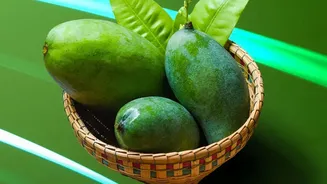
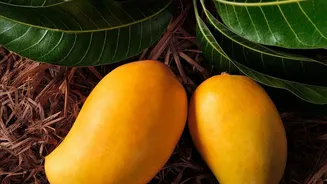
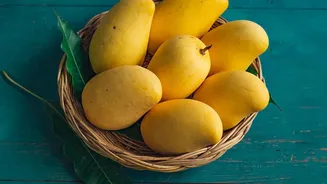
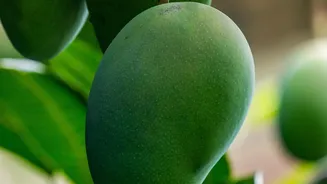
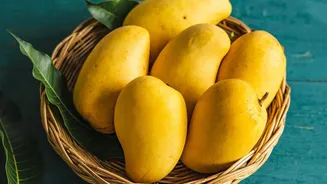
The stars of this extended season are the Neelam and Totapuri mangoes. Both varieties are harvested from late June through the end of July, a period when many other popular mango types are no longer available. Neelam is celebrated for its sweet, juicy pulp and rich aroma, making it perfect for desserts and beverages. Totapuri, easily recognizable by its distinctive parrot-beak shape, offers a delightful sweet-tangy flavour and is versatile enough for both fresh consumption and processing into pulp. By promoting these varieties, India can cater to global demand long after the traditional peak season has passed.
The Air Freight Advantage
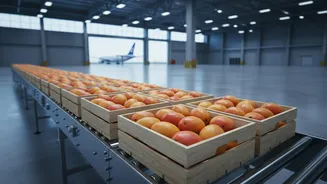
Getting these perishable fruits to international markets in prime condition is a major logistical challenge. This is where air freight becomes a game-changer. While sea freight is common for more durable goods, the speed of air transport is essential for delivering fresh mangoes that retain their taste and texture. The recent shipment to the Maldives highlights the growing potential of using air routes to connect Karnataka's horticultural sector with consumers worldwide. This method ensures that the quality premium of Indian mangoes is maintained from the farm to the foreign market shelf, a crucial factor for fetching better prices.
Economic Ripple Effects
This initiative is more than just about exporting fruit; it's about transforming lives at the grassroots level. The mangoes for the inaugural shipment were sourced directly from farmers associated with the Prakruthimaya Farmers Producer Company Ltd. in Kolar district. By cutting out intermediaries, this direct farm-to-market linkage has resulted in farmers realizing over 50 per cent higher financial returns compared to selling through conventional domestic channels. Furthermore, the export was executed by a newly registered woman entrepreneur, highlighting the growing role of women in India's agri-export ecosystem. Union Minister for Commerce and Industry, Piyush Goyal, noted that this milestone unlocks significant new opportunities for the state's growers and agri-entrepreneurs.
Challenges and The Road Ahead
While this is a promising start, the path to scaling up has its challenges. Karnataka's mango production has faced volatility in recent years due to climatic factors like erratic rainfall and extreme temperatures, which can affect flowering and yield. Production costs and the availability of processing infrastructure are also key concerns for farmers. However, the success of this first air shipment provides a powerful proof of concept. APEDA plans to continue working with state governments to bolster export infrastructure and expand global market access. For Farmer Producer Companies, this model of organised aggregation and direct export provides a clear path towards sustainable income growth and greater participation in the global marketplace.