



A Surprising Gain in Height
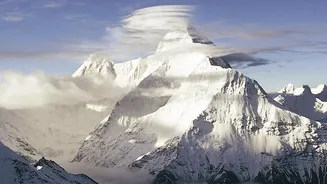
A team of expert surveyors recently revealed that Mont Blanc stands at 4,807.47 metres. This is a notable increase of almost two metres from its last official measurement in 2023, which was 4,805.59 metres, the lowest recorded since modern surveys began
in 2001. This fluctuation might seem surprising, especially after a decade-long trend of the summit generally shrinking from its peak height of 4,810.90 metres recorded in 2007. However, as Jean des Garets, chief geometer for France's Haute-Savoie region, explains, the summit is in 'constant motion'. These biennial measurements, conducted since 2001, are part of a long-term project to understand the Alps.
The Tale of Two Summits
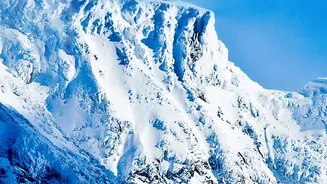
The key to understanding this paradox lies in a simple fact: Mont Blanc has two summits. There is the permanent, solid rock peak, and then there is the official summit, which is the top of a thick cap of ice and snow that covers it. The mountain's rock summit is stable, measuring around 4,792 metres above sea level. What changes is the thick blanket of 'eternal snow' on top, which can be anywhere from 15 to over 20 metres thick. The height we read about in the news is the top of this ice cap, not the rock underneath. So, when surveyors announce a new height for Mont Blanc, they are really measuring the top of its snowy hat.
A Summit Shaped by Wind and Snow
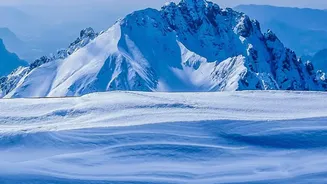
The height of this snow and ice dome is not static; it's a dynamic feature sculpted by weather. The primary factors are precipitation and high-altitude winds. In years with heavy snowfall, the cap grows thicker, increasing the mountain's overall height. Conversely, in years with less snow and more wind, the summit can lose volume, causing the official height to drop. Think of it like a giant snow dune at an altitude where temperatures remain polar. The amount of accumulation versus erosion over the course of a year determines whether the peak 'grows' or 'shrinks' when the surveyors arrive. This explains why the height can fluctuate by several metres between measurements.
Is Climate Change a Factor?
It is tempting to link these yearly fluctuations directly to climate change, but scientists urge caution. While the broader Alpine region is seeing a dramatic loss of glacial ice due to warming temperatures, the situation at Mont Blanc's summit is more complex. Glaciologists note that the year-to-year changes in the summit's height are primarily driven by short-term weather patterns, not the long-term climate trend. A single measurement showing an increase in height does not contradict the well-documented retreat of Alpine glaciers at lower altitudes. To draw firm conclusions about how climate change is affecting the summit's snowpack, scientists say they need decades of consistent data, which is precisely why these regular measurement expeditions are so crucial.