

Meet the New Heavyweight Champion
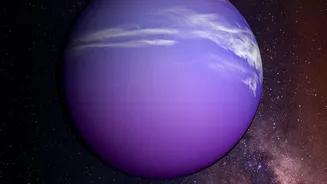
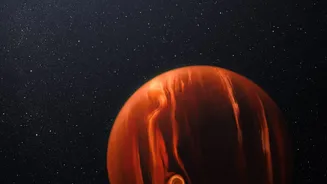
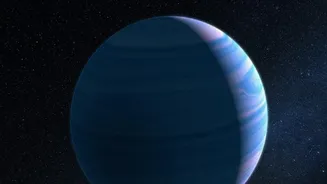
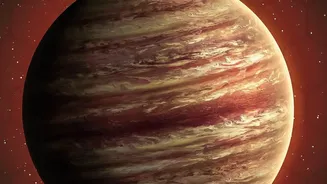
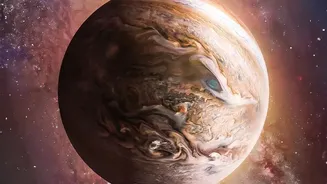
Astronomers have named the newfound world Beta Pictoris d. Located about 63 light-years from Earth, it orbits a young star that has been a subject of intense study for decades. This system was already known to host two other massive planets, but the addition
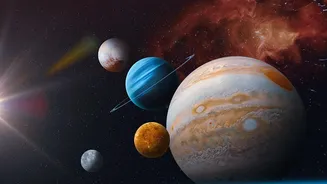
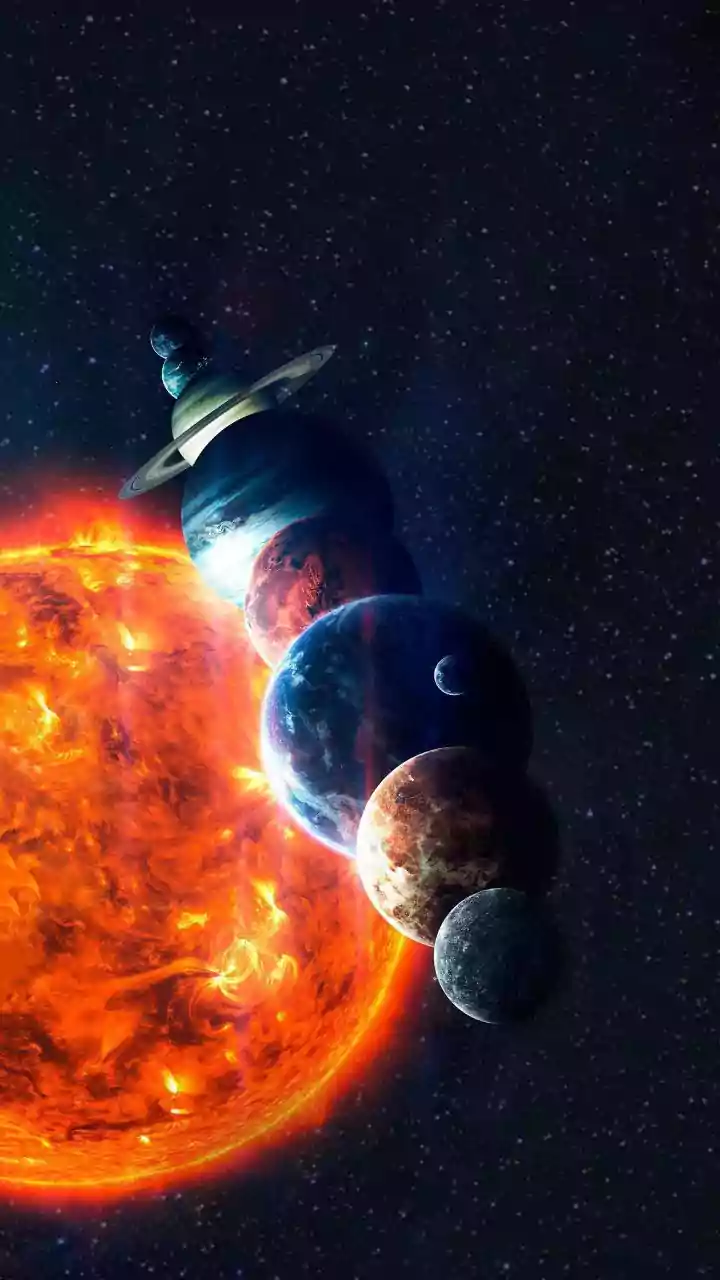
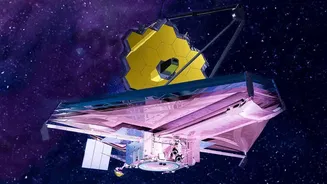
of a third, and one of such significant mass, has sent a ripple of excitement through the scientific community. To put its size in perspective, Jupiter is so large that all other planets in our solar system could fit inside it. This new world is double that mass, making it one of the most massive exoplanets ever directly studied. Its discovery showcases the incredible power of the JWST to spot celestial bodies that were previously hidden from view.
How Webb's Powerful Eye Found It
Finding exoplanets is a monumental task. Most are discovered indirectly, often by detecting the slight dimming of a star as a planet passes in front of it (the transit method). While the other two planets in the Beta Pictoris system were directly imaged, this new giant was found using a different, powerful technique. The JWST's spectrographs can analyze the light from a star system and detect the unique chemical fingerprints of a planet's atmosphere. By capturing and spreading out the infrared light, Webb can identify the molecules present, essentially revealing the planet's existence through its atmospheric composition. This method is a game-changer, allowing scientists to find and characterize planets that might otherwise remain unseen, and it's a capability that is largely impossible to achieve with ground-based telescopes.
A Planet That Bends the Rules
The existence of Beta Pictoris d poses a fascinating puzzle for astrophysicists. According to the leading theory of giant planet formation, known as core accretion, a planet begins as a rocky core that grows large enough to gravitationally attract a massive envelope of gas from the surrounding protoplanetary disk. However, creating a planet twice the mass of Jupiter pushes the limits of this model. It's difficult for current theories to explain how so much material could accumulate to form such a super-massive world, especially in a system that already contains two other gas giants. This discovery forces scientists to reconsider the upper limits of planet size and potentially explore alternative formation models, such as gravitational instability, where a section of the gas disk collapses directly to form a planet.
What Comes Next for this Cosmic Giant?
The discovery is just the beginning. Now that astronomers know Beta Pictoris d is there, the real work of characterizing it begins. The James Webb Space Telescope will likely turn its powerful gaze back to the system for more detailed observations. Scientists will want to analyze its atmosphere with even greater precision to understand its composition, temperature, and cloud structures. These follow-up studies could provide crucial clues about its formation history. Was it formed where it is now, or did it migrate from a different part of the system? Every new piece of data will help refine our models of how planetary systems, including our own, come to be. This single, massive world serves as a natural laboratory for testing our most fundamental ideas about the cosmos.