
An Ode to the Imperfectly Perfect Potato
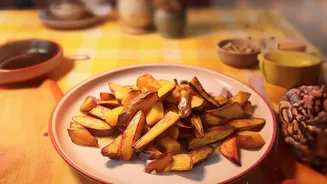
There is a certain magic to a potato cooked with honest intention. Not the intention to be low-carb, low-fat, or a substitute for something supposedly 'better,' but the intention to be utterly and completely delicious. The goal is that glorious textural
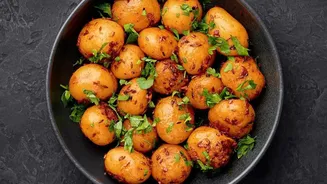
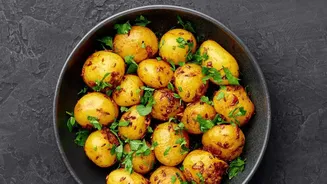
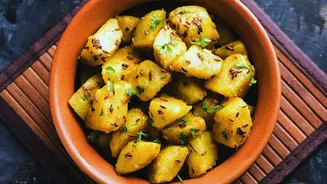
contrast: a crunchy, savoury crust that yields to a steaming, tender interior. This isn't about chasing a health halo; it's about celebrating a humble tuber in its most glorious form. It’s a dish that evokes comfort, generosity, and the kind of satisfaction that can’t be measured in calories. It’s about flavour, texture, and the simple pleasure of eating well, without apology.
It All Begins with the Right Spud
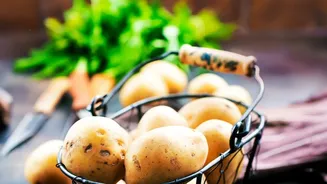
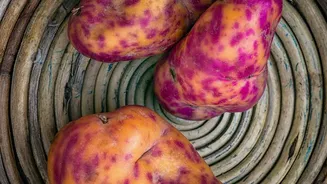
Your journey to crispy-fluffy nirvana starts with potato selection. While any roasted potato is a good potato, some are better suited for this specific mission. You’re looking for a floury, starchy variety. High starch content is what gives you that light, fluffy interior. Varieties like Russet potatoes are an excellent choice, known for their low moisture and high starch which makes them ideal. Yukon Golds are a fantastic all-purpose option, striking a beautiful balance between starchy and waxy, resulting in a creamy interior while still holding their shape. These potatoes have the right composition to become soft inside while their surfaces break down just enough to create a craggy, crisp-able exterior.
The Non-Negotiable Parboil
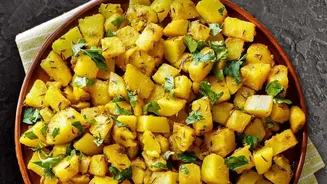
If you want to guarantee success, you must not skip this step: parboiling. Boiling the potato chunks in salted water for 7-10 minutes before they see the inside of an oven is crucial. This process does two things. First, it ensures the inside of the potato is perfectly cooked and tender by the time the outside is golden. No more disappointing, hard centres. Second, and just as important, it helps to break down the exterior of the potato. Some chefs even add a pinch of baking soda to the water to help break down the potato's pectin, creating a starchy slurry on the surface that crisps up beautifully in the oven.
Rough Them Up a Little
Once your potatoes are fork-tender, drain them well and give them a moment to steam dry. Now for the fun part: shake the colander or pot aggressively. This is not the time for gentle handling. You want to rough up the edges of the potatoes, creating a multitude of nooks and crannies. These roughed-up surfaces are what will catch the fat and heat in the oven, transforming into an incredibly crisp, golden-brown crust. That pasty, starchy layer you create is the secret to maximum crunch. Don't be afraid if they look a little battered; that's exactly what you're aiming for.
Embrace Generous Fat and High Heat
This is no place for a light spritz of cooking spray. For truly great roasted potatoes, fat is flavour and the vehicle for crispiness. Toss your roughed-up potatoes generously in your fat of choice—good quality olive oil, melted ghee, or even duck or goose fat for a truly luxurious result. Make sure every surface is coated. Spread them in a single layer on a preheated baking sheet. Do not crowd the pan. Giving the potatoes space allows the hot air to circulate, roasting them to a crisp rather than steaming them. A hot oven is also essential; a temperature of around 425°F (220°C) provides the intense heat needed to set the crust quickly and achieve that perfect golden colour.
A Final Flourish of Herbs
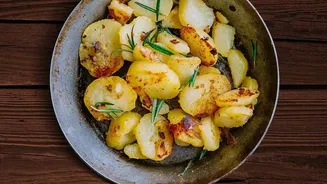
Herbs complete the masterpiece. The key is knowing when to add them. Hardy, woody herbs like rosemary and thyme can be added along with the fat before roasting, as they can withstand the high heat and will infuse the oil with their flavour. More delicate fresh herbs, however, like parsley, chives, or dill, should be tossed with the potatoes right after they come out of the oven. Their fresh, vibrant flavour is the perfect counterpoint to the rich, savoury potatoes. A final sprinkle of flaky sea salt before serving enhances both the flavour and the crunch, making every bite an experience.