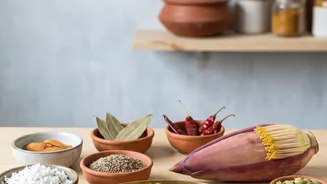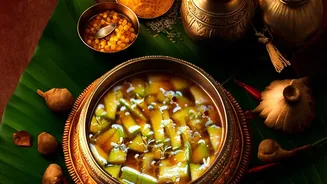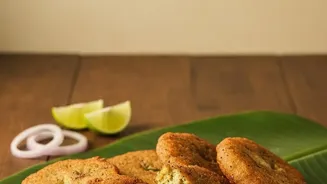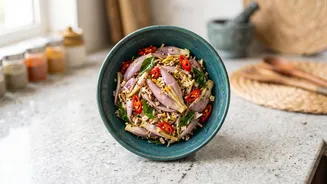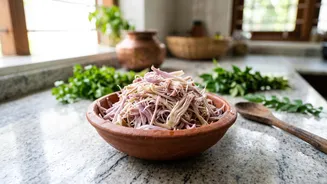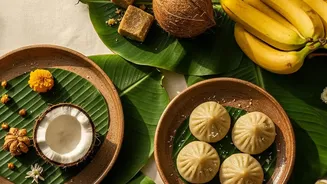



Often overlooked, the banana flower is a culinary gem waiting to be discovered. This teardrop-shaped blossom transforms into an incredibly delicious, crispy fritter that offers a delightful crunch and a complex, savoury flavour unlike any other.
The Star Ingredient: Banana Flower
Before
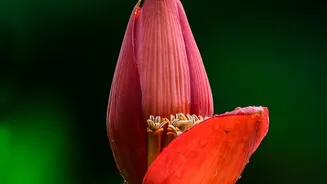
it becomes a bunch of bananas, the tree produces a large, purplish, teardrop-shaped flower, also known as a banana blossom or 'vazhaipoo' in Tamil. Widely used in South and Southeast Asian cuisine, this edible flower is a treasure trove of flavour and nutrition. While it might look intimidating, preparing it is a rewarding process. Its taste is subtly astringent, with a texture that becomes tender and almost 'meaty' when cooked, making it an excellent base for fritters, curries, and stir-fries. Many shy away from using it because the preparation can seem labour-intensive, but the resulting dish is well worth the effort.
How to Prepare the Blossom
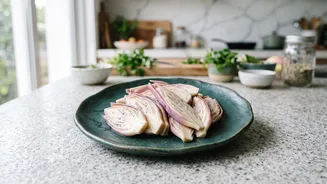
Cleaning a banana flower is the most crucial step. As you peel back the tough, outer purple leaves (called bracts), you’ll find rows of small florets. Each tiny floret contains two inedible parts that must be removed: a single, stiff pistil (a slender stalk with a sticky top) and a small, translucent, scale-like petal at its base. These parts can be bitter and tough, so discarding them is essential. As you work your way to the core, the florets become more tender, and you may not need to clean them. The heart of the flower can be chopped and used as well. Since the flower oxidizes and turns brown quickly upon exposure to air, it's vital to immediately submerge the cleaned florets and chopped parts in a bowl of acidic water—either water mixed with lime juice, thin buttermilk, or a little vinegar.
The Perfect Fritter Batter
The magic of these fritters lies in the batter that encases the prepared banana flower. The base is typically made from chana dal (split chickpeas) soaked for a few hours and then coarsely ground. This provides a wonderful, nutty texture. Chickpea flour (besan) is another common base. To this, a small amount of rice flour is often added for extra crispiness. The flavour comes from a vibrant mix of Indian spices. Finely chopped onions, green chillies, fresh curry leaves, and coriander leaves are essentials. A freshly ground paste of fennel seeds, garlic, ginger, and dried red chillies infuses the batter with warmth and aroma, while a pinch of asafoetida (hing) adds a classic savoury note and aids digestion.
Crafting the Crispy Delight
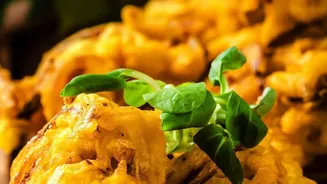
Once the chopped banana flower is mixed into the spiced lentil or flour batter, the mixture is ready for frying. Small portions of the thick, coarse batter are taken and flattened into rustic patties, or 'vadais'. These are then carefully slipped into hot oil. The key is to deep-fry them on a medium flame, allowing the inside to cook through while the outside develops a deep golden-brown colour and an irresistible crunch. Frying them in batches ensures the oil temperature remains stable, resulting in perfectly cooked, non-greasy fritters every time. Once fried, they are drained on paper towels to remove any excess oil.
A Nutritional Powerhouse
Beyond their delicious taste, these fritters are packed with health benefits, thanks to the banana flower. The blossom is rich in dietary fibre, which aids digestion, and is loaded with essential minerals like potassium, calcium, iron, and magnesium. It is also a good source of protein and antioxidants like quercetin and catechin, which help fight free radicals in the body. In traditional medicine, the banana flower has been used to manage menstrual issues and control blood sugar levels.