





A Vision After Dark
Imagine observing the mysterious world of nocturnal animals not in cages, but in sprawling, naturalistic habitats under a simulated moonlit sky. This is the vision for the Kukrail Night Safari, an ambitious project set within the city's Kukrail Reserve
Forest. Inspired by Singapore's world-renowned night zoo, the initiative aims to provide a unique window into the lives of creatures that are most active after sunset. Visitors will board quiet electric trams for a guided 40-minute tour through specially designed zones, offering an immersive and non-disruptive way to see wildlife. After years of planning, the project recently received a crucial green light from the Supreme Court, clearing a major hurdle for its development.
What to Expect at Kukrail
The project is far more than just a safari. It's a comprehensive wildlife and eco-tourism destination being developed on over 855 acres. Plans include a modern day zoo, conservation breeding facilities, educational interpretation centres, nature trails, and even a 7D theatre. The night safari itself will be meticulously designed with 42 enclosures housing 54 different nocturnal and crepuscular (active at twilight) species. The entire facility aims to be a hub for conservation, research, and public awareness, building on Kukrail's existing legacy as a vital conservation site, particularly for its long-running gharial breeding centre. The goal is to combine tourism with a strong message of wildlife protection.
The Stars of the Show
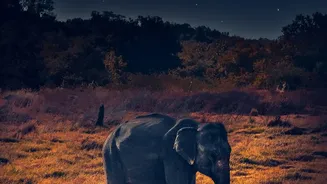
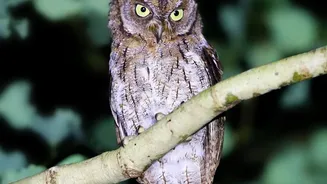
While a conventional zoo puts diurnal (day-active) animals on display, the Kukrail Night Safari will shine a spotlight on the often-unseen world of nocturnal wildlife. Carnivores like big cats, which are naturally more active at night, will be a major attraction. The use of a specialised, dim lighting system designed to mimic moonlight will allow visitors to observe these animals' natural behaviours without causing them stress or discomfort. The broader Kukrail forest area is already a biodiversity hotspot, home to various species of reptiles, amphibians, and birds. This rich existing ecosystem provides a perfect backdrop for a project that aims to showcase the wonders of nature after dark.
Lucknow's New Tourism Frontier
For Lucknow, the night safari represents a significant move to diversify its tourism appeal. While the city is a powerhouse of cultural and heritage tourism, the safari will position it as a leading destination for wildlife and eco-tourism in India. The project is expected to attract both domestic and international visitors, creating employment and boosting the local economy. It signals a new chapter for Uttar Pradesh tourism, moving beyond its traditional circuits of Agra, Varanasi, and Ayodhya. For travelers, it means that a trip to the City of Nawabs might soon include not just kebabs and chikankari, but also the thrill of a nocturnal jungle adventure.
When Can You Visit?
While the excitement is building, patience is key. The Supreme Court's approval, granted in mid-July 2026, was a landmark step, but the project is still under development. Officials estimate that the construction of the night safari phase will take at least two years to complete before it can open to the public. The court has mandated strict environmental compliance and periodic inspections to ensure the delicate ecosystem of the Kukrail forest is protected. So, while you can't book your tickets just yet, the dream of a world-class night safari in Lucknow is now closer to reality than ever before.