


The idea of hiking can seem intense, filled with images of steep climbs and heavy packs. But what if the goal wasn't speed or distance, but simply connection? It's time to explore the joy of enjoying nature at a comfortable, personal pace.
Embracing the Art of Slow Hiking
Slow hiking
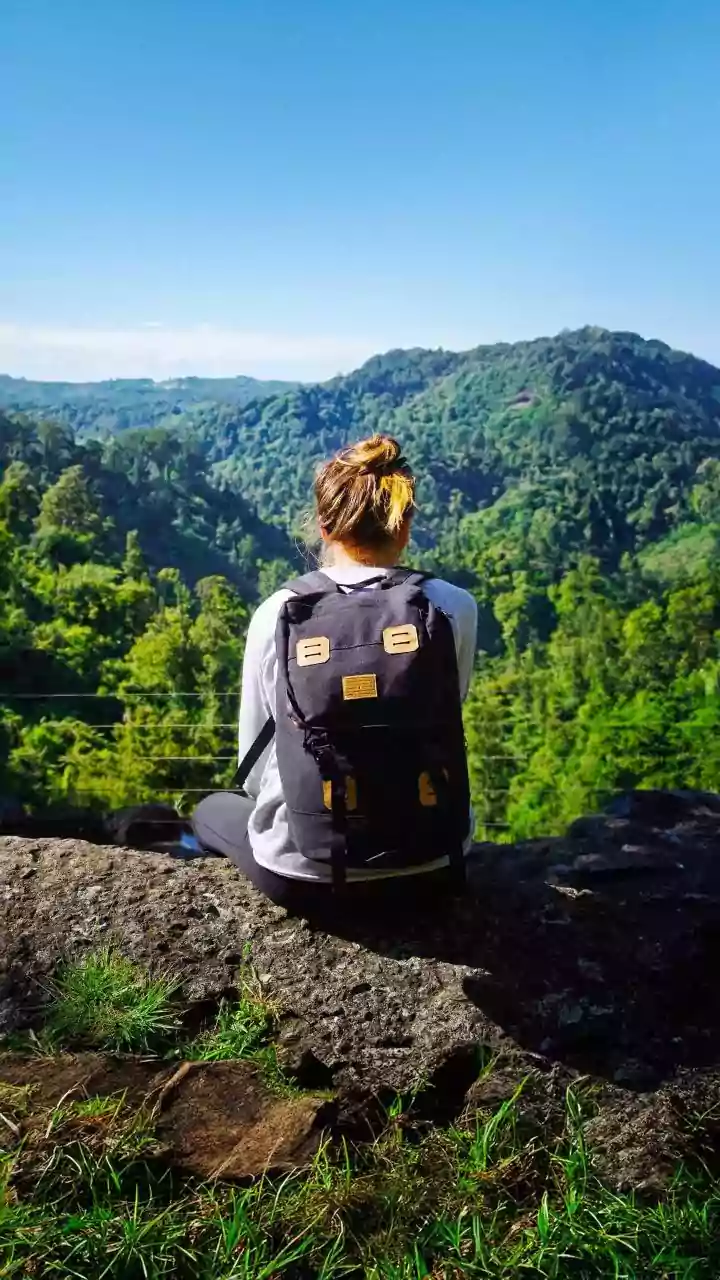
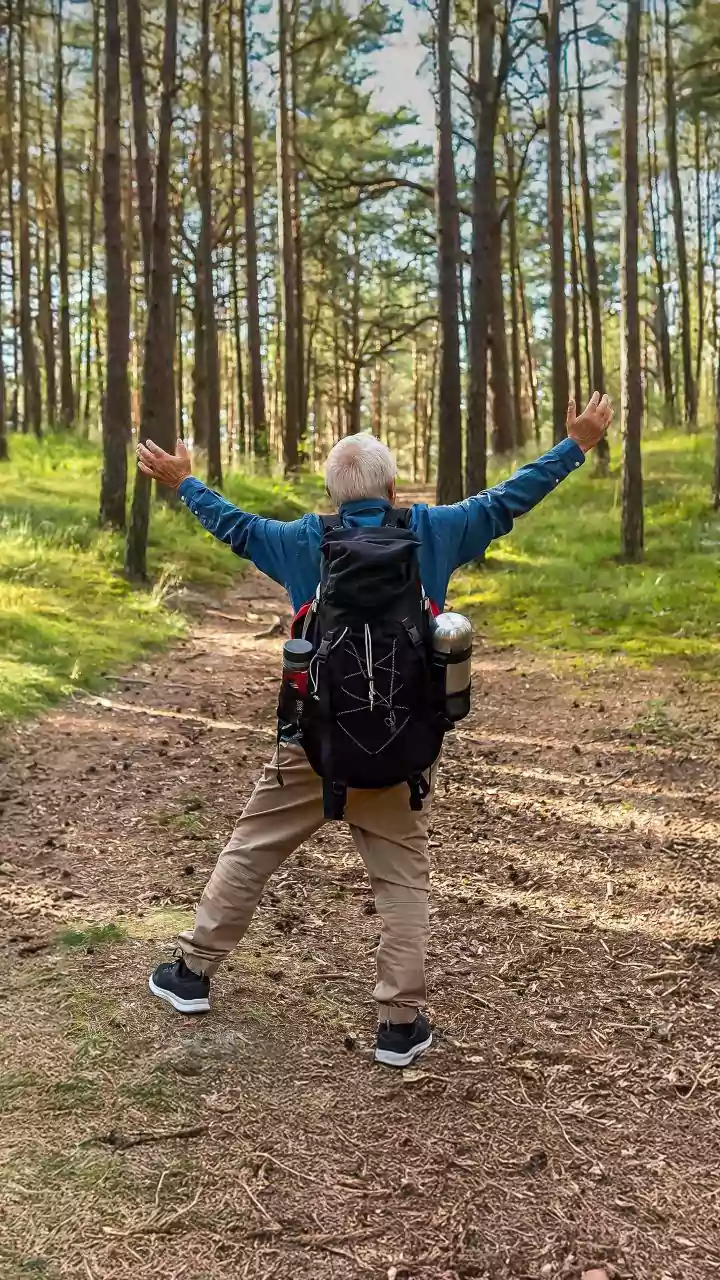
is less about performance and more about presence. It’s an approach that values the journey over the destination, inviting you to trade the pressure of a fast pace for the pleasure of awareness. Instead of treating a trail as a task to be completed, this mindful practice encourages you to experience it with all your senses. You might stop to observe the way sunlight filters through the canopy, listen for birdsong, or simply walk at a rhythm that allows you to breathe comfortably and think clearly. It reframes hiking from a competitive sport into a restorative act, making the outdoors accessible to everyone, regardless of their fitness level. The core idea is to remove unnecessary urgency, allowing for a deeper, more personal connection with the natural world.
The Science of a Slower Stroll
Walking slowly in nature, often compared to the Japanese practice of 'Shinrin-yoku' or 'forest bathing', is backed by significant health benefits. Research shows that immersing yourself in a forest environment can lead to a notable reduction in stress hormones like cortisol. This, in turn, can help lower blood pressure and heart rate. Studies have also linked time in nature to a boosted immune system, thanks to organic compounds called phytoncides released by trees. Mentally, the benefits are just as compelling. Mindful hiking can improve your mood, reduce feelings of anxiety and fatigue, and enhance cognitive functions like focus and memory. It’s not just about the physical act of walking; it’s about giving your mind the space to quiet down and recharge.
Gearing Up for Comfort, Not Speed
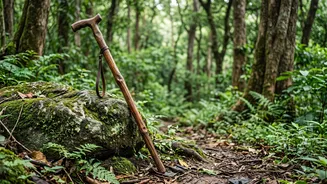
You don’t need expensive, high-performance gear to enjoy a comfortable hike. The focus should be on practical essentials. The single most important item is a pair of sturdy, comfortable walking shoes with good grip. Beyond that, dress in layers. Opt for breathable fabrics over cotton, which retains moisture. A lightweight, waterproof jacket is always a good idea in case the weather turns. For a day hike, a small backpack of 15-20 litres is sufficient to carry your necessities: at least one to two litres of water, some snacks, sunscreen, a basic first-aid kit, and your phone. Trekking poles can be a great addition, as they help with balance and reduce strain on the knees, but they aren't essential for easier trails.
Finding Your Path in India
India's diverse geography offers countless opportunities for gentle hiking. You don’t need to head for the high Himalayas to find a beautiful trail. Many national parks and wildlife sanctuaries have well-marked walking paths perfect for beginners. The Western Ghats in states like Kerala, Karnataka, and Maharashtra offer lush scenery, with trails like the Chembra Peak trek in Wayanad or the gentle paths around Matheran. In the north, areas around Mussoorie and McLeod Ganj have accessible routes like the Nag Tibba and Triund treks, which can be done at a leisurely pace. Meghalaya's David Scott Trail provides a beautiful walk through valleys and across rivers. Even city parks and reserved forests on the outskirts of metropolitan areas can provide a much needed dose of green space for a short, restorative walk.
To get the most out of your slow hike, try incorporating a few simple mindfulness techniques. Start by focusing on your breath, matching its rhythm to your steps. This simple act can anchor you in the present moment. Periodically, pause and consciously engage your senses. What can you see? Notice the different shades of green, the texture of bark, or the shape of a cloud. What can you hear? Listen for the rustle of leaves, the flow of a stream, or distant sounds. What can you smell? The scent of damp earth after rain or the fragrance of pine needles. Try to put your phone away to minimise distractions. The goal is not to have an empty mind, but to gently guide your focus away from daily worries and toward the immediate, calming environment around you.