







The Legend of the 12-Year Flower
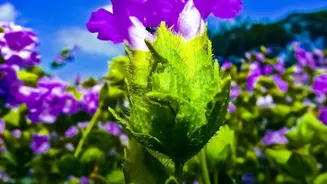
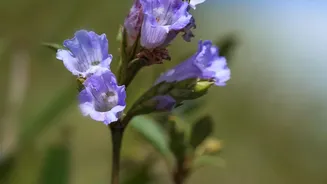
For those unfamiliar with this natural marvel, Neelakurinji (Strobilanthes kunthiana) is a shrub that grows in the shola grasslands of the Western Ghats. Its claim to fame is a rare, synchronized blooming cycle that occurs only once every 12 years. When
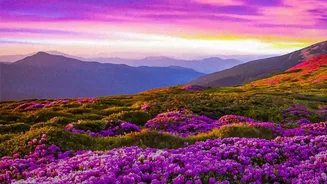
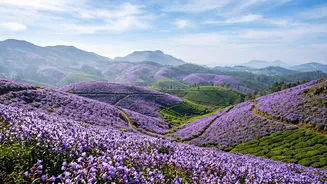
it happens, entire hillsides are blanketed in its signature purplish-blue flowers, creating a breathtaking spectacle. The phenomenon is so significant that the Nilgiri Mountains, meaning 'Blue Mountains', are said to have been named after this very bloom. Historically, the local Paliyan tribe even used the 12-year cycle to calculate their age. After flowering, the plants die, leaving behind seeds that will patiently wait another 12 years to repeat the cycle.
The 2026 Bloom: What's Really Happening?
If you follow news about the bloom, you might be confused. Wasn't the last major bloom in 2018, with the next one widely anticipated in 2030? Yes, that's correct for the famous population within Eravikulam National Park. However, what recent reporting establishes is that different populations of Neelakurinji in the wider Munnar region operate on different 12-year clocks. The bloom currently captivating visitors in September 2026 belongs to a different group of plants. This specific population, located in areas like the Mattupetty-Kannimala region, last bloomed in 2014, making 2026 its scheduled year to flower. So, this is not an early arrival of the 2030 event, but a separate, equally genuine Neelakurinji bloom.
Where to Witness the Spectacle Right Now
According to the latest updates, the flowering is concentrated in specific areas. The hillsides of Chokramudi and the Mattupetty-Korandakkad range are the primary locations where the bloom is most vibrant. These areas have seen slopes transform into a stunning floral carpet, attracting thousands of tourists daily. Officials opened visitor access to Chokramudi around August 24, and since then, the flowering has intensified through September. To manage the influx, the Forest Department has established designated viewing areas. For Korandakkad, entry tickets are priced at ₹250 for adults, while access to Chokramudi is managed by the forest department with separate ticketing. Given the crowds, authorities have also arranged special KSRTC bus services to help visitors reach the sites.
A Fragile Treasure: How to Visit Responsibly
The surge in tourism brings with it a critical responsibility. Neelakurinji is a protected species under Schedule 3 of the Wildlife Protection Act of 1972, and harming the plants is a serious offence. Authorities are taking a firm stance against anyone plucking the flowers or damaging the fragile shola ecosystem. There have already been reports of legal action taken against individuals, including social media influencers, for posing with plucked flowers. Visitors are urged to stay on marked trails, refrain from touching the plants, and carry out all litter. The bloom is expected to last through September, though its intensity depends on weather conditions like rain and sun. By being mindful and respectful, everyone can ensure this rare wonder is preserved for future generations to witness.