






Putting the Numbers in Context
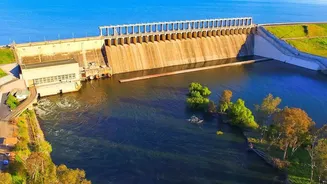
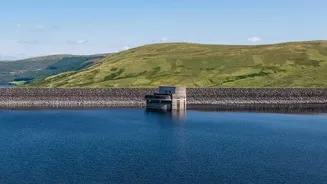
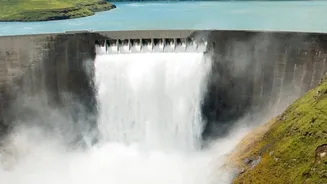
Data from the Central Water Commission (CWC) at the end of the monsoon season reveals a worrying trend. The current storage of 132.734 billion cubic metres (BCM) is significantly lower than the 166.856 BCM recorded at the same time last year. More importantly,
it is also below the ten-year average of 151.118 BCM, indicating that this is not just a minor fluctuation but a notable deficit. This shortfall means India is entering the dry winter months and the critical Rabi cropping season with a much smaller water buffer than is considered normal or safe.
A Monsoon of Extremes
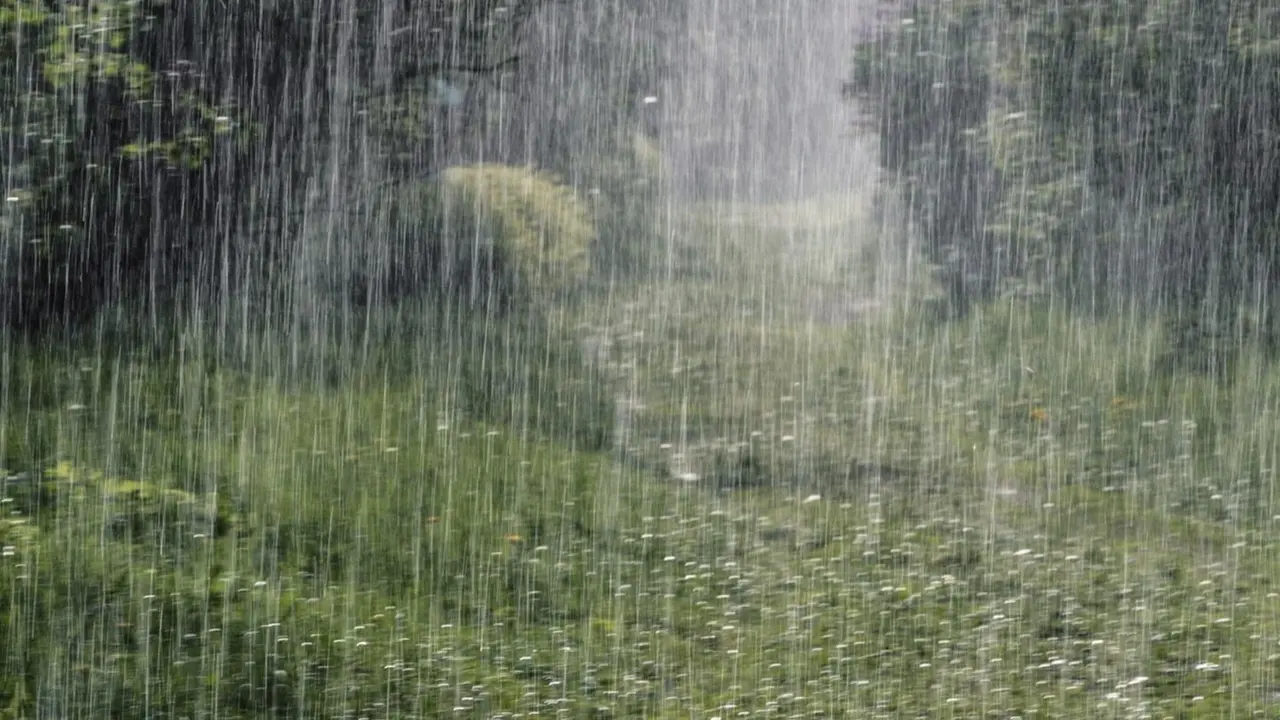
The primary culprit behind the low reservoir levels is the performance of the 2026 Southwest Monsoon. The season concluded with a nationwide rainfall deficit of 12.6%, the worst since 2015. However, the national average hides severe regional imbalances. The southern peninsula was hit hardest with a 24% rainfall deficit, while East and Northeast India saw a 26% shortfall, receiving its lowest seasonal rainfall since 1901. This erratic and deficient rainfall, influenced by a strengthening El Niño, failed to adequately replenish the vast network of dams that are the lifeline for a majority of India’s agriculture and population.
The Southern Region's Crisis
The impact of the weak monsoon is most acute in the southern states of Andhra Pradesh, Telangana, Karnataka, Kerala, and Tamil Nadu. Reservoirs in this region are collectively holding just 50% of their total capacity, a dramatic fall from 87% at the same time last year. The situation is so severe that Karnataka has reportedly been forced to halt the release of water for agricultural irrigation to conserve the remaining supply for drinking water. This has intensified long-standing water disputes, particularly in the Cauvery basin, as states grapple with how to share a shrinking resource.
Trouble for the Rabi Season
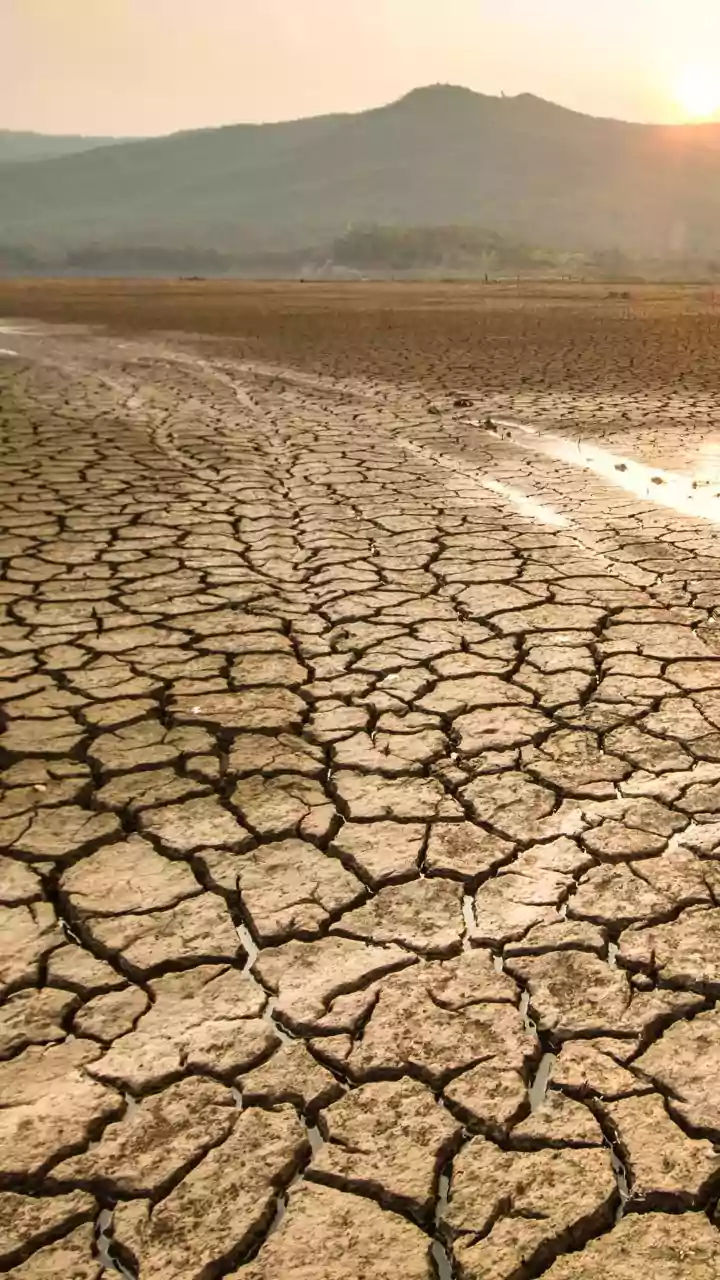
The timing of this water shortage is critical. Farmers are now preparing for the Rabi (winter) crop season, which heavily relies on irrigation from reservoirs. With depleted storage, the prospects for water-intensive crops like wheat and rice are under threat. The government has already lowered its foodgrain production target for 2026-27 and is advising states to prepare “water budgets” and encourage farmers to shift to less water-guzzling crops like pulses and oilseeds. States like Maharashtra and Karnataka have declared drought in a majority of their administrative blocks, signaling widespread agricultural distress.
Beyond the Farm
The consequences of low reservoir levels extend far beyond agriculture. They threaten drinking water supplies for major cities, which often depend on these same dams. Furthermore, with about a fifth of India's electricity coming from hydropower, reduced water levels mean lower power generation, potentially straining energy grids. This synchronised shock to India’s food, water, and power systems highlights the far-reaching impact of a single poor monsoon, creating a cascade of challenges that will be felt across the economy. Rating agency ICRA has already revised its agricultural growth forecast downward for the fiscal year, citing the weak monsoon and its effect on rural demand and food inflation.