






A City Hostile to Walkers
Navigating Bengaluru on foot is an exercise in agility and courage. Pedestrians are routinely forced onto busy, chaotic roads by footpaths that are broken, non-existent, or completely obstructed. The culprits are many: illegally parked vehicles, shop
extensions, heaps of garbage, construction debris, and poorly placed utility boxes. The consequences are dire. For years, Bengaluru has recorded one of the highest numbers of pedestrian fatalities among India's mega-cities. In 2025, walkers accounted for nearly 28% of all road deaths in the city, a statistic that lays bare the systemic failure to provide safe passage for its most vulnerable road users. This daily struggle has long been a source of public frustration, but previous cleanup drives often fizzled out, with encroachments returning almost as quickly as they were removed.
The Courts Mandate a Change
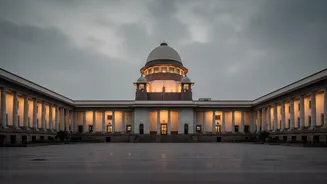
The game-changer arrived in June 2026, when the Supreme Court of India delivered a landmark judgment. It declared that the right to a safe, walkable footpath is a Fundamental Right, protected under Article 21 (Right to Life) and Article 19(1)(d) (Right to Move Freely) of the Constitution. This ruling established that civic bodies have a constitutional duty to provide and maintain clear footpaths. Armed with this powerful mandate, the Karnataka High Court has been translating the principle into direct action. In a series of recent orders, the High Court has directed the Bruhat Bengaluru Mahanagara Palike (BBMP) to clear specific stretches, holding the civic body accountable for compliance. In one notable case in early August 2026, the court ordered the demolition of over 230 shops illegally occupying the pavement near KR Market after finding their documents were forged. This judicial one-two punch—a broad constitutional right established by the Supreme Court followed by targeted enforcement orders from the High Court—provides the legal backbone for the current city-wide efforts.
The 'Safe Footpaths' Campaign in Action
Spurred by these judicial directives, the Greater Bengaluru Authority (GBA) launched its 'Safe Footpaths Campaign' on July 1, 2026. Led by Bengaluru Development Minister Krishna Byre Gowda, the initiative is more than just a cosmetic exercise. It is backed by a ₹70 crore budget to repair around 2,000 kilometres of footpaths across the city. The initial goal is to clear 1,500 kilometres of encroachments. After giving violators a grace period to clear out voluntarily, authorities began a massive drive to tow vehicles, remove illegal stalls, and dismantle obstructions. The results have been swift. In just one month, the GBA reported that it had reclaimed over 770 kilometres of footpaths—more than half its target. From major commercial hubs to residential areas, the message is clear: footpaths are for people, and the law now firmly stands with pedestrians.
Will This Change Be Permanent?
While the current momentum is promising, Bengaluru has seen similar drives before, only for the problems to creep back. The key challenge is sustainability. Civic activists point out that a comprehensive 'Active Mobility Bill,' which would give legal protection and dedicated funding to pedestrian and cycling infrastructure, has been awaiting government approval since 2021. Furthermore, there are allegations that the campaign sometimes targets small street vendors while ignoring encroachments by larger, more established businesses. The success of this new pedestrian push will depend on consistent, impartial enforcement and a permanent shift in policy. The recent court rulings provide a powerful tool to ensure this happens, giving citizens and authorities a legal basis to demand and maintain clear walkways long after the initial campaign ends.