


The Calcium Crown: Ragi's Clear Advantage
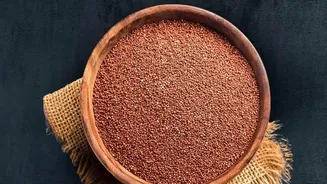
When it comes to bone health, ragi, or finger millet, is the undisputed champion. Per 100 grams, ragi contains approximately 344-364 mg of calcium, making it one of the richest plant-based sources of this vital mineral. In stark contrast, quinoa offers
around 47-198 mg of calcium per 100g. For Indian diets, where calcium intake can often be a concern, ragi provides a significant advantage. This makes it an excellent choice for growing children, ageing adults concerned about osteoporosis, and anyone looking to boost their calcium levels naturally without relying solely on dairy.
The Iron Showdown: A Complicated Contest
The iron comparison is more nuanced. On paper, some data suggests quinoa has a slight edge, with about 4.6 mg to 7.5 mg of iron per 100g, while ragi has around 3.9 mg to 4.6 mg. However, the story doesn't end there. The true value of a mineral lies in its bioavailability—how much your body can actually absorb. Ragi naturally contains compounds called phytates, which can hinder mineral absorption. The good news is that traditional preparation methods like sprouting, malting, or fermenting ragi can significantly reduce these anti-nutrients. Sprouting ragi not only slashes phytic acid but also increases vitamin C content, which further enhances iron absorption, making it a powerful tool against iron-deficiency anaemia.
Protein Power: Quinoa’s Claim to Fame
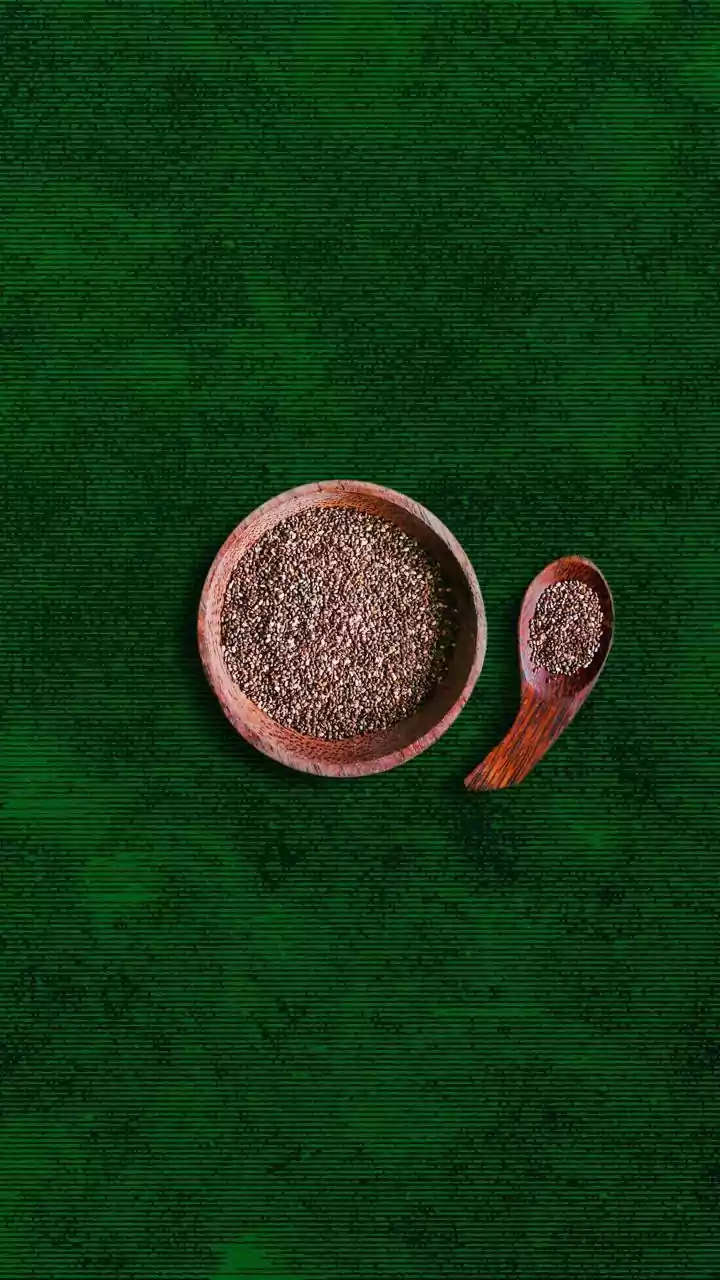
While the headline focuses on minerals, the protein difference is a major factor in this debate. Quinoa's global popularity stems from its status as a 'complete protein', meaning it contains all nine essential amino acids that our bodies cannot produce. Per 100g, quinoa provides about 13-14g of protein, which is nearly double the 7-8g found in ragi. Ragi is a good source of protein but is not complete on its own. However, this is easily remedied in a typical Indian meal by pairing ragi preparations like rotis or mudde with dal, lentils, or curd, which creates a complete protein profile.
Other Key Minerals: A Mixed Bag
Looking beyond iron and calcium, the two grains are competitive. Ragi generally offers more magnesium (around 146 mg vs 119 mg in quinoa), copper, and selenium. Magnesium is crucial for muscle function and a healthy nervous system. Quinoa, on the other hand, tends to be higher in potassium, zinc, and vital B vitamins like folate. Both grains are gluten-free and have a relatively low glycemic index, making them good choices for managing blood sugar levels.
The Practical Choice: Cost and Culinary Fit
For most Indian households, practical factors like cost and accessibility are crucial. Here, ragi has a clear advantage. As a locally grown, traditional millet, it is significantly more affordable and widely available than the imported quinoa. Quinoa can often be five to eight times more expensive. Furthermore, ragi is deeply integrated into regional Indian cuisine, from ragi mudde in Karnataka to porridge and dosas across the country. Its familiar taste and versatility make it an easy addition to daily meals without needing to learn new cooking methods.