






The Losing Battle of Reaction
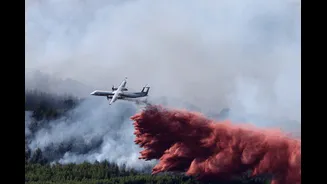
For decades, the primary strategy for tackling wildfires in Southern Europe has been one of suppression: reacting to fires with overwhelming force. This involves deploying thousands of firefighters and fleets of specialized aircraft to douse flames as they
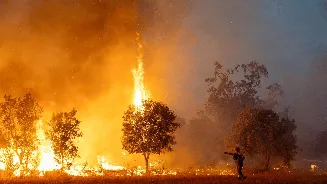
erupt. While heroic, this approach is becoming increasingly unsustainable. Climate change is making heatwaves longer and more intense, turning vast forests into tinderboxes. The 2026 fire season has already demonstrated the limits of this reactive model, with fires in France and Spain causing billions of euros in damages, destroying hundreds of thousands of hectares, and forcing mass evacuations. This cycle of emergency is not just economically devastating; it exhausts personnel and resources while failing to address the root cause of the escalating crisis.
A Strategic Shift to Prevention
Recognizing the shortcomings of a purely reactive stance, experts and policymakers are increasingly calling for a fundamental shift toward Integrated Fire Management (IFM). This is a holistic, year-round strategy that prioritizes prevention and preparedness over suppression alone. In March 2026, the European Commission launched a new strategy acknowledging that wildfires are a systemic EU risk requiring a proactive approach. The core idea is simple: it is far more effective and less costly to prevent large fires from starting or spreading than it is to extinguish them once they become uncontrollable. According to some estimates in Spain, one euro spent on prevention can save as much as 100 euros in firefighting and recovery costs. The goal is to transform landscapes and communities from being merely reactive victims to becoming resilient participants in fire management.
What Year-Round Prevention Looks Like
A 365-day prevention strategy involves a range of activities that take place during the cooler, wetter months. A key component is landscape management. This includes clearing undergrowth, thinning dense forests, and creating strategic firebreaks to slow a fire’s advance. It also involves promoting land uses that naturally reduce fuel load, such as reviving traditional grazing. Another critical tool is the use of prescribed or controlled burns. These are low-intensity, carefully managed fires set under specific weather conditions to clear out dead vegetation, which is the primary fuel for catastrophic wildfires. This mimics the natural fire cycles that many forest ecosystems are adapted to. Complementing these on-the-ground efforts are public awareness campaigns that educate communities on how to make their homes and properties more fire-resistant and what to do during an evacuation.
Overcoming the Hurdles
Despite the clear benefits, shifting from a reactive to a proactive model presents significant challenges. The most visible and politically popular response to a crisis is often the emergency one—rolling out the fire trucks and planes. Prevention is quieter, less dramatic, and requires sustained, long-term investment that may not yield immediately obvious results. There can also be public resistance to measures like controlled burns, which can be perceived as dangerous if not properly explained. Furthermore, it requires coordination across multiple levels of government, private landowners, and forestry services. However, the sheer scale of recent fires is forcing a change in mindset. The EU's new integrated strategy aims to support member states in making this transition by funding sustainable forest management and sharing best practices.