






What Exactly Is E20 Petrol?
E20 petrol is a blend of 80% petrol and 20% ethanol. Ethanol is a biofuel, typically produced from agricultural sources like sugarcane, maize, and surplus grains. This initiative is part of the government's Ethanol Blended Petrol (EBP) Programme, which
aims to achieve significant national goals. By increasing the ethanol content in fuel, India seeks to reduce its heavy reliance on imported crude oil, which currently meets over 85% of the country's needs. The transition is also promoted for its environmental benefits, as ethanol burns cleaner than conventional petrol, leading to lower carbon monoxide and hydrocarbon emissions. Furthermore, it creates an additional revenue stream for farmers, positioning them as key contributors to the nation's energy security.
The Government's Firm Stance on Safety
Amid concerns and social media chatter about potential engine damage, the government has been unequivocal in its support for E20. Union Ministers have repeatedly stated that E20 is a scientifically tested, verified, and safe fuel for vehicles. In official statements to Parliament, the Ministry of Petroleum and Natural Gas has clarified that the rollout followed extensive studies and consultations with bodies like the Automotive Research Association of India (ARAI) and the Society of Indian Automobile Manufacturers (SIAM). These studies, which included long-duration tests, reportedly found no evidence of widespread engine damage or abnormal wear, even in vehicles not originally certified for E20. Manufacturers have also affirmed that vehicle warranties remain valid for E20-compliant models using the specified fuel.
Addressing the All-Important Mileage Caveat
The most significant concern for the average consumer is the impact on fuel efficiency, or mileage. The government has acknowledged this, stating that some older vehicles, particularly those designed for E10 (10% ethanol) fuel, may experience a mileage reduction of around 3% to 5%. Officials point out that this is a trade-off for a fuel that offers other benefits, such as a higher octane rating, which helps prevent engine knocking and can lead to smoother performance and better acceleration. However, real-world experiences vary. Some independent tests and motorist reports suggest a higher drop in efficiency, sometimes ranging from 10% to 15%, depending on the vehicle model, its age, and driving conditions. This discrepancy between official figures and user experience remains a central point of the public debate.
Is Your Vehicle E20-Compliant?
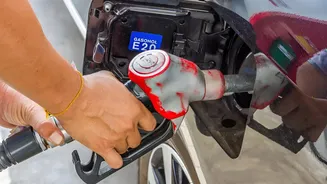
The good news is that most new vehicles are already built for E20. As a general rule, almost all cars and two-wheelers manufactured in India since April 2023 are fully E20-compliant, as they were built to meet the BS6 Phase 2 emission norms. Major manufacturers like Maruti Suzuki, Hyundai, Tata Motors, and Mahindra have confirmed their recent model lineups are E20-ready. For owners of older vehicles, determining compatibility is crucial. The easiest ways to check are by looking for an 'E20' sticker inside the fuel filler cap, consulting the vehicle's owner manual, or contacting an authorized service centre with your Vehicle Identification Number (VIN). Using E20 in a non-compliant older vehicle over a long period could potentially degrade certain rubber and plastic components in the fuel system, so verification is highly recommended.
The Big Picture: A National Goal vs. Individual Cost
The push for E20 is a long-term strategic decision for India. The government highlights that the programme has already saved the country lakhs of crores in foreign exchange, significantly reduced carbon emissions, and provided substantial payments to farmers. From a policy perspective, these benefits are seen as far outweighing the minor drop in mileage for consumers. The government has also made it clear there are no plans to revert to lower ethanol blends like E10 or pure petrol. For consumers, the transition means adapting to a new fuel standard that is here to stay. While it may mean slightly more frequent trips to the petrol pump, the fuel is endorsed as safe and effective for the vast majority of vehicles on Indian roads today.