



A Landmark Conference in Bengaluru
In April 2026, Bengaluru became a focal point for the global space community as it hosted the second International Conference on Spacecraft Mission Operations, or SMOPS-2026. Jointly organised by the Indian Space Research Organisation (ISRO), the Astronautical
Society of India (ASI), and the International Academy of Astronautics (IAA), the event brought together scientists, industry leaders, and policymakers. The theme was “Innovative Operations for Smart and Sustainable Space Mission Management,” signaling a collective shift in focus. No longer is space exploration just about launching rockets and satellites; it is about ensuring the long-term viability of our orbital environment. The discussions and ideas shared at SMOPS-2026 set the stage for ongoing global efforts to address the challenges of an increasingly congested cosmos.
The Invisible Traffic Jam Above Us
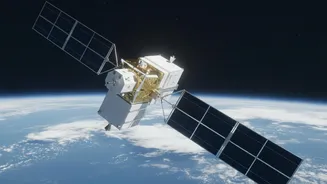
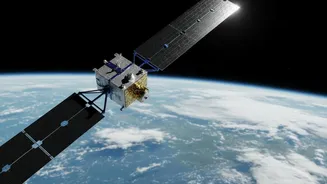
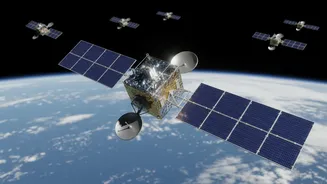
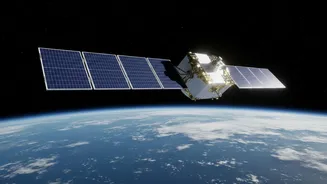
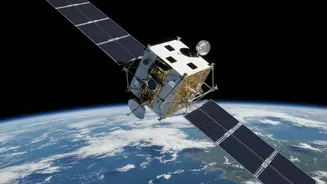
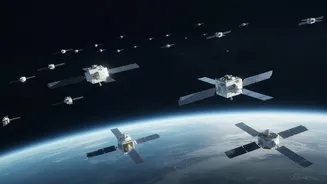
So, what exactly is Space Traffic Management (STM)? Think of it as air traffic control, but for the tens of thousands of objects orbiting Earth. STM is the set of technical and regulatory rules designed to ensure safe access to space, operations in orbit, and return to Earth, all without physical or radio-frequency interference. The need for it is urgent. The orbital environment is cluttered with over 36,000 tracked objects larger than 10 centimetres, part of a debris field weighing over 13,000 tonnes in total. This includes active satellites vital for communication and navigation, defunct satellites, spent rocket stages, and fragments from past collisions. Every new launch adds to this congestion, increasing the risk of catastrophic collisions that could generate even more debris and threaten operational satellites.
Renewed Urgency and Recent Actions
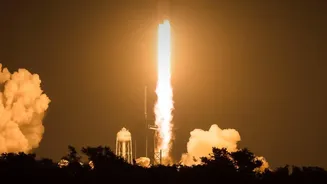
The conversations that dominated SMOPS-2026 have gained new urgency in recent months. A report from early August 2026 highlighted a sharp increase in hardware, such as large rocket parts, surviving re-entry and impacting the ground, prompting international bodies to reassess orbital disposal rules. This is the “latest move” on an agenda item central to the conference: sustainability. This isn't just about preventing collisions in space, but also about protecting people and property on Earth. These developments are fueling ongoing discussions at forums like the United Nations Committee on the Peaceful Uses of Outer Space (COPUOS), where nations are trying to establish clear guidelines and best practices for space operations. The goal is to move from a voluntary, 'wild west' environment to a globally coordinated system.
India’s Vision for a Sustainable Cosmos
India is not just a participant in these discussions; it is a key architect. ISRO, a co-organiser of SMOPS-2026, has been actively developing its own capabilities. In 2022, it operationalised the ISRO System for Safe and Sustainable Operations Management (IS4OM) to safeguard its space assets by monitoring for close approaches and performing collision avoidance manoeuvres. This proactive stance is embedded in the Indian Space Policy 2023. The policy aims to boost India's share of the global space economy by encouraging private sector participation, while also establishing a framework for safe and sustainable space operations. It designates IN-SPACe as the single-window agency to authorise and supervise all space activities, ensuring that new players adhere to safety norms. Furthermore, India has taken a leadership role on the world stage, chairing a UN working group on the long-term sustainability of space activities.
Global Cooperation is the Only Path
Ultimately, no single nation can solve the space traffic problem alone. The very nature of orbits means that debris created by one country can threaten the assets of another. This reality has spurred increased international cooperation. A significant recent step was the India-US Joint Space Situational Awareness Workshop held in June 2026, which focused on data sharing and coordination. This kind of collaboration is essential for building a comprehensive picture of the orbital environment. The data shared by entities like the U.S. Department of Defense, combined with India's growing tracking capabilities via IS4OM, forms the backbone of a potential global STM system. These partnerships, built on the foundations laid at conferences like SMOPS, are crucial for transforming principles of sustainability into concrete, coordinated action.